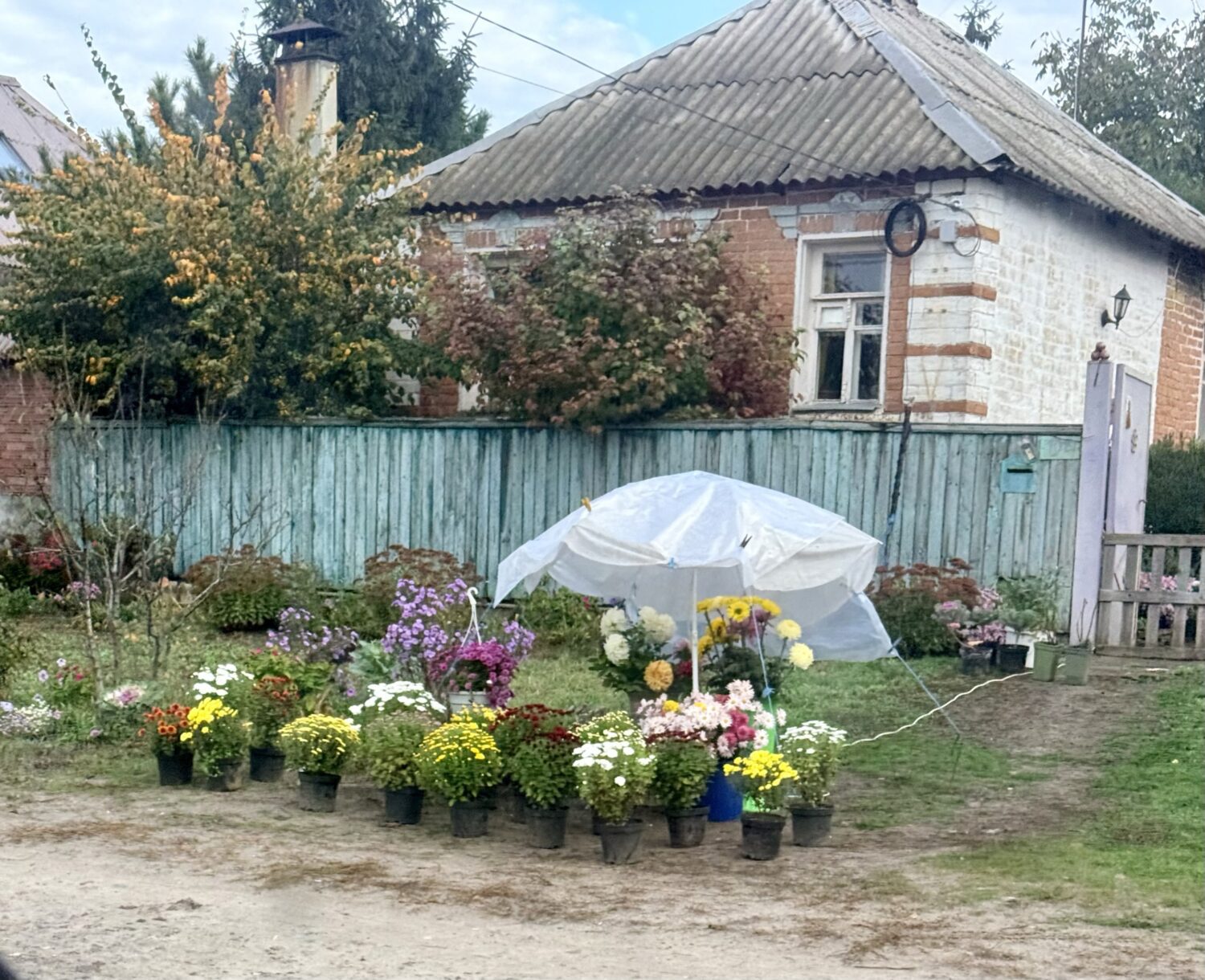
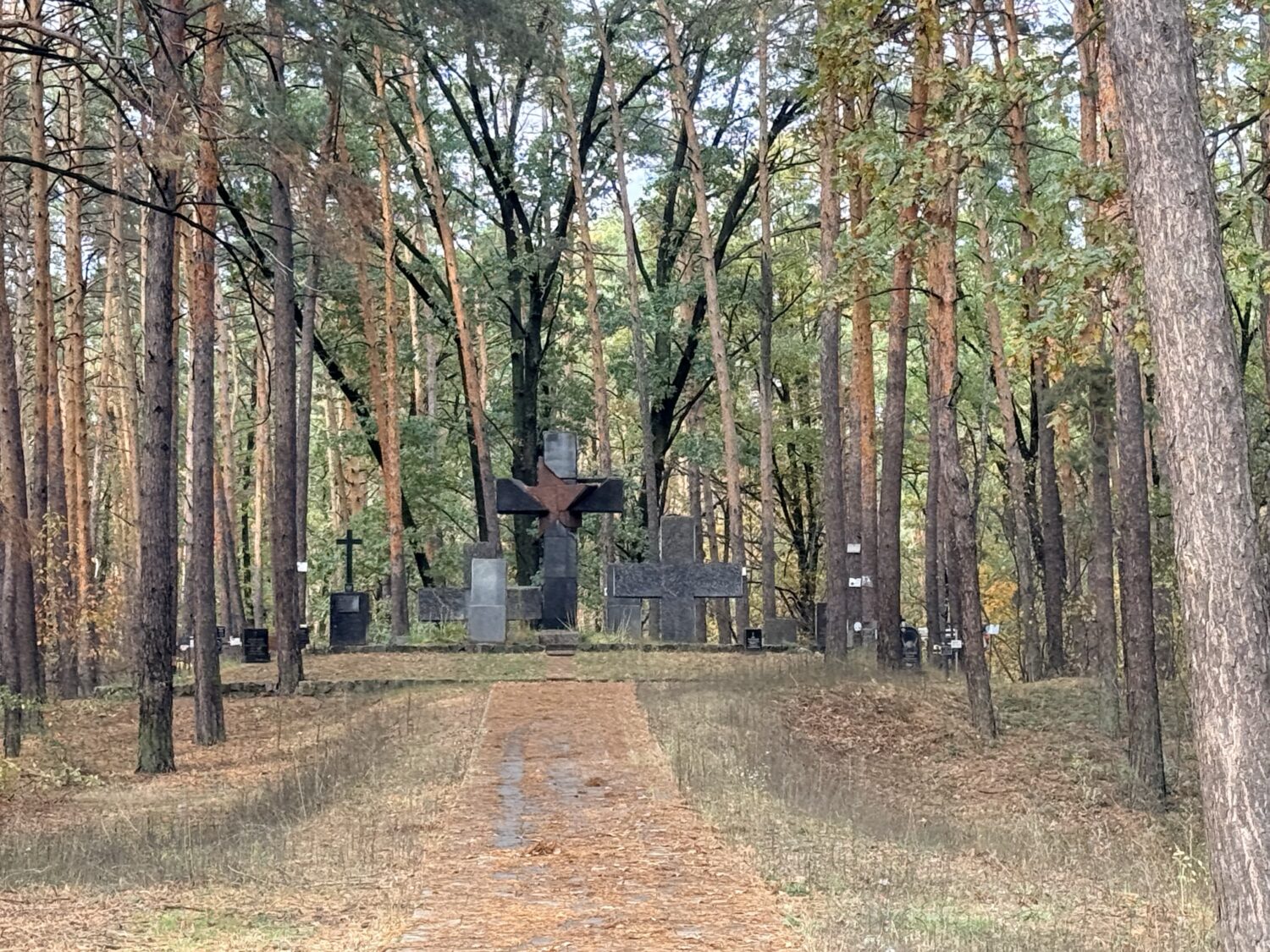
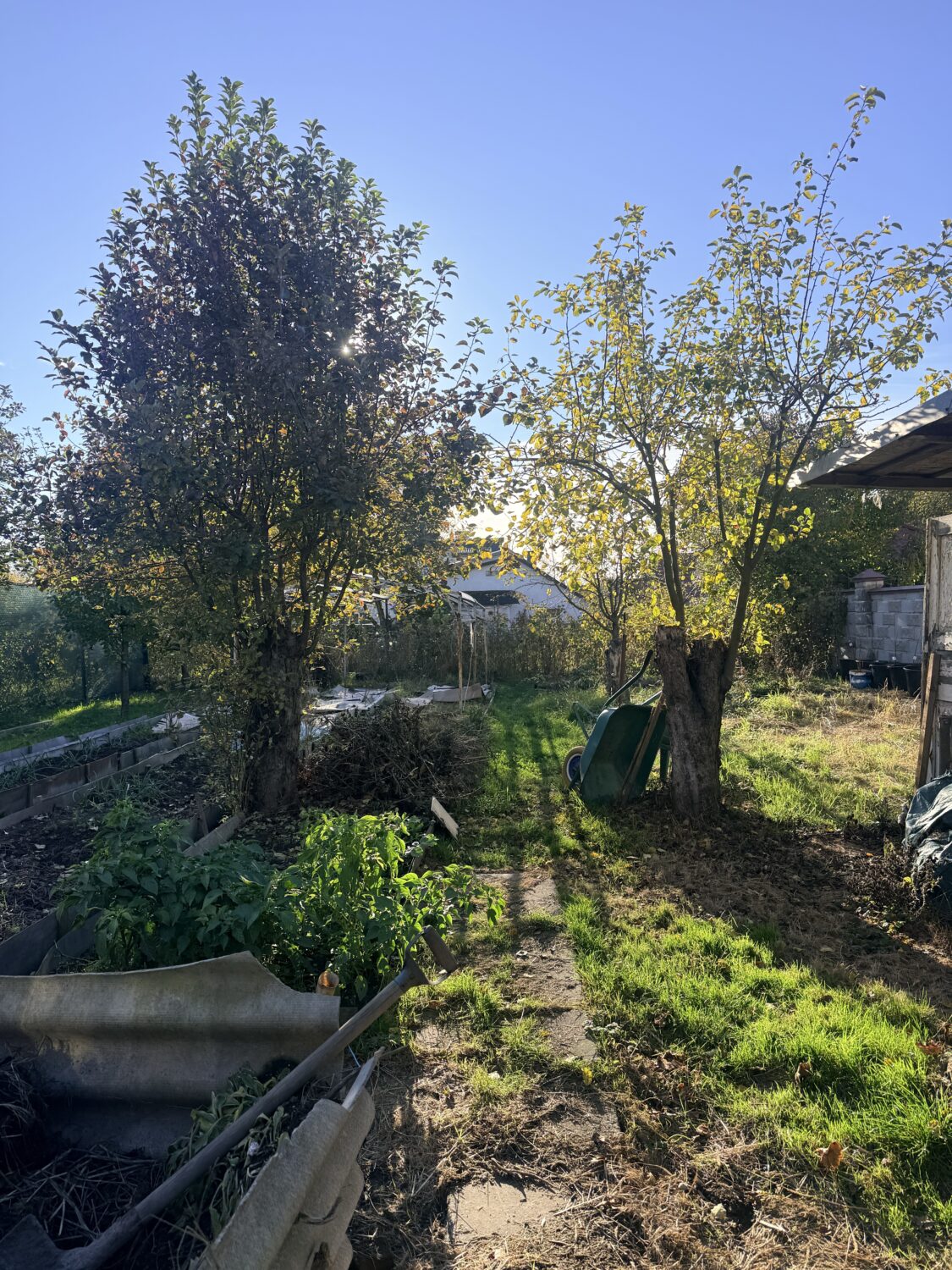
The week the news came through that Trump had done a ‘diesel deal’ with Putin, I went out into the garden and started digging. Planting fruit trees, as it happens. It was good for me — and not just as exercise.
It made me think of Halyna. We met her in a clinic some time ago, a woman who has lived through more than most of us will ever have to. “Putin bombs us,” she told me, “but I will plant trees.” [Link to Halyna’s story] There is something in that sentence I keep coming back to. A tree you plant today might not give you fruit for years. You plant it anyway, because you’ve decided there will be a future for someone to enjoy it in.
It also took me back to my early days in a traumatised Aboriginal community that everyone warned me would never embrace me. Planting fruit trees within my first few days there turned out to carry a message I hadn’t fully intended — that either I was there for the long term, long enough to one day see fruit, or I was interested in contributing to life in the community in that community’s future even if it was never going to be me eating the fruit. People noticed. It mattered more than anything I could have said. So today, planting fruit trees in Ukraine feels like my own expression of hope in the face of despair — a small, stubborn act of saying I believe there’s a future here and so I’m contributing to it, even if I never see all of it myself.
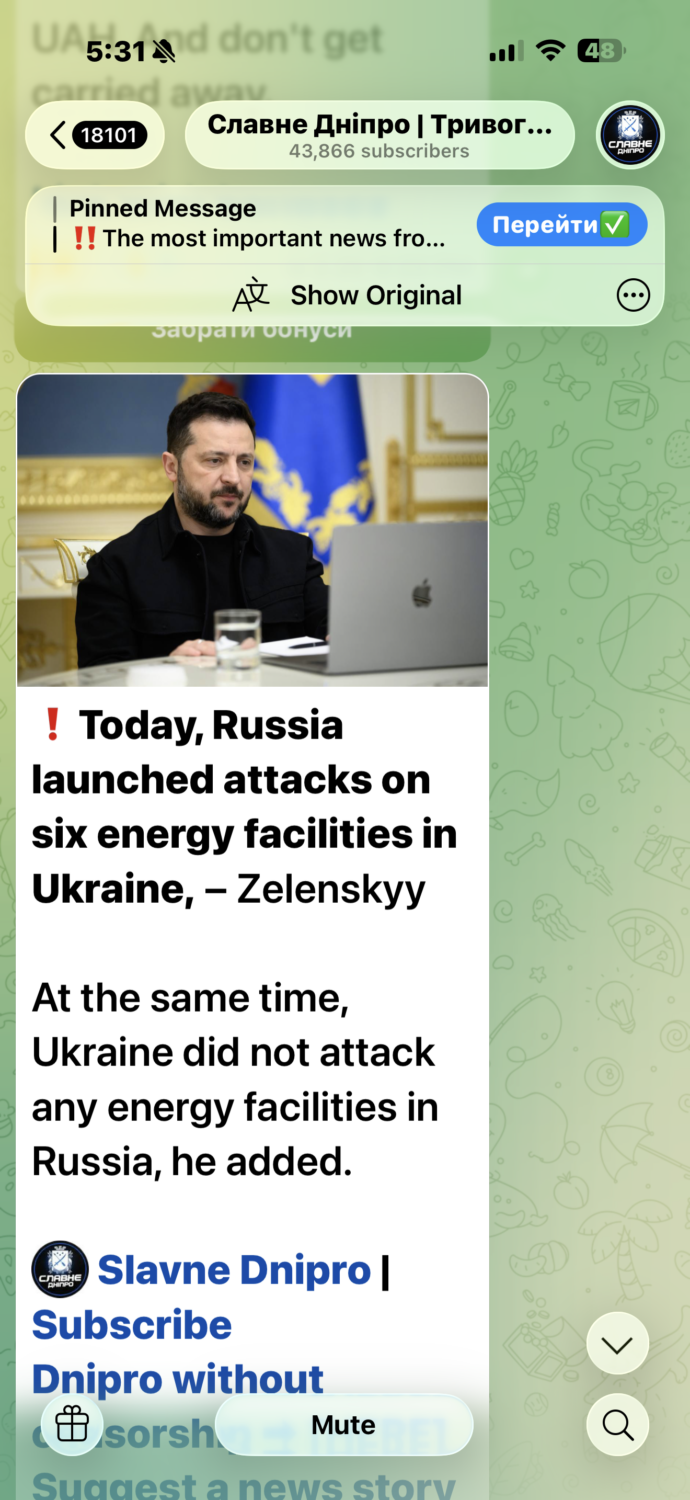
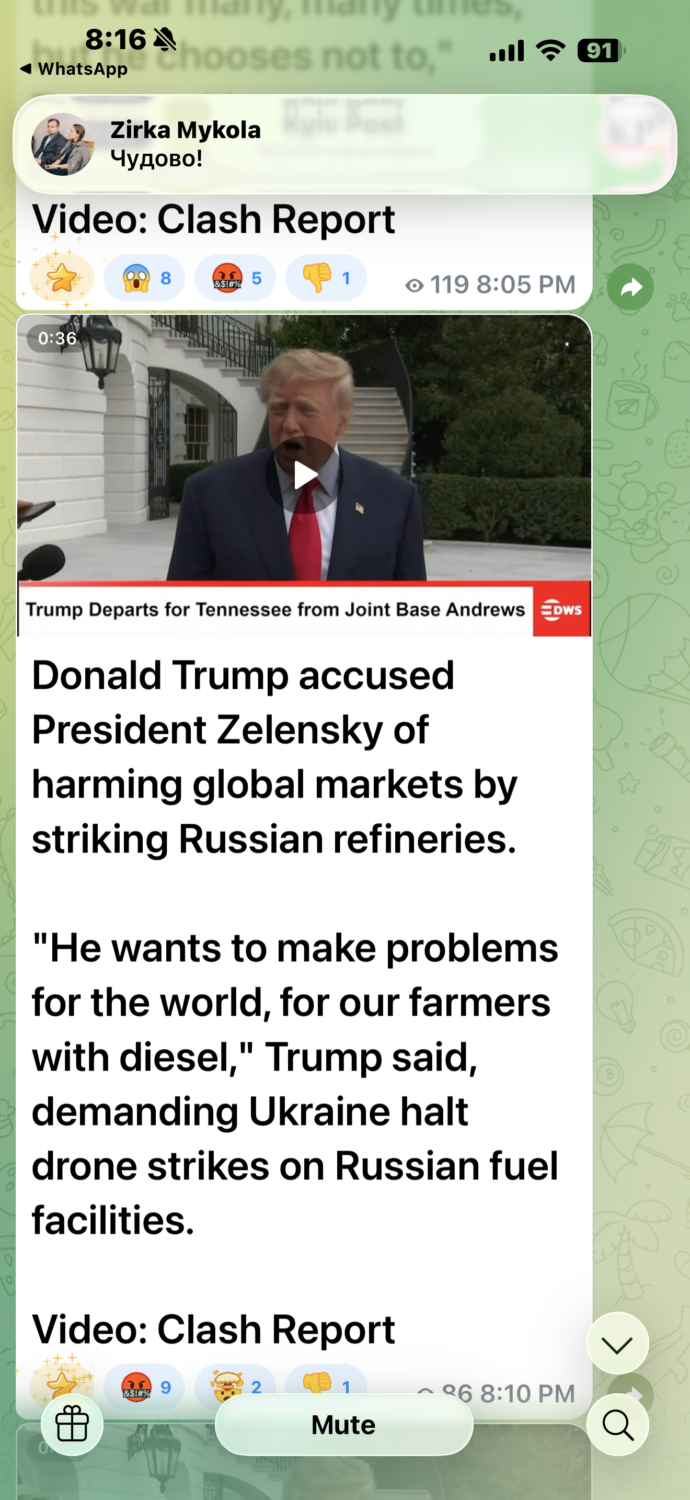
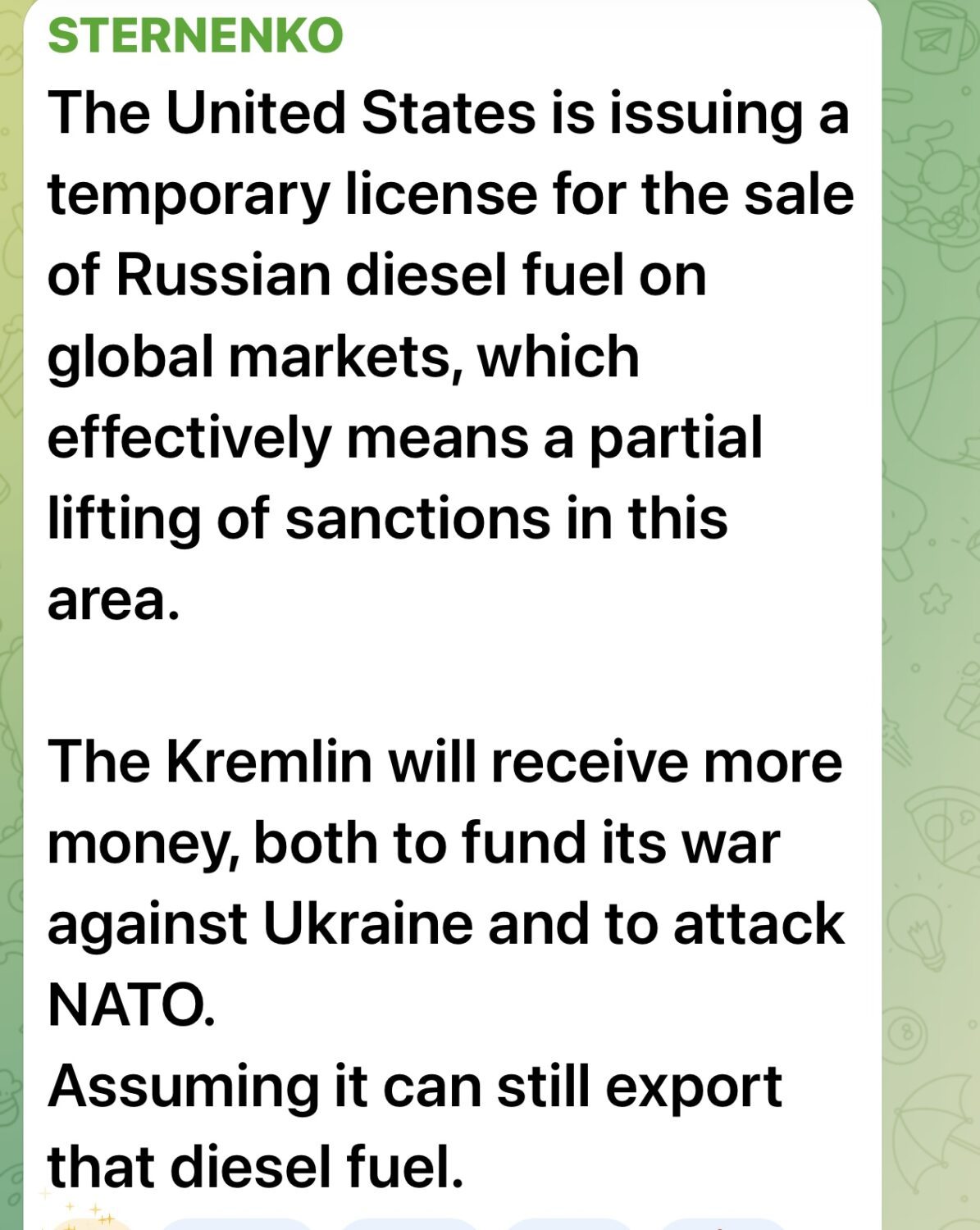
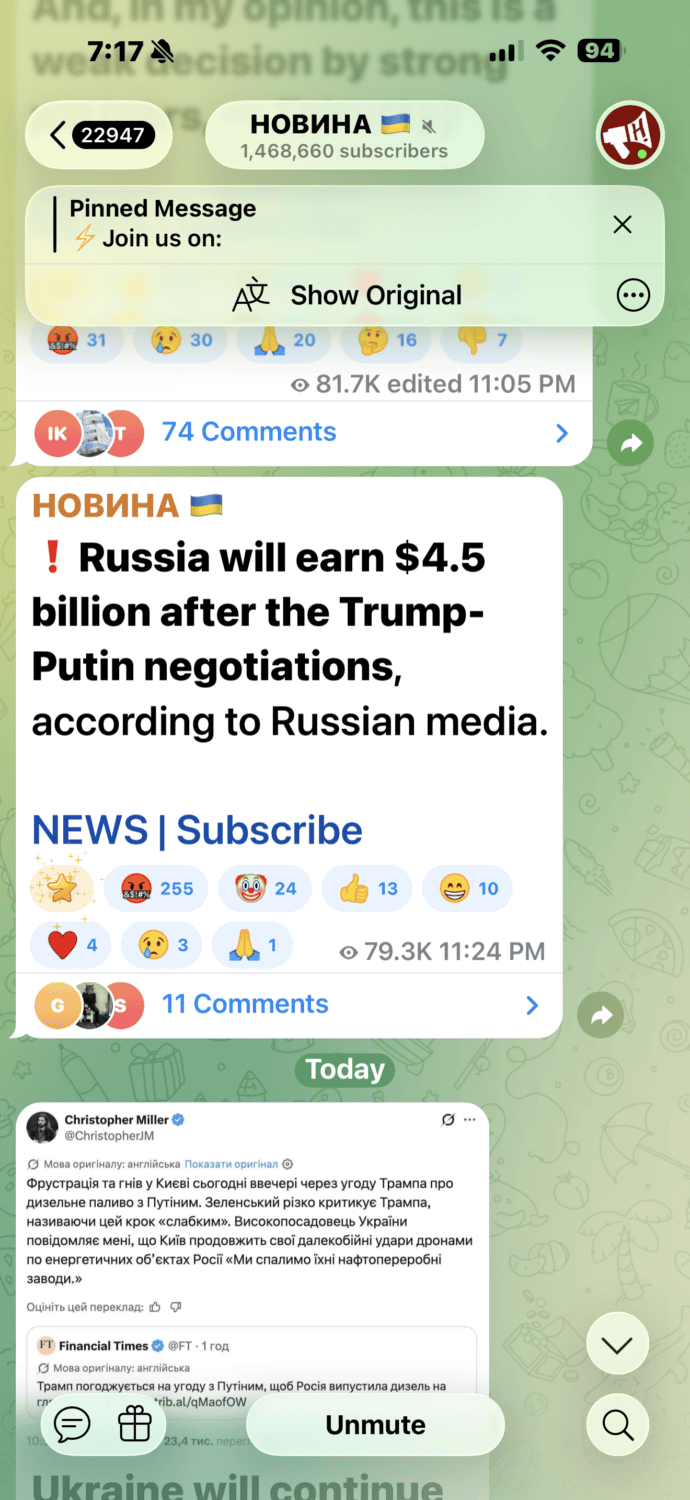
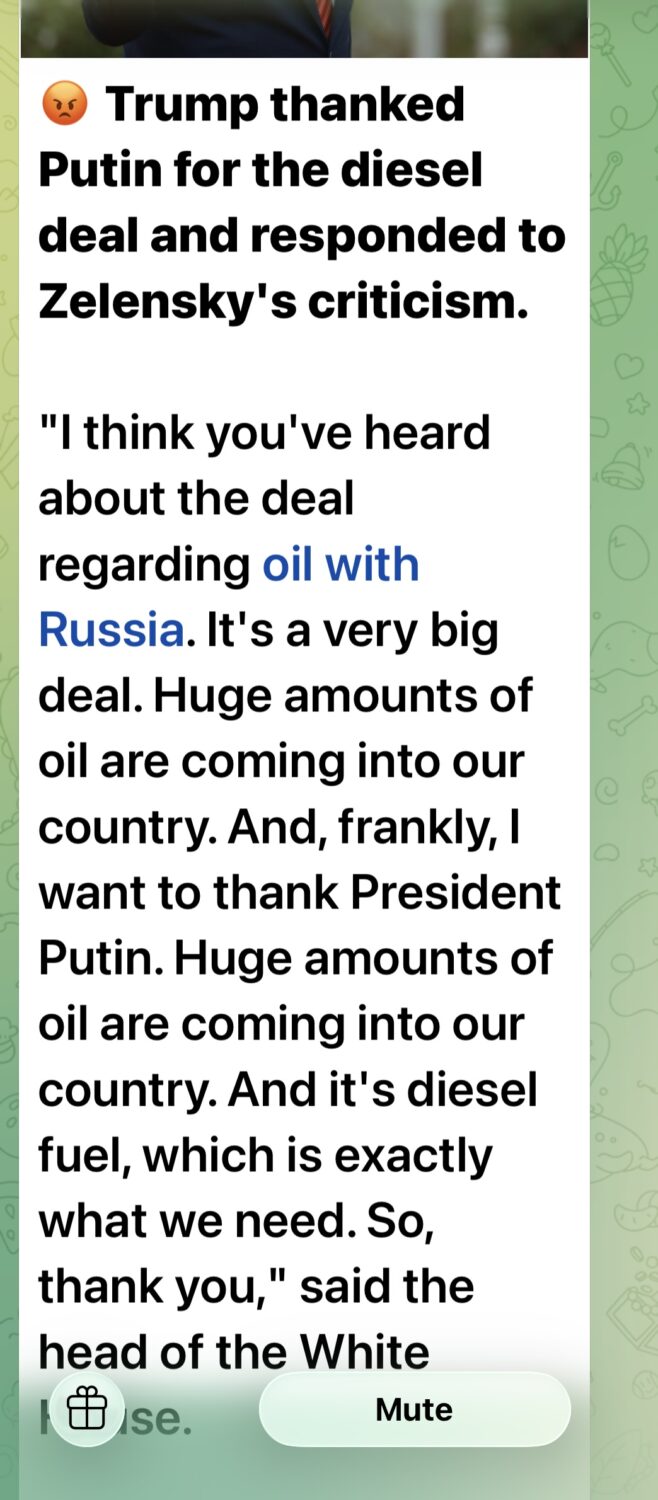
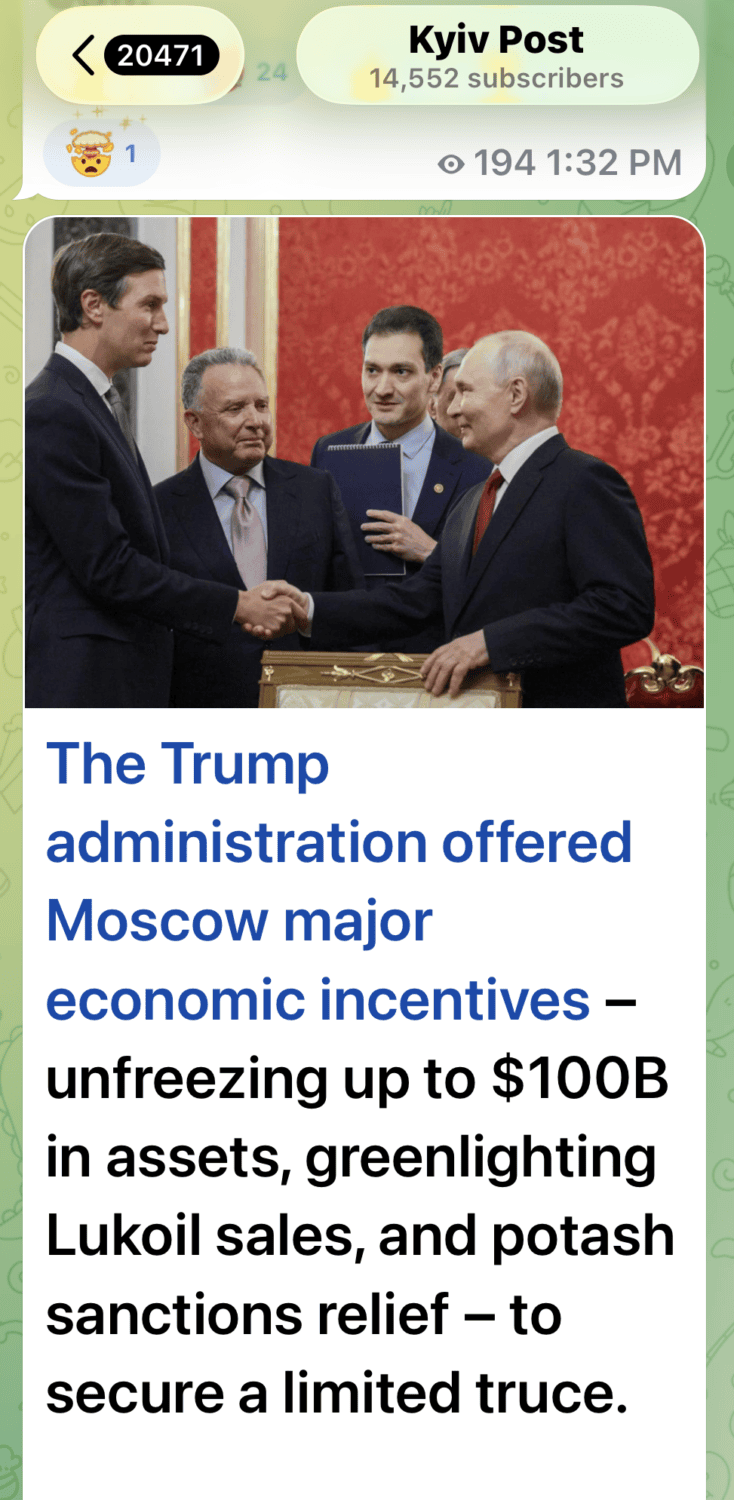
The news that sent me outside with a shovel in the first place was this: Trump had eased sanctions on Russian oil and criticised Zelensky for hitting the refineries that fund the war. The first shipment actually left last Friday. Bizarrely Trump had not long signed a bill that would let him impose heavy sanctions on Russia if he so chose to. Maybe this was just for show to appease his many pro Ukraine voters that are turning away?
So instead of imposing sanctions, he lifted them. This was to “ease diesel prices in the US” he originally said. You would be hard pressed to find anyone willing to backup Trumps claims that diesel price rises were caused by Ukrainian strikes in Russia. Clearly it is being mainly driven by the war he started with Iran. The claim that these small amounts of Russian diesel will help ease anything much anywhere is a nonsense. The dreadful thing this deal does is hand Russia more money to spend on the weapons it uses to kill and inflict suffering. Also now his diehard supporters have the promise of cheaper diesel in the US to make this “deal” more palatable and hence slowly, but surely. bringing Russia back out of the sanctions they are under. Not once in any of this has anyone in the current US administration asked Russia to stop bombing hospitals, stop hunting ambulances with FPV drones, or stop invading a country that only ever wanted to be left alone, in freedom and democracy.
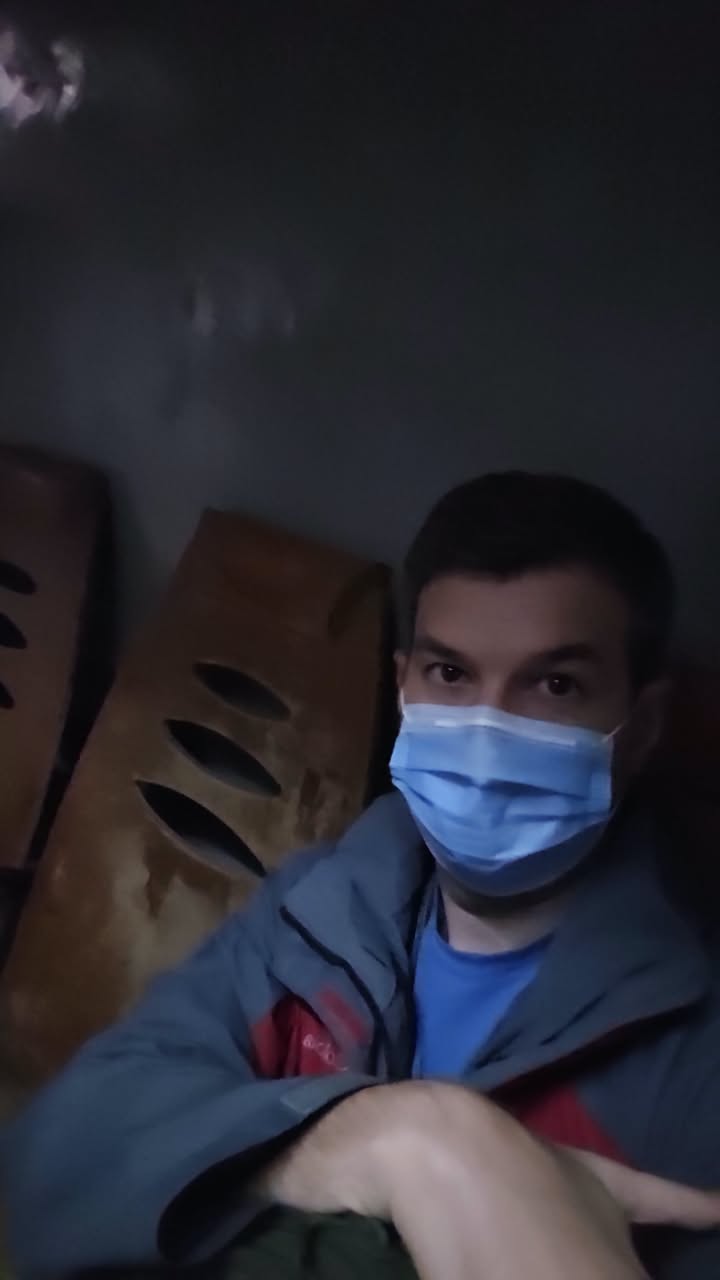
That same evening, we messaged a friend who volunteers his time here as an eye doctor, to see how he was getting on. He’d gone south of Odesa to run a mobile clinic, and the city had just been attacked again. He sent back a dim photo of himself in a mask, sheltering at the train station with about thirty other people. Elsewhere in the country that day, more civilians were killed in Russian strikes, children among them, as so often happens. It barely made a ripple in the headlines Trump was generating.
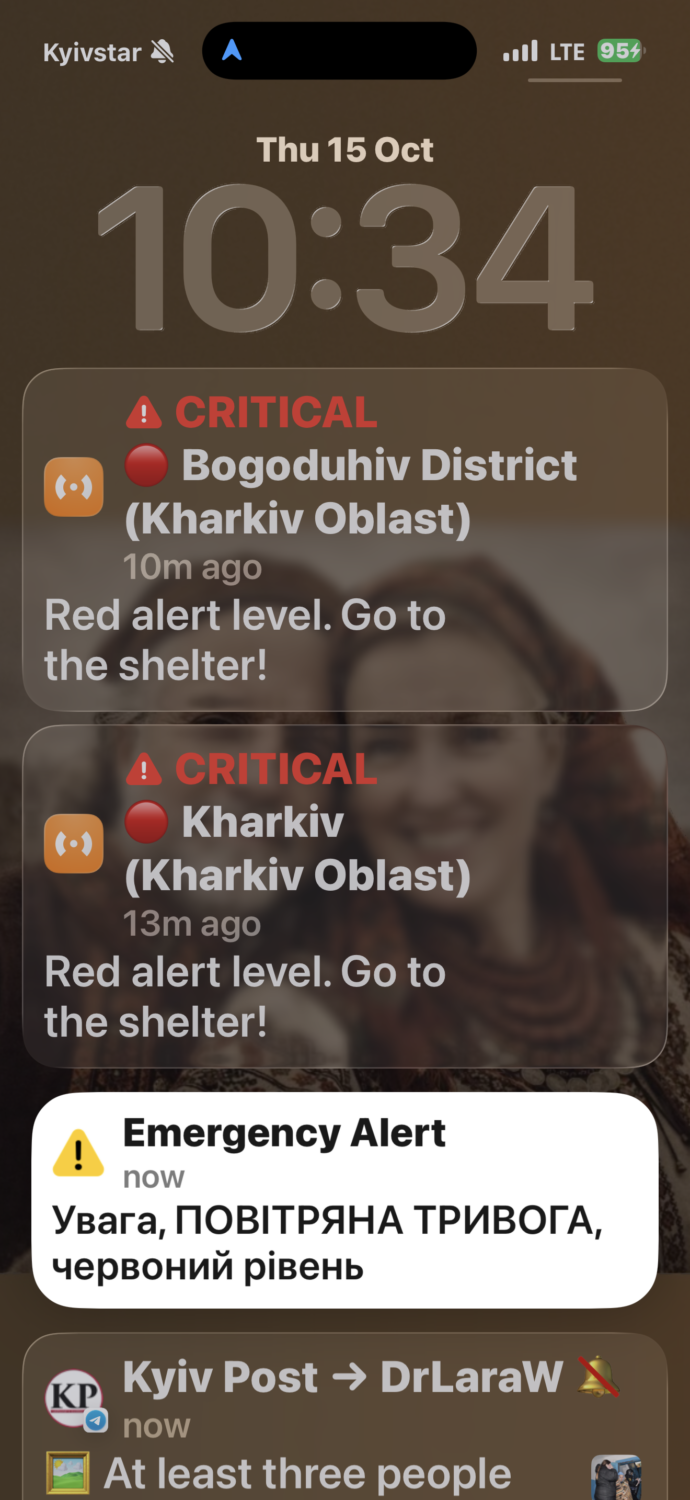
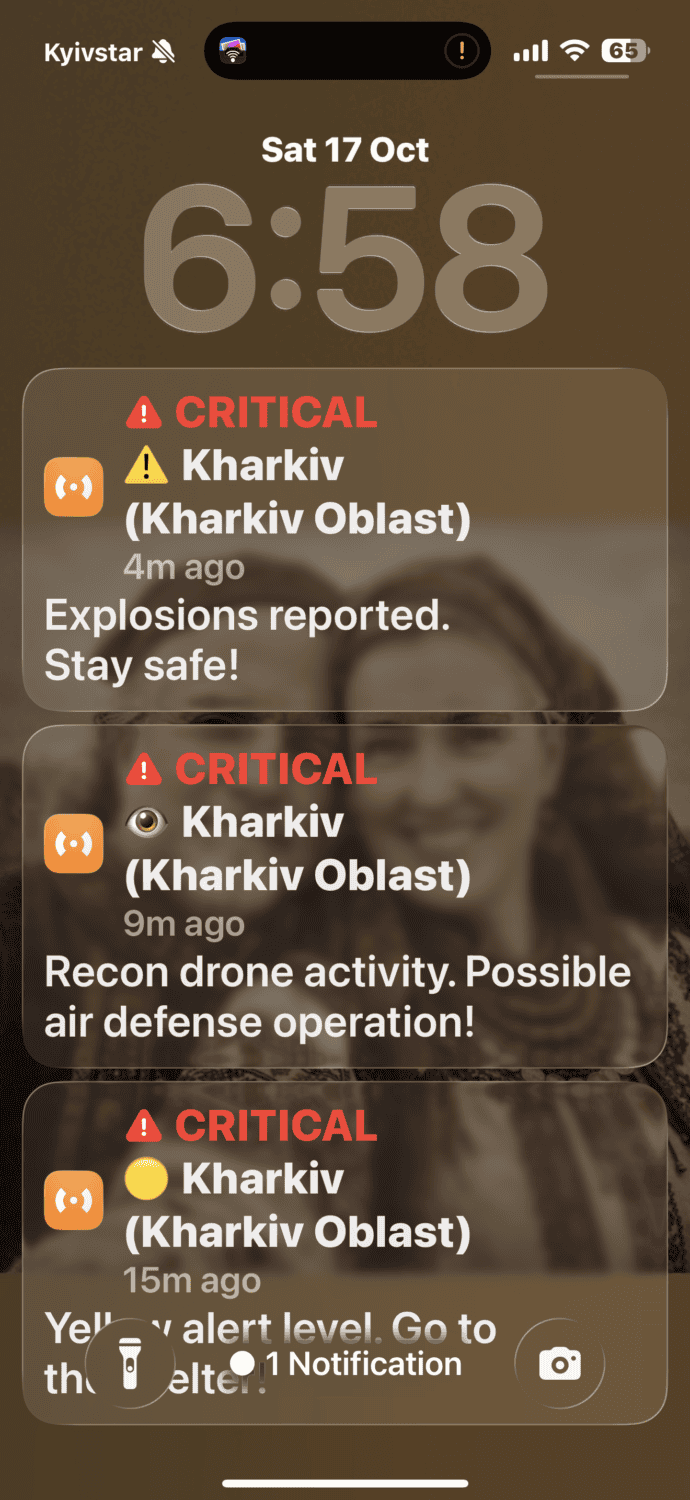
The days that followed brought three separate drone alerts in our usually quiet part of the country. The last two were close enough that we actually heard the explosions, even at a distance — these are the newer jet-powered drones, faster and harder to shoot down. Debris from one that was intercepted went on to destroy the house and car of a doctor known to colleagues here. In between, life carried on: meetings for our MedLearnUke online education platform, preparing talks, the ordinary admin of keeping things running.
One evening we had dinner with a friend who leads at CMA, and talked about how much harder things have become for people in Ukraine lately, particularly in some regions. I mentioned that at a recent gathering, friends visiting from Kyiv had talked openly about the attacks and the difficulty of daily life under them — which struck me as unusual, because Ukrainian friends so often do the opposite, steering conversation away from the war so they can just have a nice time together. She agreed immediately; it must be especially bad right now if people were raising it unprompted. A couple of days later I saw the same Kyiv friends at church and asked if they were heading home that day. “Yes,” came the reply, “we go back to hell.” Not the kind of thing I’m used to hearing from Ukrainians.
My friend also told me how hard Ukrainians often find it when foreigners ask them things like what they think of world support, or what they make of Trump’s latest comments. For us, she said, it’s an interesting topic. For them, it’s their life — and often their death — and talking about it with people who don’t fully grasp the consequences can be its own small trauma. I understood what she meant; I’d seen it myself. At her initiation, though, we did talk a little about the pressure to negotiate or give up territory. She said she thought Ukrainians would die before surrendering. That has been my consistent observation too, everywhere I’ve travelled in this country. The conversation was heavy — a reminder of the weight carried by young people who should be planning their futures, not their survival — but we also talked about hope, and prayed together before she left. Almost immediately after, a drone alert sounded. More drones were heading for Lviv.
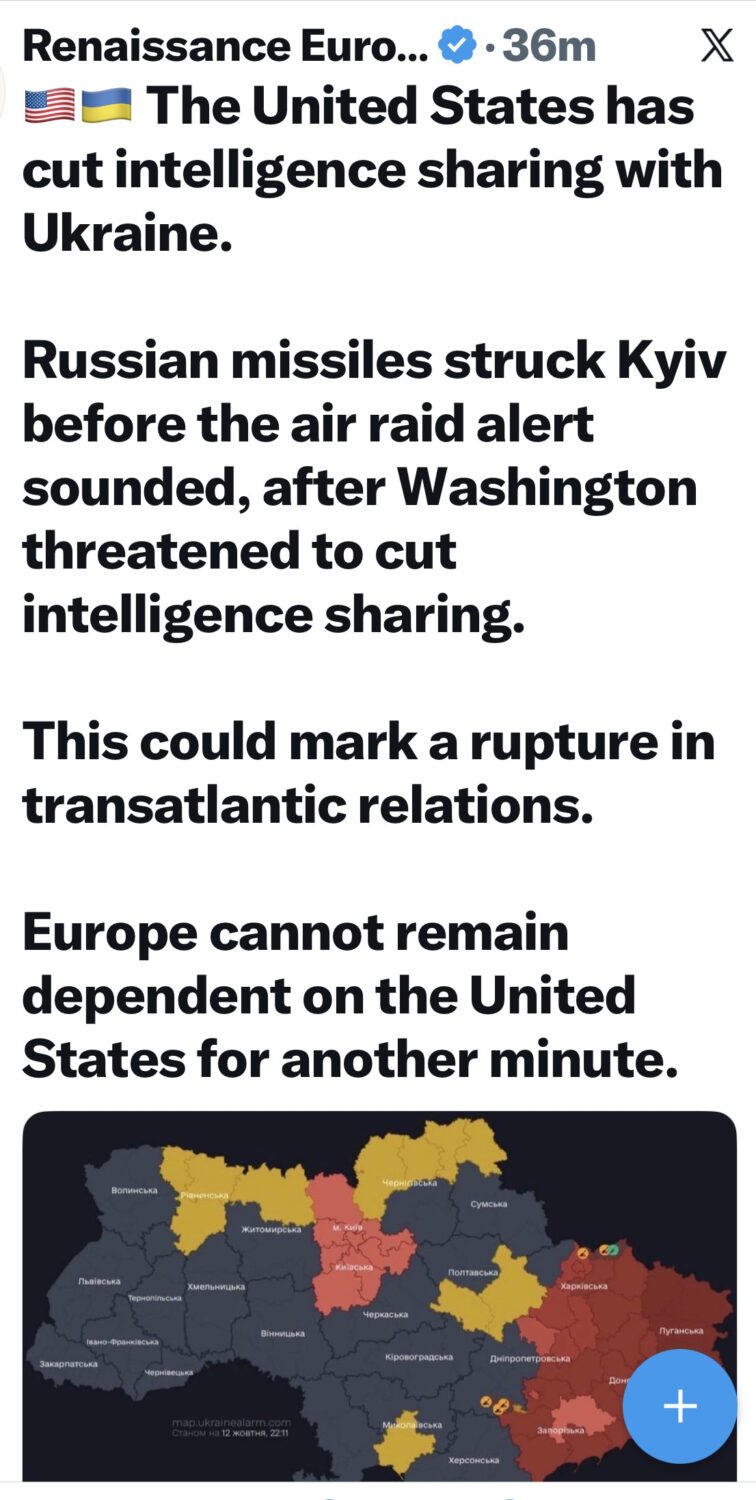
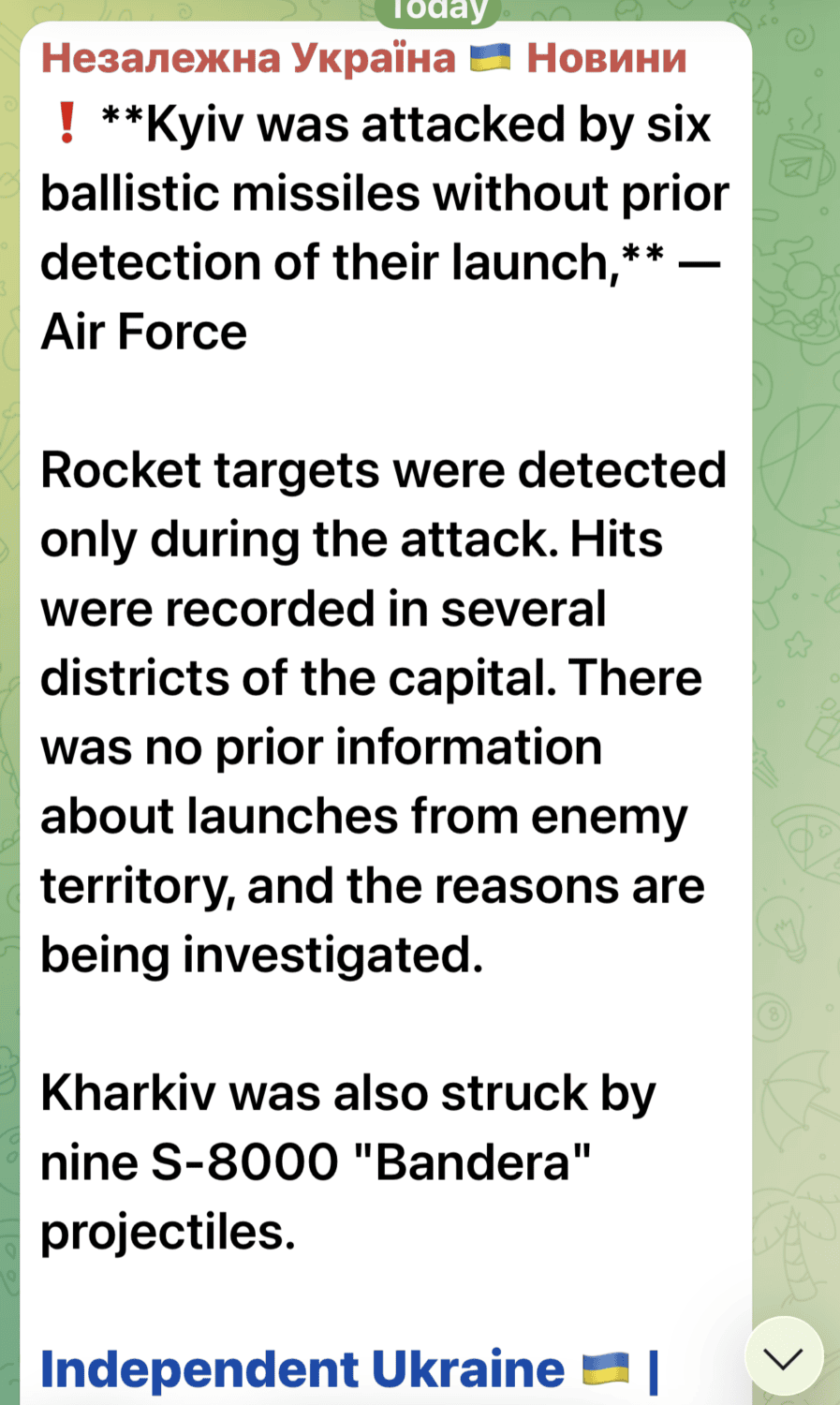
Two days later, missiles hit Kyiv again, with no advance intelligence or alerts from partners — the second time that had happened. A massive barrage targeted heat and power plants in the capital, along with the lines carrying power from Ukraine’s nuclear plants. At the same time, Starlink (Starshield) access was restricted to the Ukrainian army, disrupting operations right when they were needed most. Driving through and around Kyiv that day, we lost GPS repeatedly under constant air alerts — my phone seemed to think, with great confidence, that we were somewhere in Russian-occupied Luhansk. You do these things without thinking until you stop and realise how absurd and wrong they all are: making sure the first aid kit has tourniquets and packing bandages in case you’re caught in a drone strike, carrying whistles in case you end up trapped under rubble…
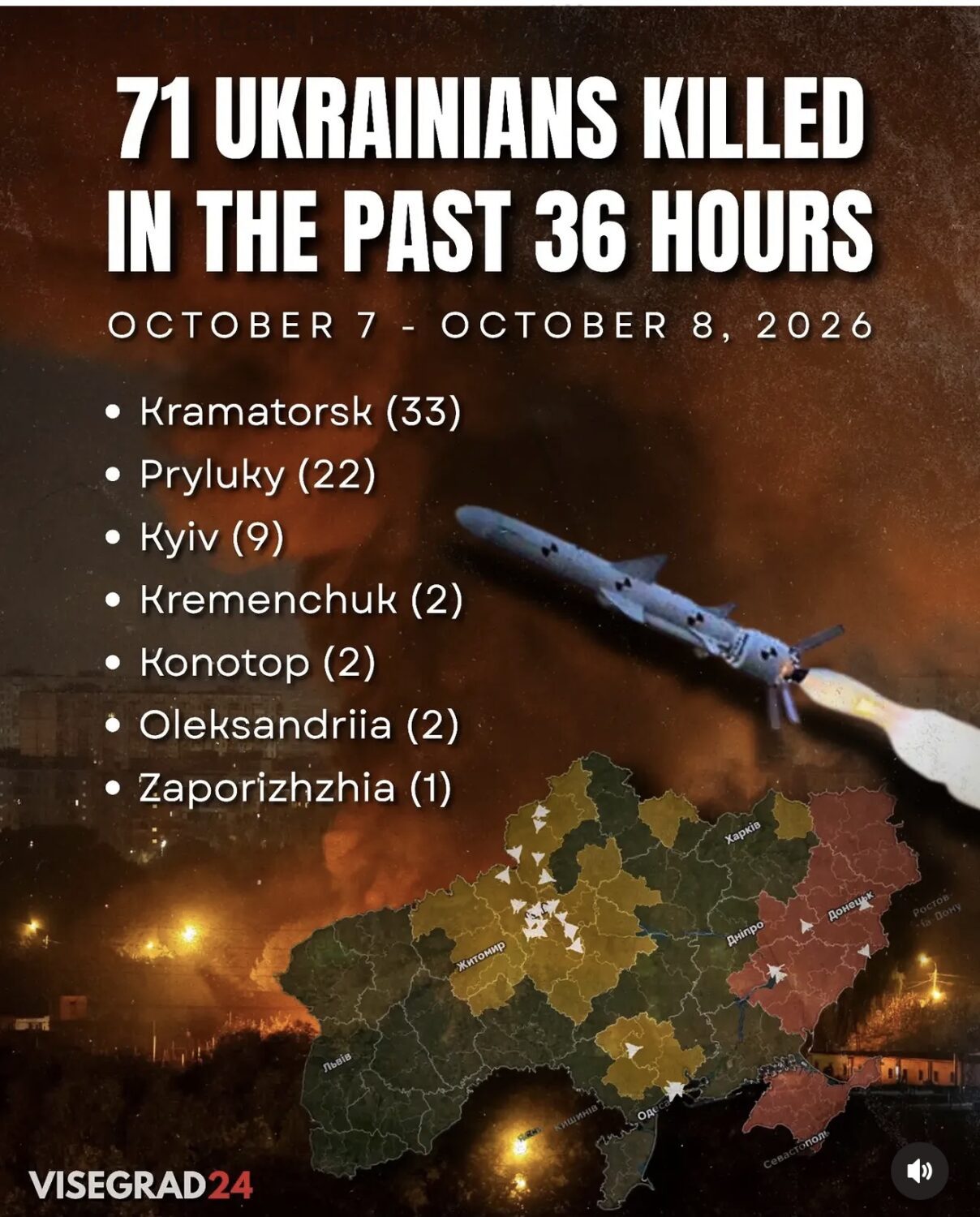
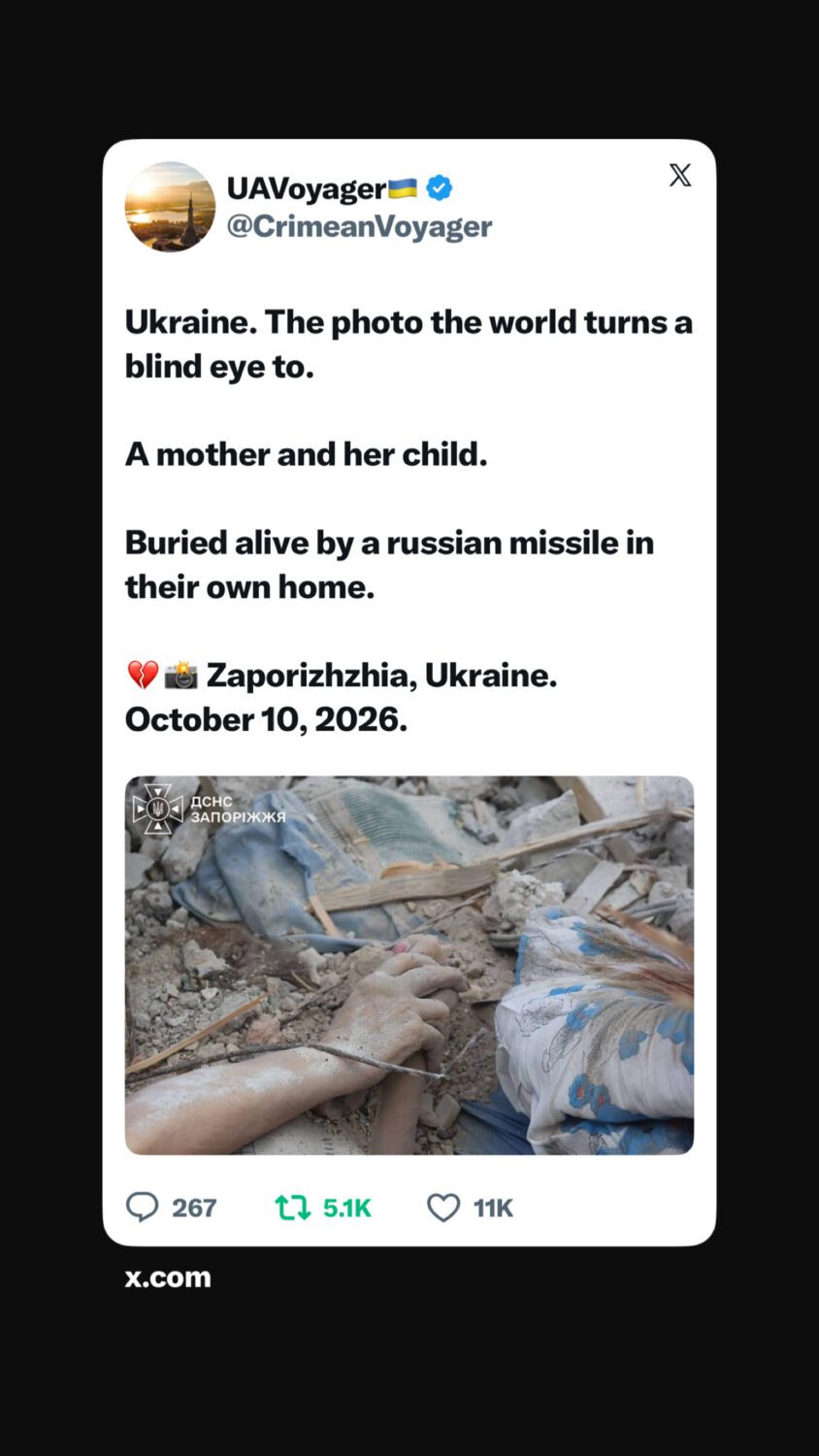
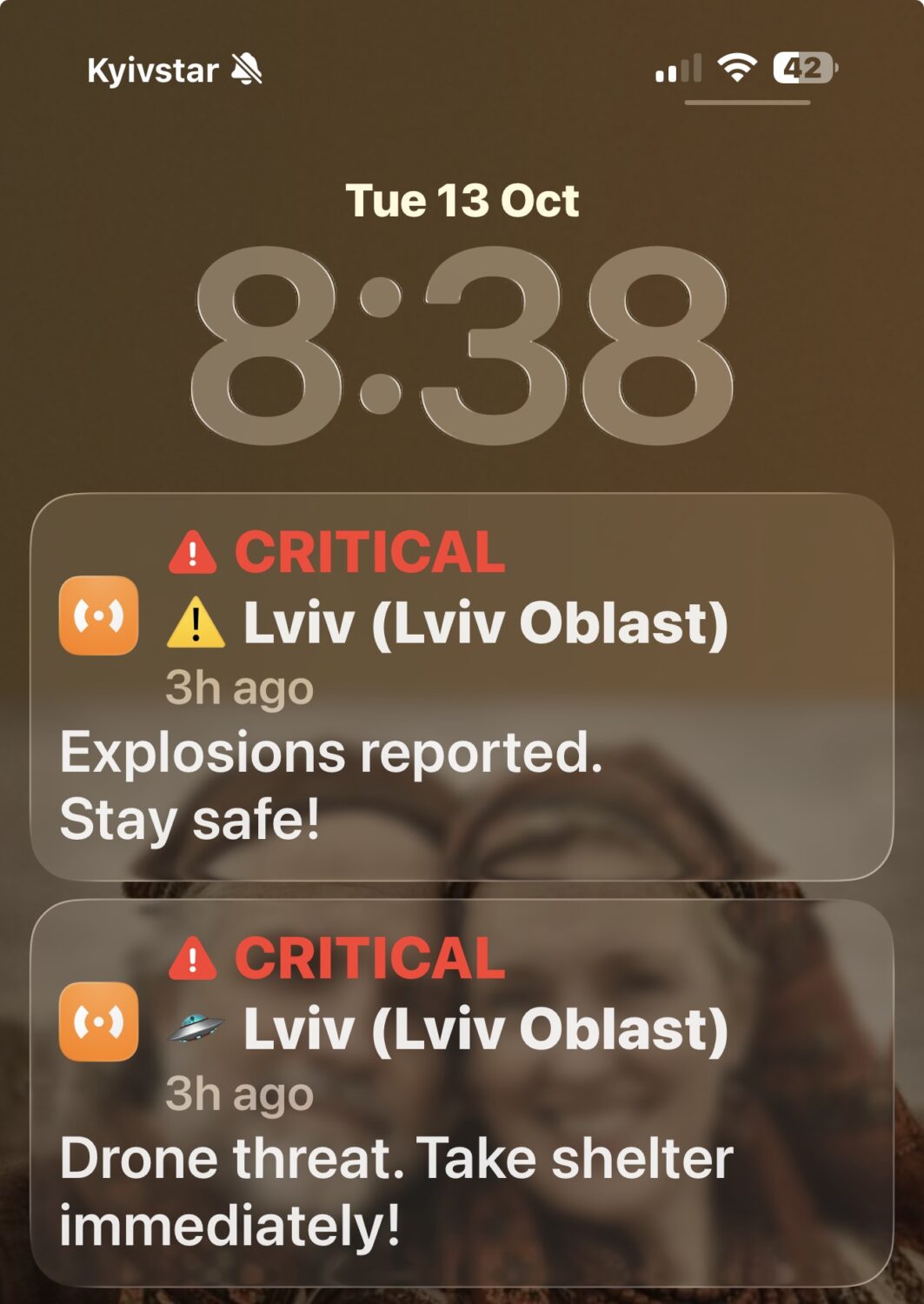
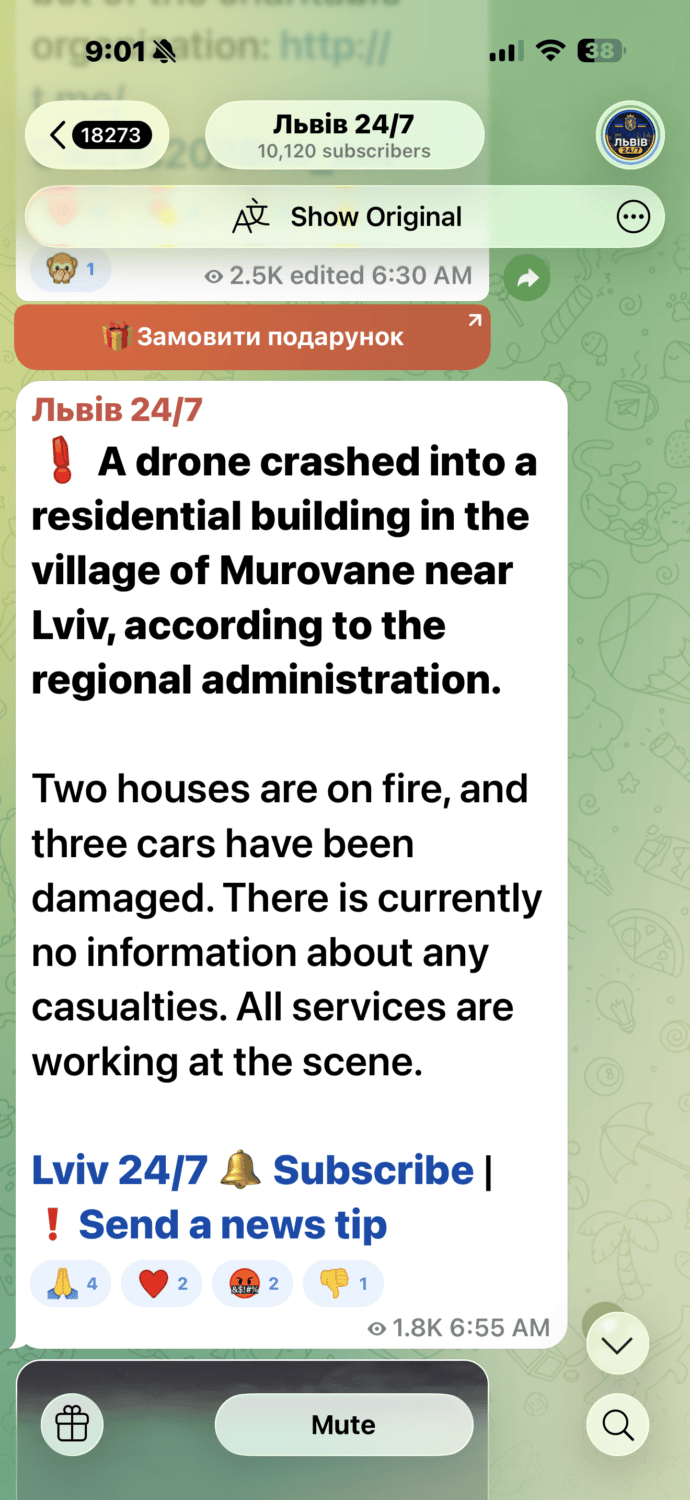
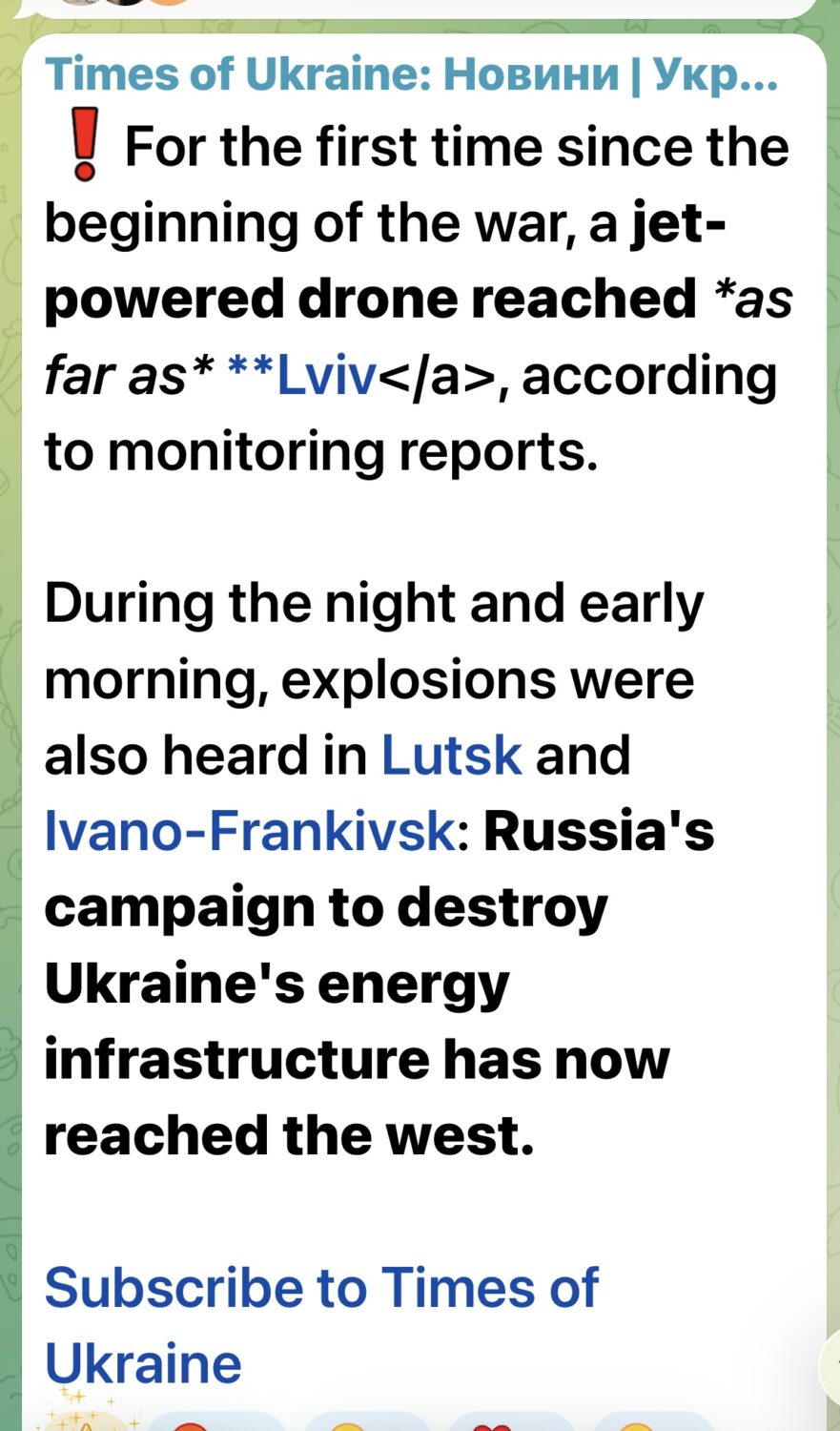
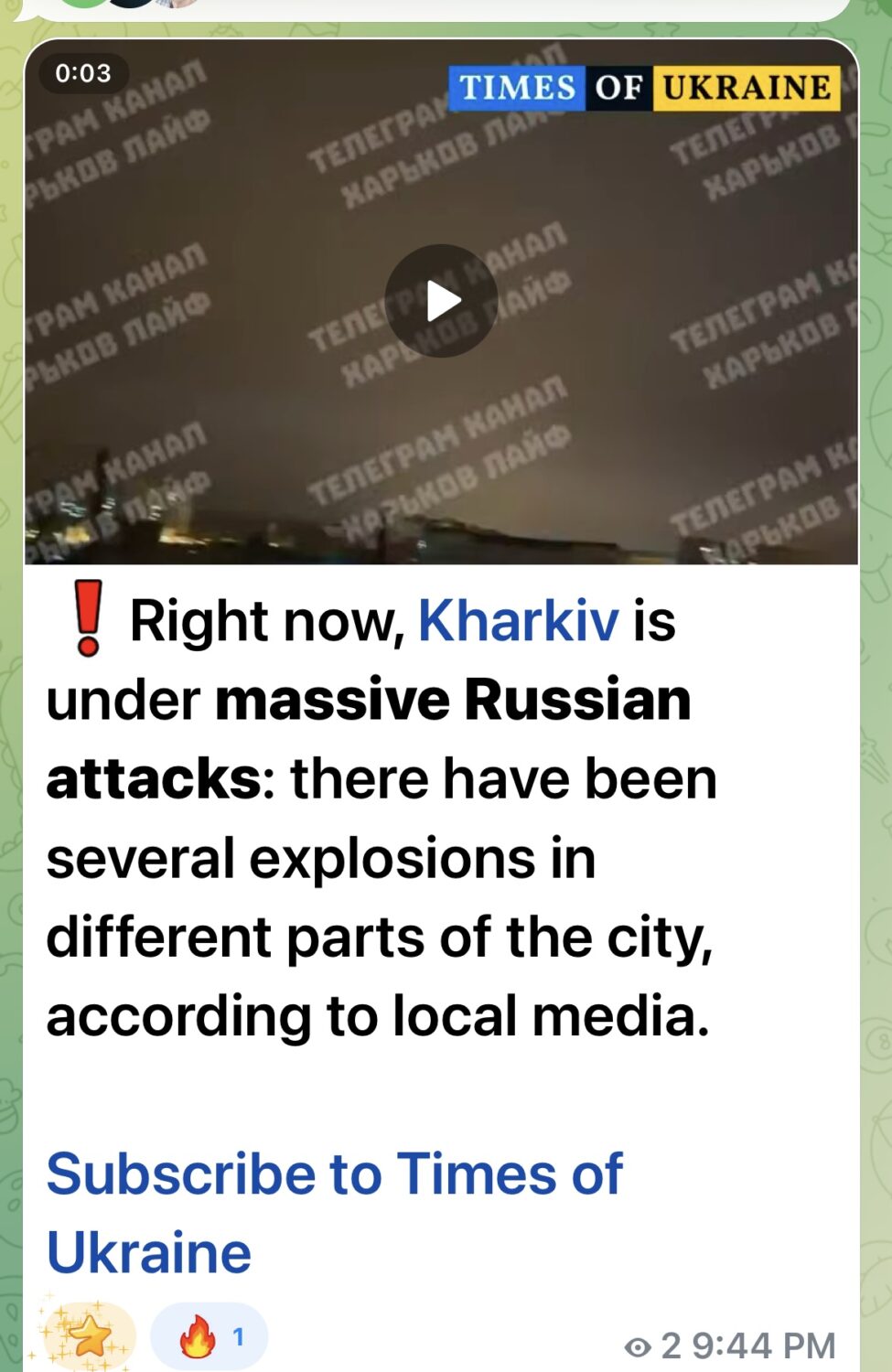
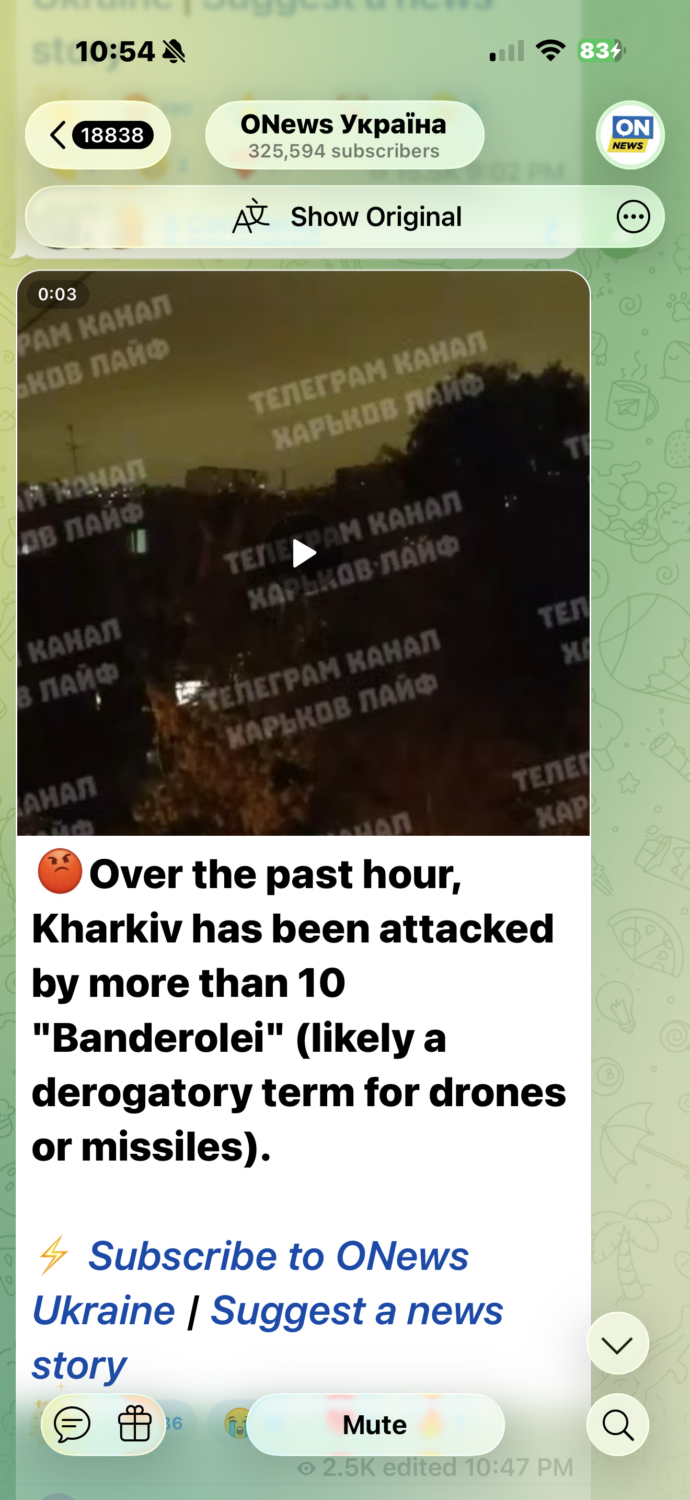
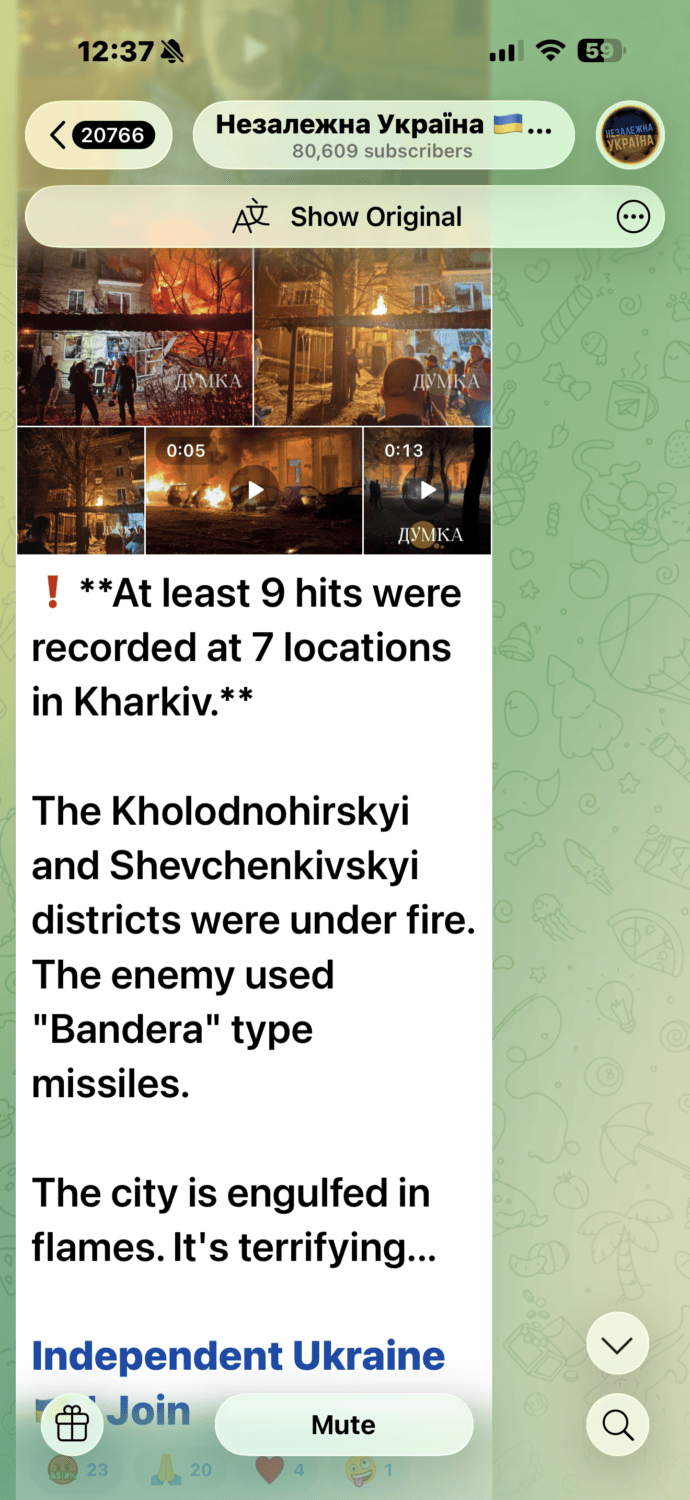
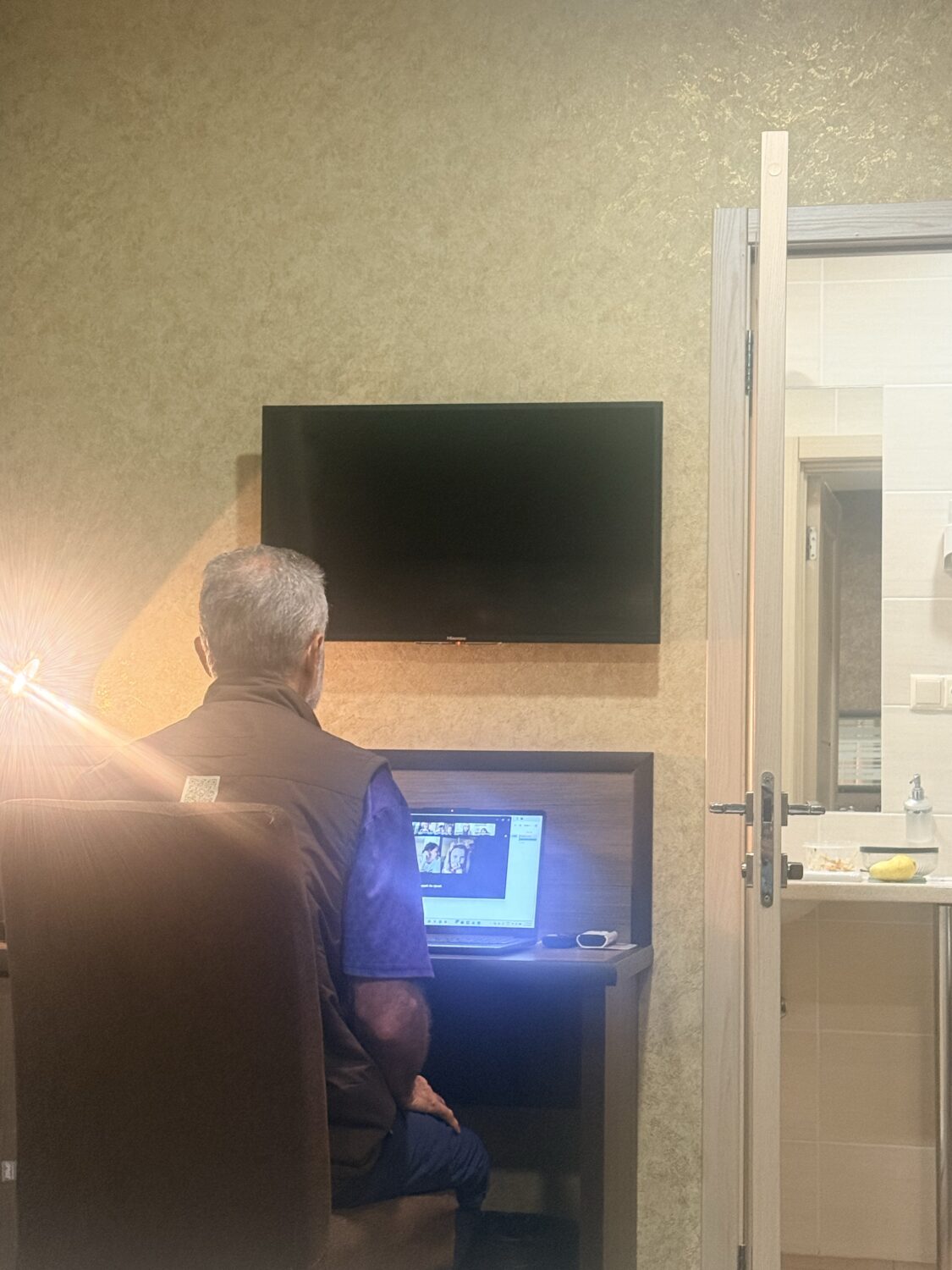
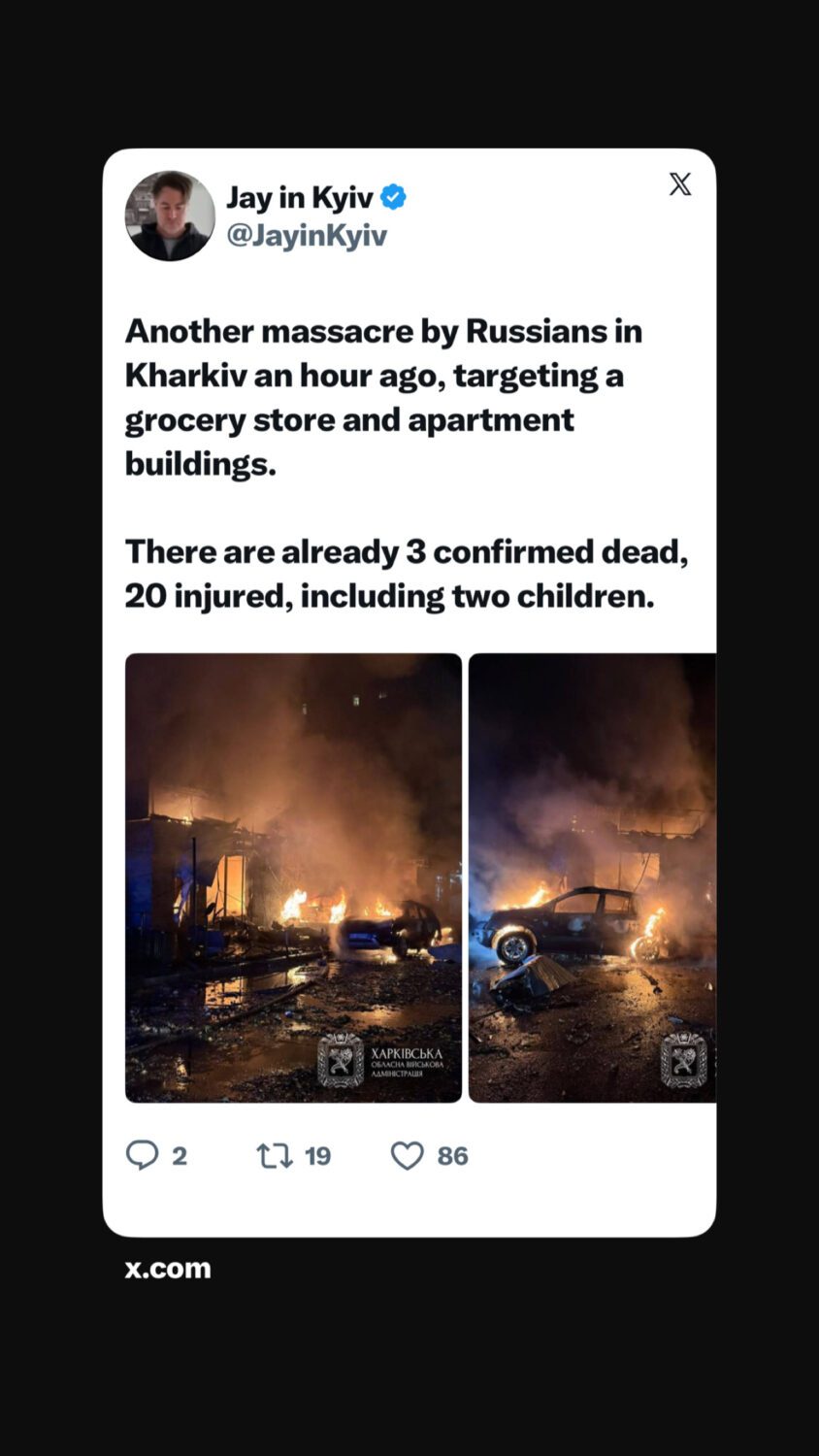
The alerts delayed our trip and pushed back the start of Ron’s inaugural online English club with CMA staff, which we’d planned to run from the hotel. While we were still on the road, jet-powered drones rained across the country; people were killed and injured elsewhere that day, including some who were simply doing their grocery shopping. We arrived late, but Ron’s first English club went ahead and was genuinely lovely — a good mixed group of CMA volunteers and staff joining from across the country. When people were suggesting icebreaker topics for newcomers, one woman from Kyiv offered, quite naturally, “did you hear the explosions last night?” Another said she’d rather not go there. It was only afterwards that I understood why: by the time English club finished, she’d already sat through three air raid alerts that day. Six, by day’s end.
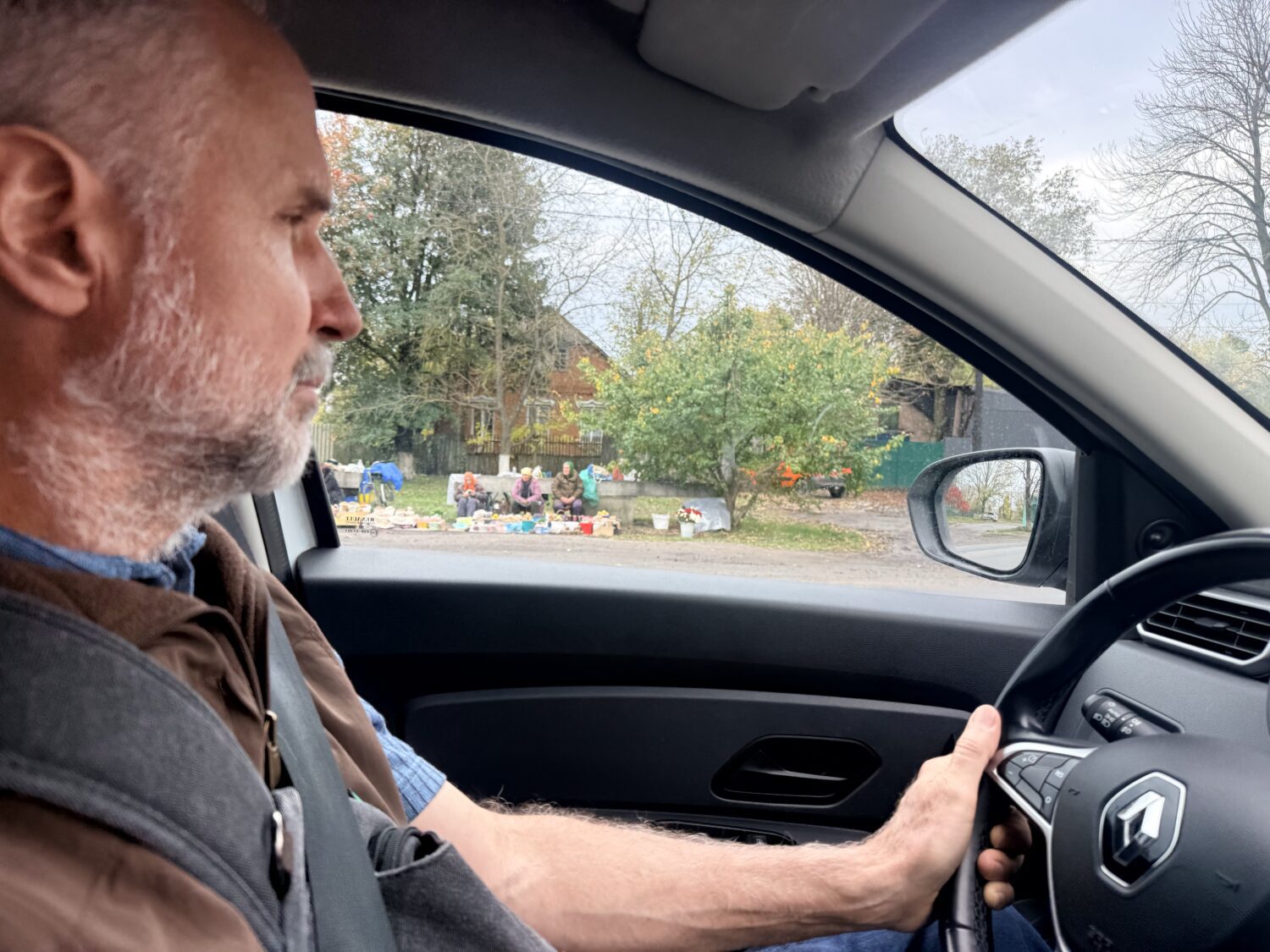
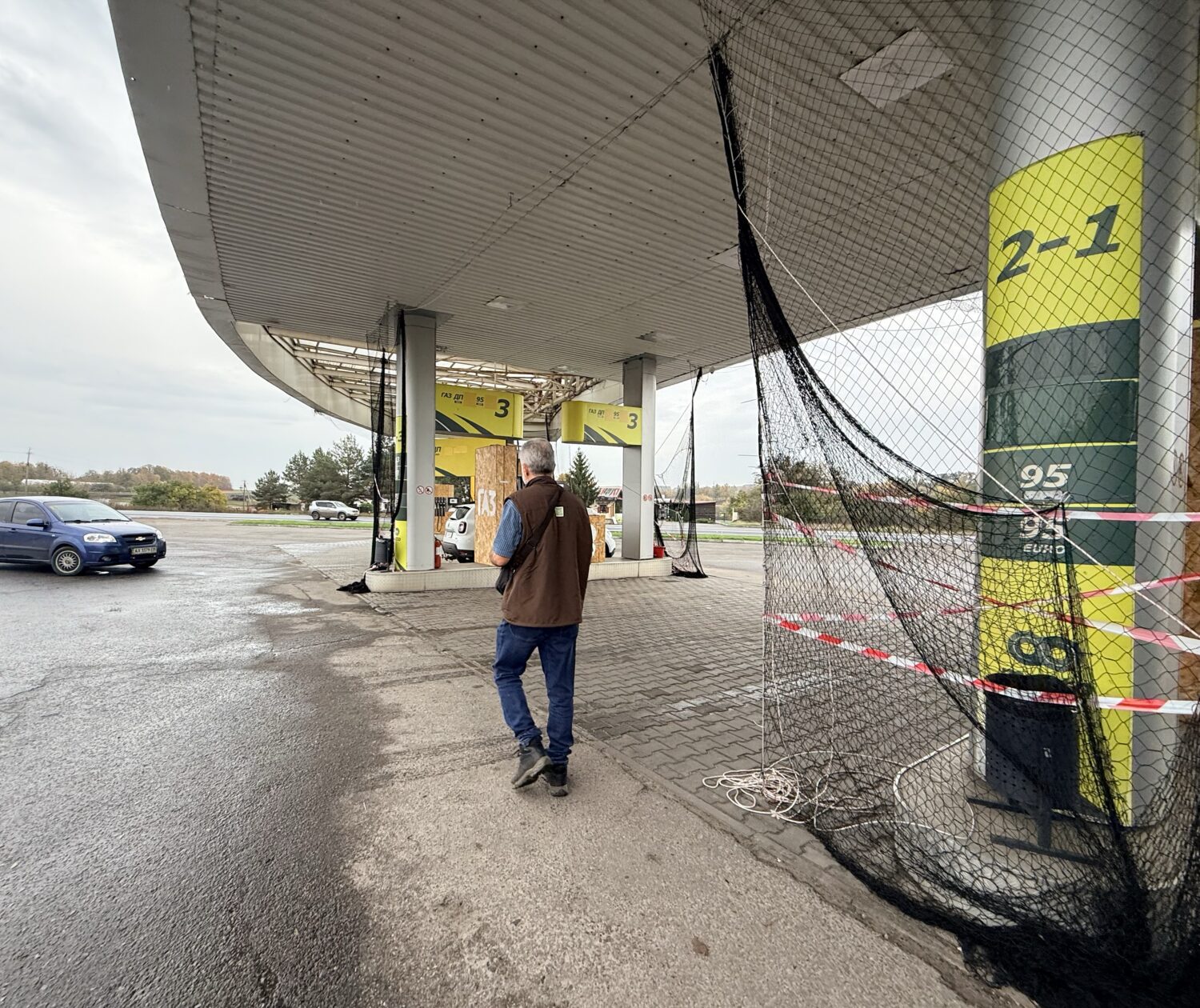
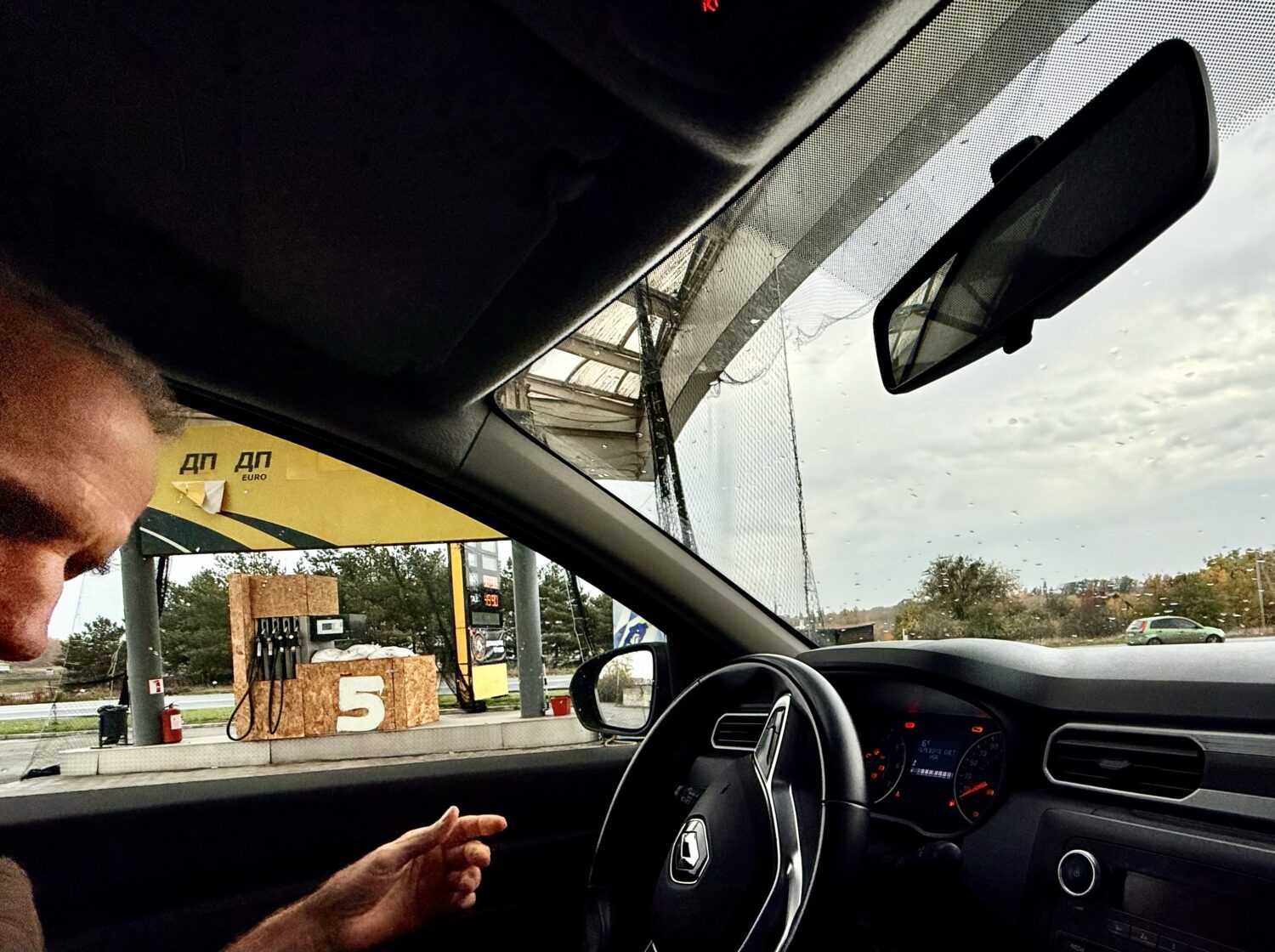
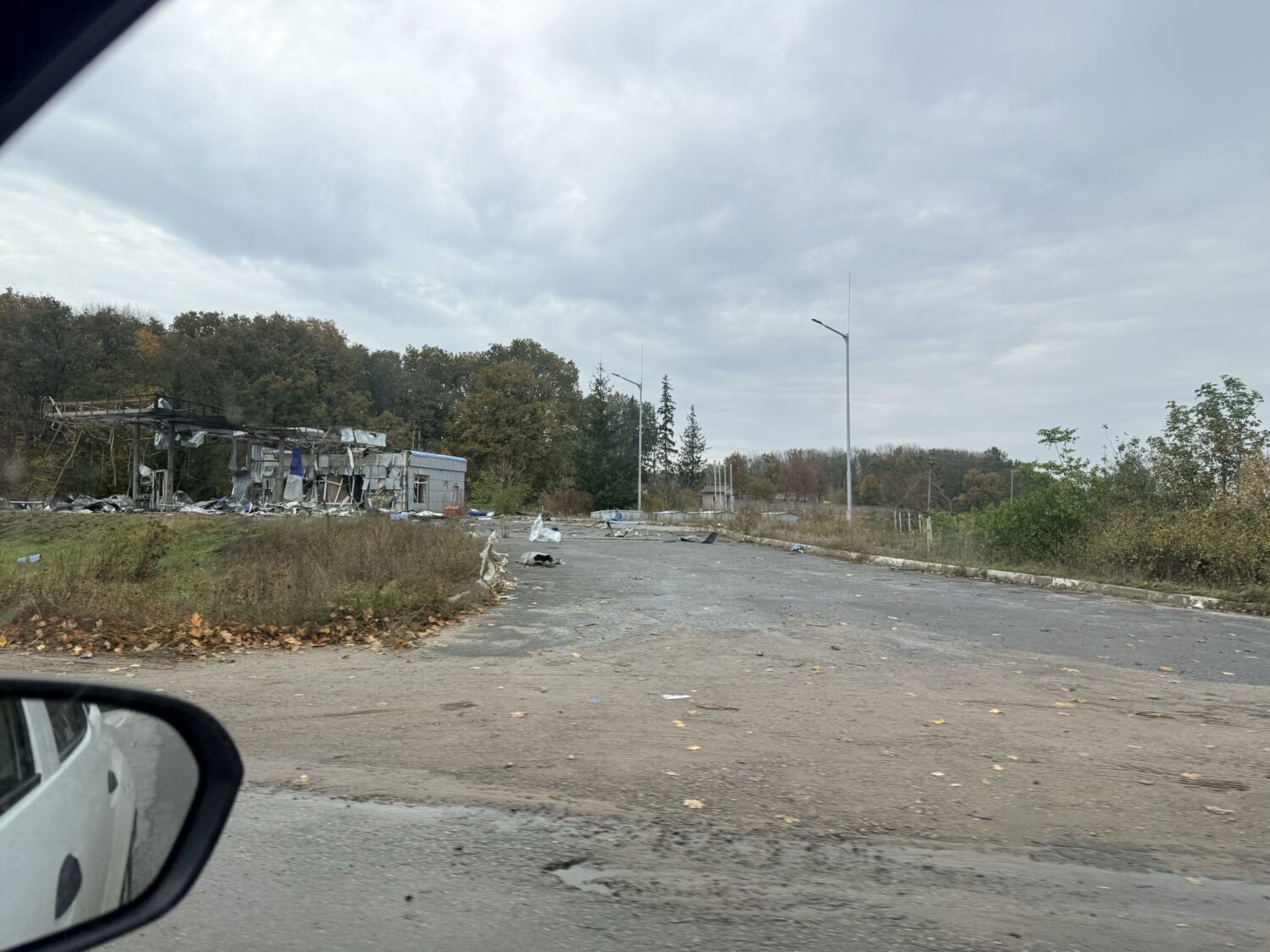
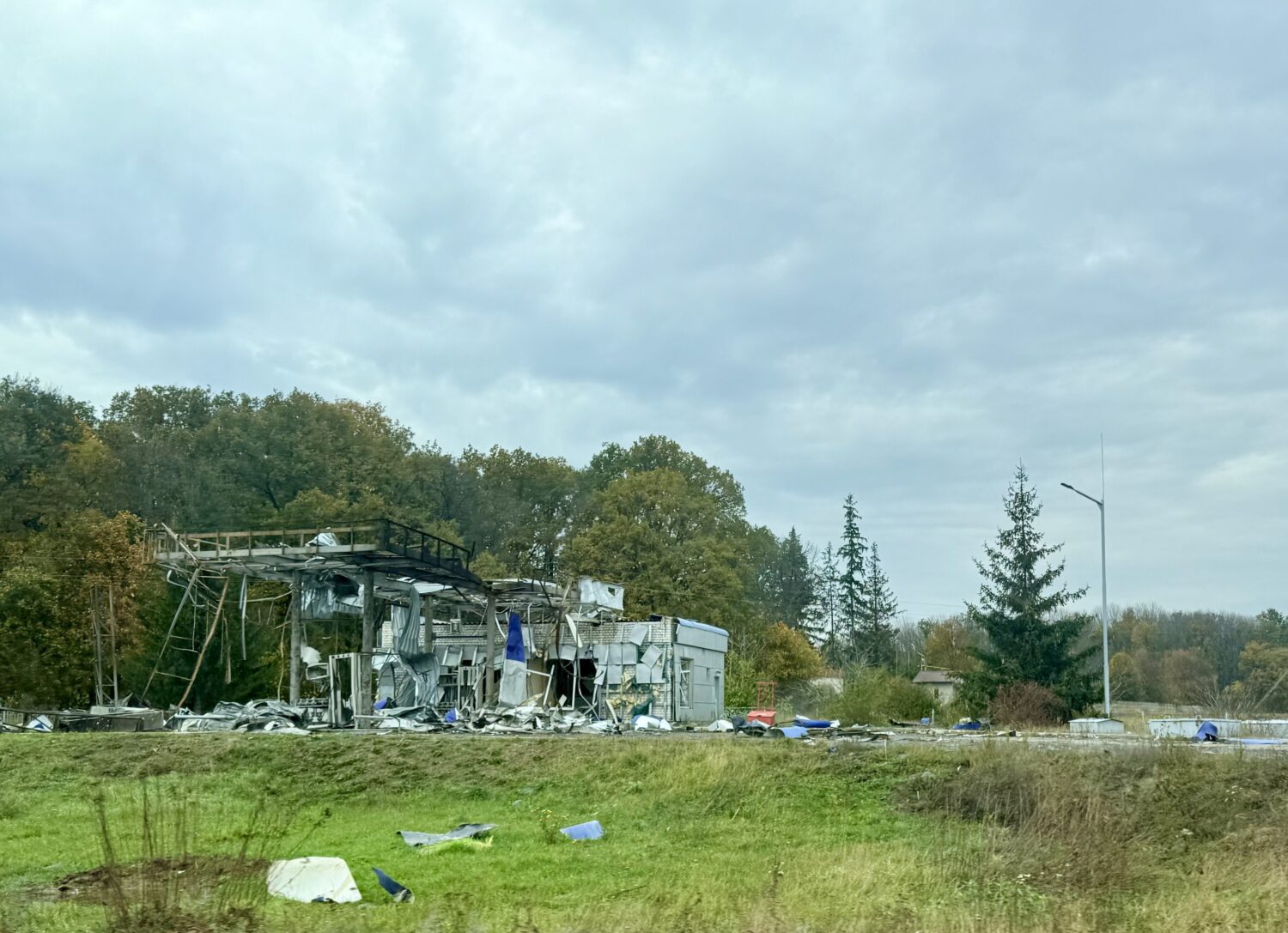
The next morning we set off to find fuel. The day before, the cheap diesel had apparently run out, though we hadn’t thought much of it. This time the first station had none at all; the next had only the expensive kind; by the third we just bought it, having looked up that a shortage was developing — a mix of global supply issues, long delays at the borders, and unusually low water levels on the Danube slowing deliveries further. Ukraine does have its own refineries, but Russia has destroyed them. We started noticing some stations had built concrete bomb shelters beside the pumps, or stacked sandbags around them, because petrol stations have increasingly become targets in their own right. Between Poltava and Kharkiv, every single station but one had already been bombed. We were very glad, right about then, to have our jerry cans in the back.
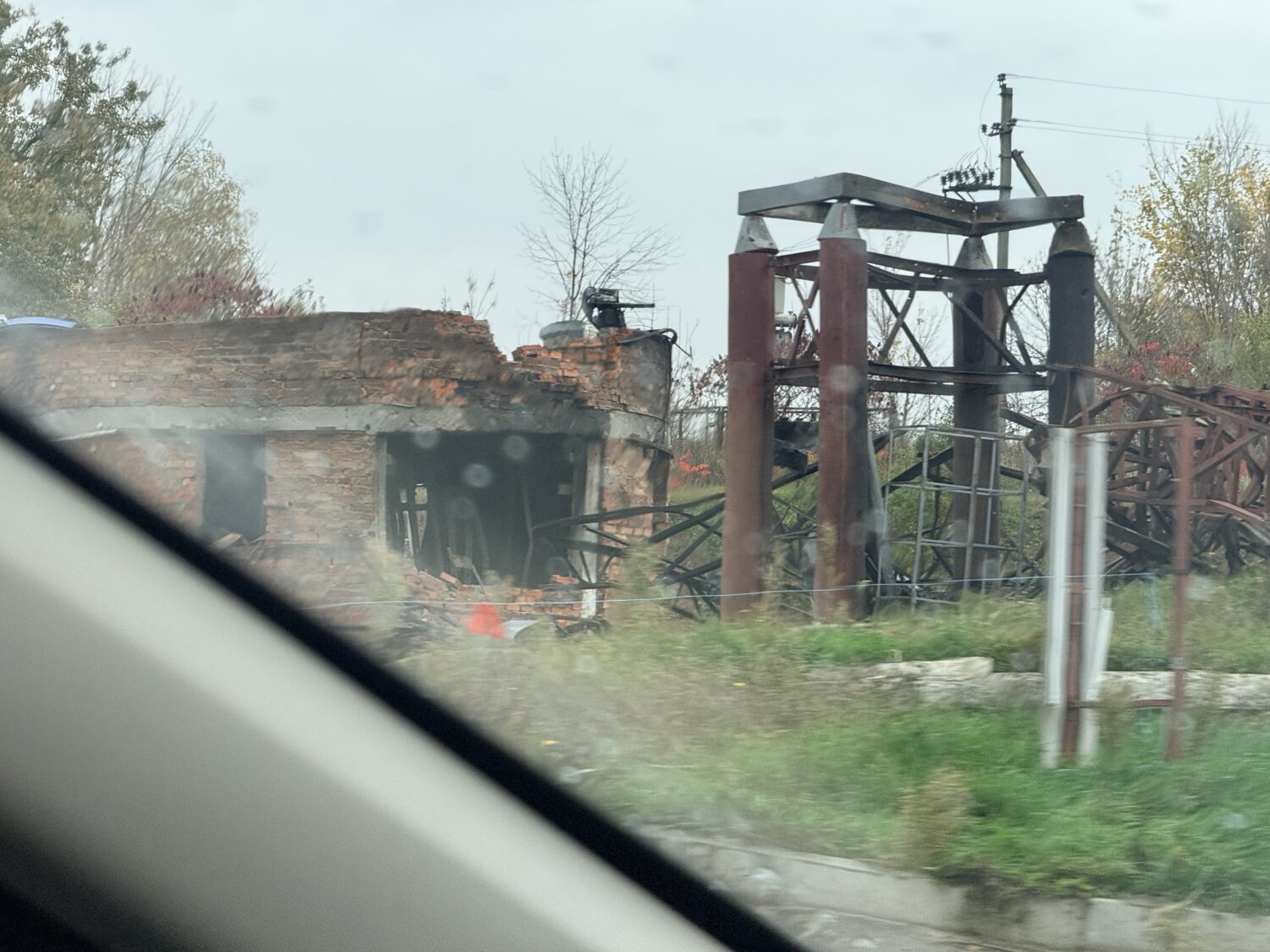
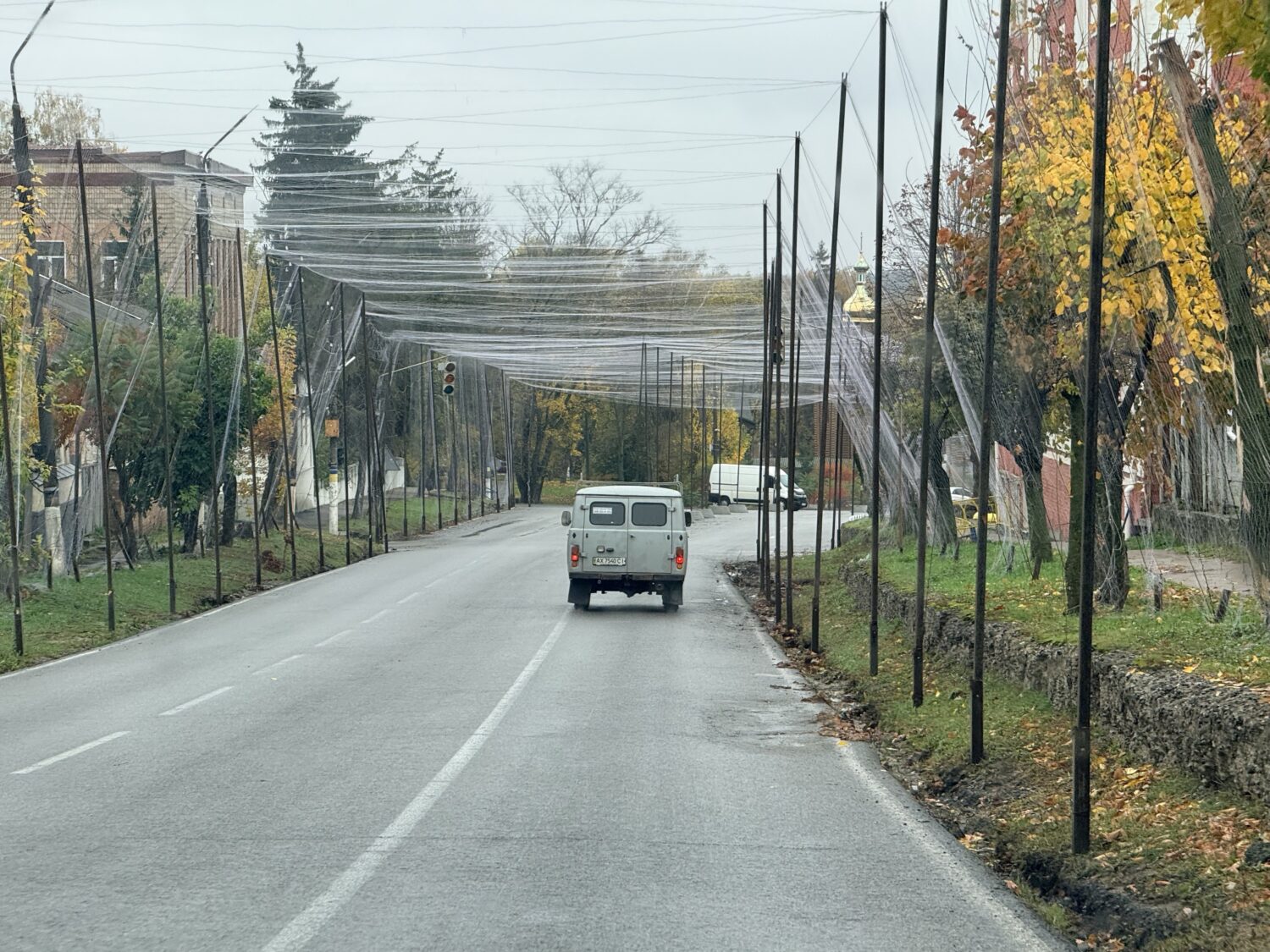
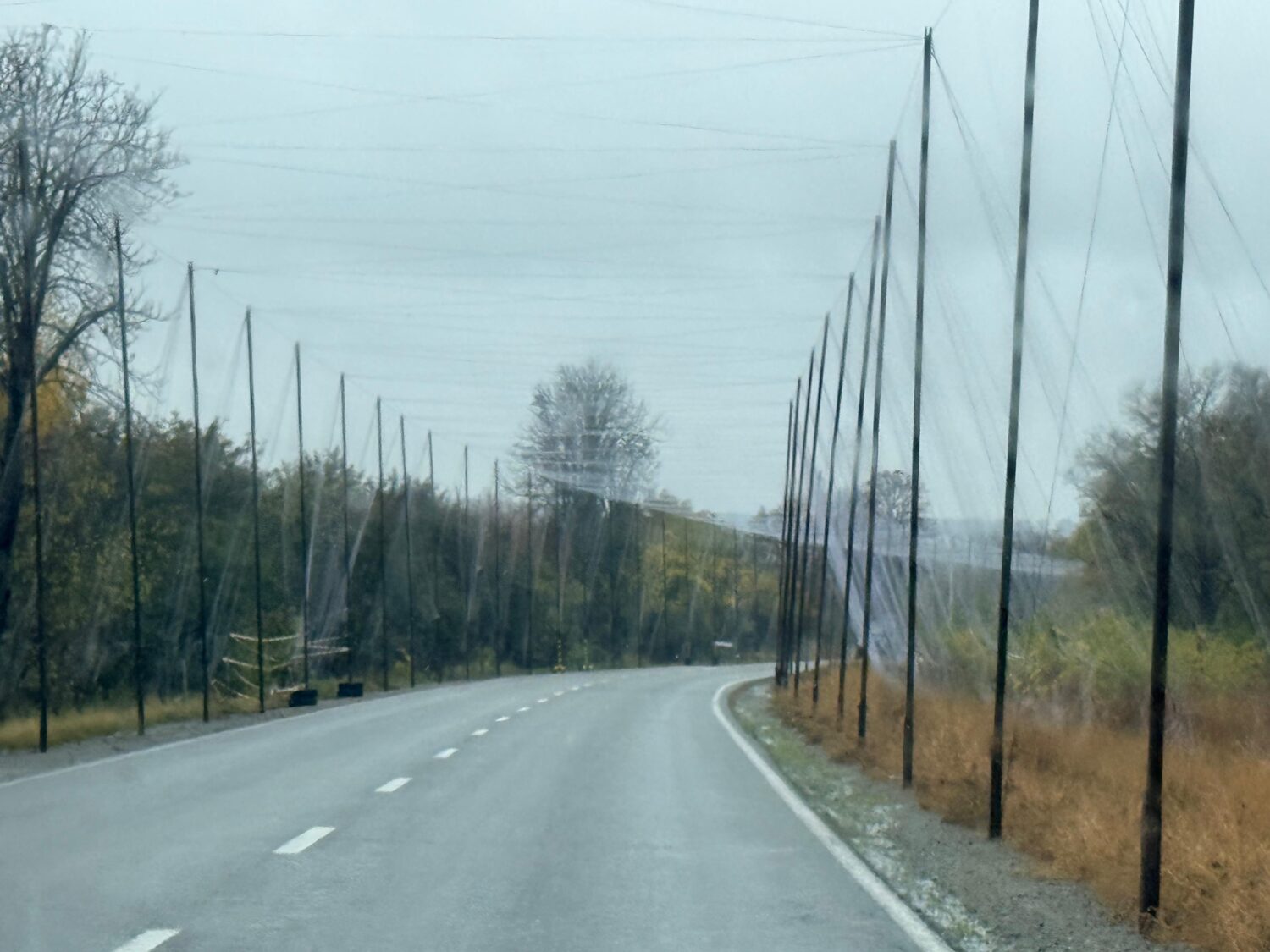
Google Maps offered two routes to the village near Bohodukhiv, and Ron checked with our colleague Mykola about which to take. We’d assumed the difference was that one was a rough village back road. It turned out that one of the routes was now considered exposed to FPV drone attacks — something that close to their base, neither of us had quite grasped the scale of until we arrived. Driving into town, we were genuinely shocked to find kilometres of drone netting strung over the road, along with new fortifications built since our last visit. Even more unsettling, the roads through the whole town — a town we’d once simply walked around together — were now covered in nets too, and the damage from Shahed drone attacks had clearly worsened since I’d last been there.
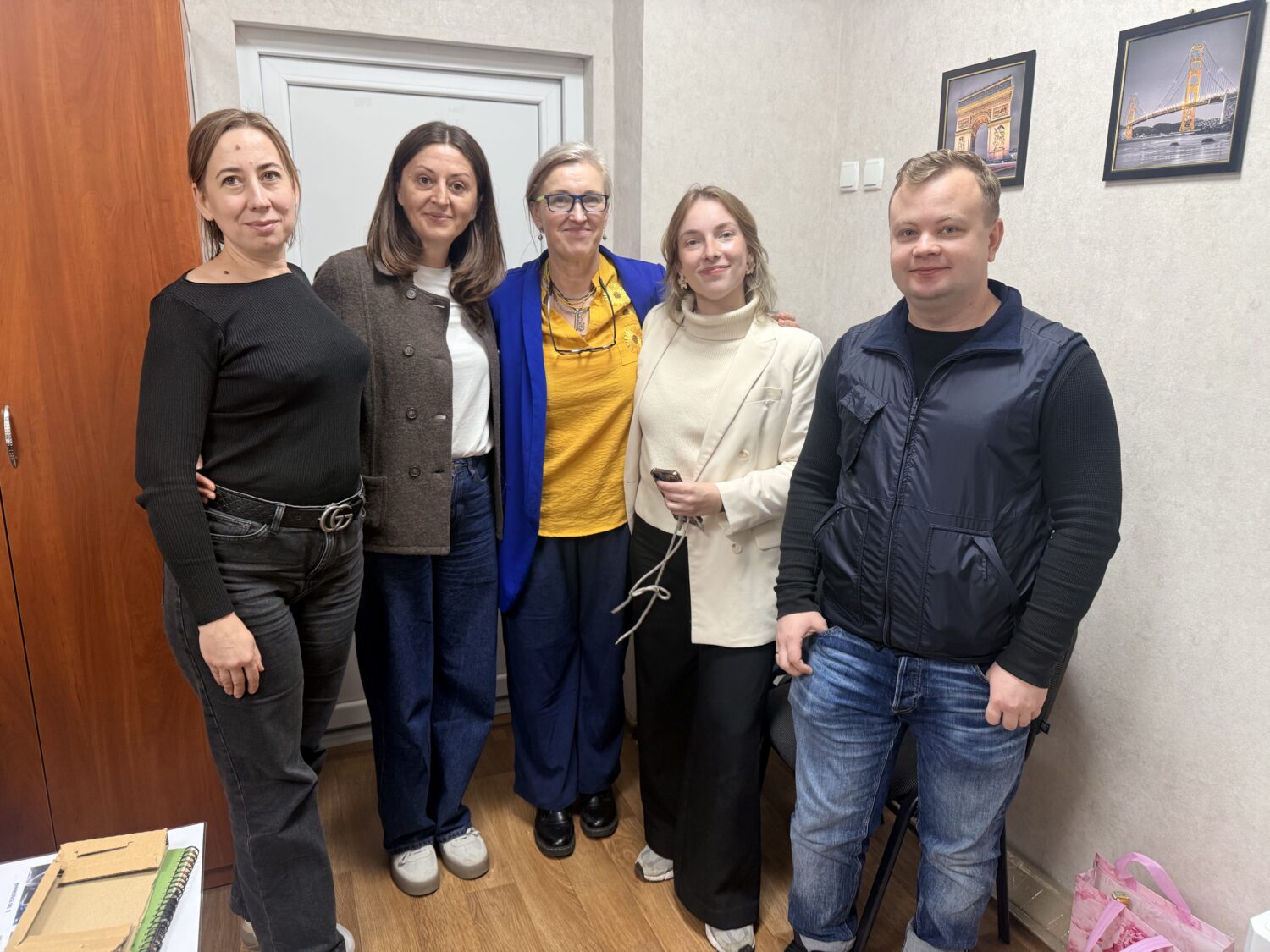
We met our translator, a fourth-year medical student who had kindly volunteered her time for the next couple of days, and went to the regional hospital, where Mykola had arranged for me to repeat the time-management talk I’d given at a doctors’ retreat a month earlier. There was a lot of discussion about the pressures on the system. The hospital itself is struggling — not in great repair, and without electricity for most of the time we were there, so we ran my laptop off our portable power station to give the presentation. Despite all that, the staff engaged fully, still turned up, still gave their time and energy to their patients, and still made room to listen to, as I put it to myself, some mad Australian talk about managing time in a building that currently has none to spare. The hospital director told me I was welcome back any time. One doctor looked at me with real, searching confusion and asked why on earth I would want to come somewhere with “shaheds, rockets, drones.” I tried to explain. I’m honestly not sure I managed to.
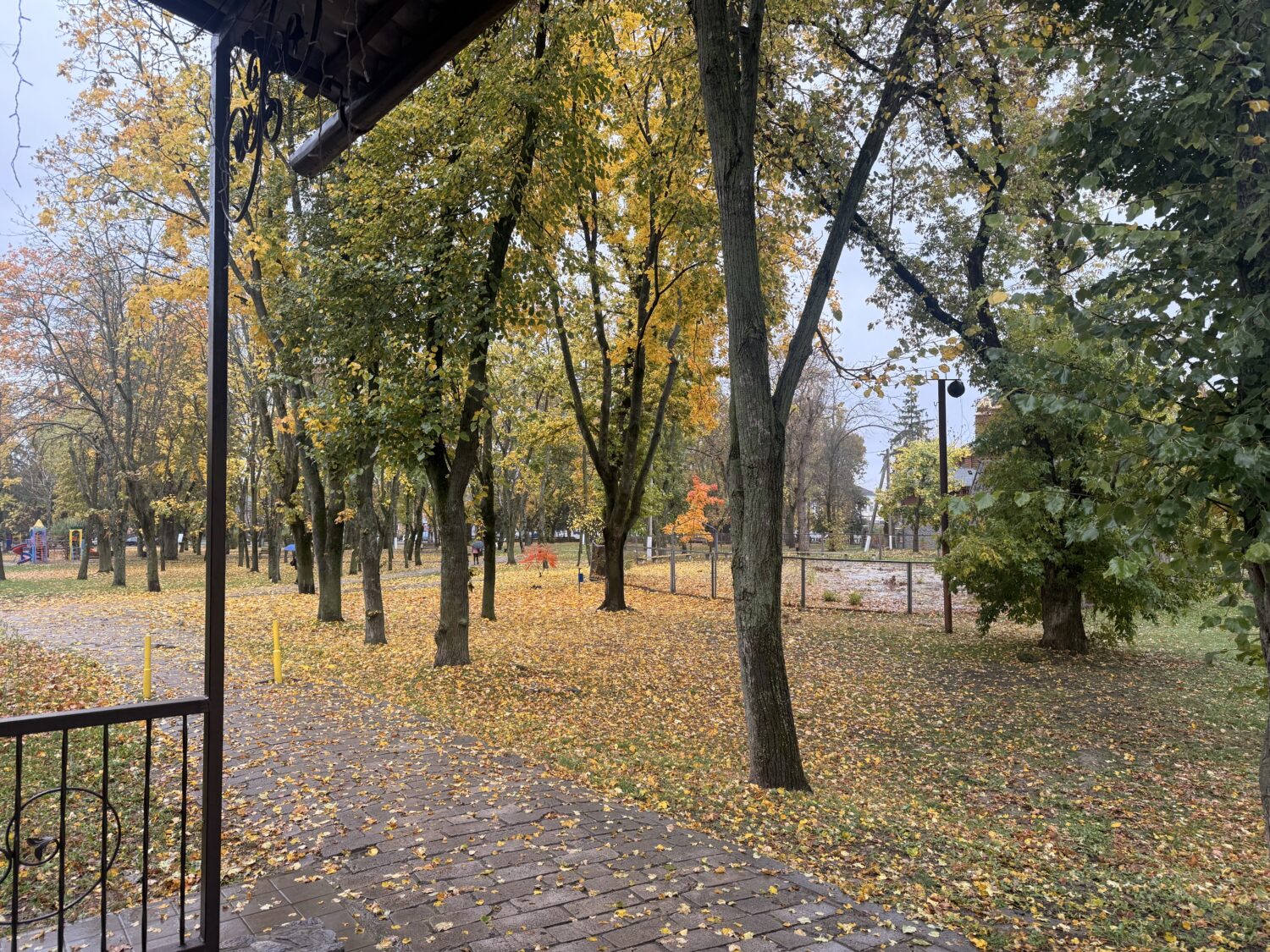
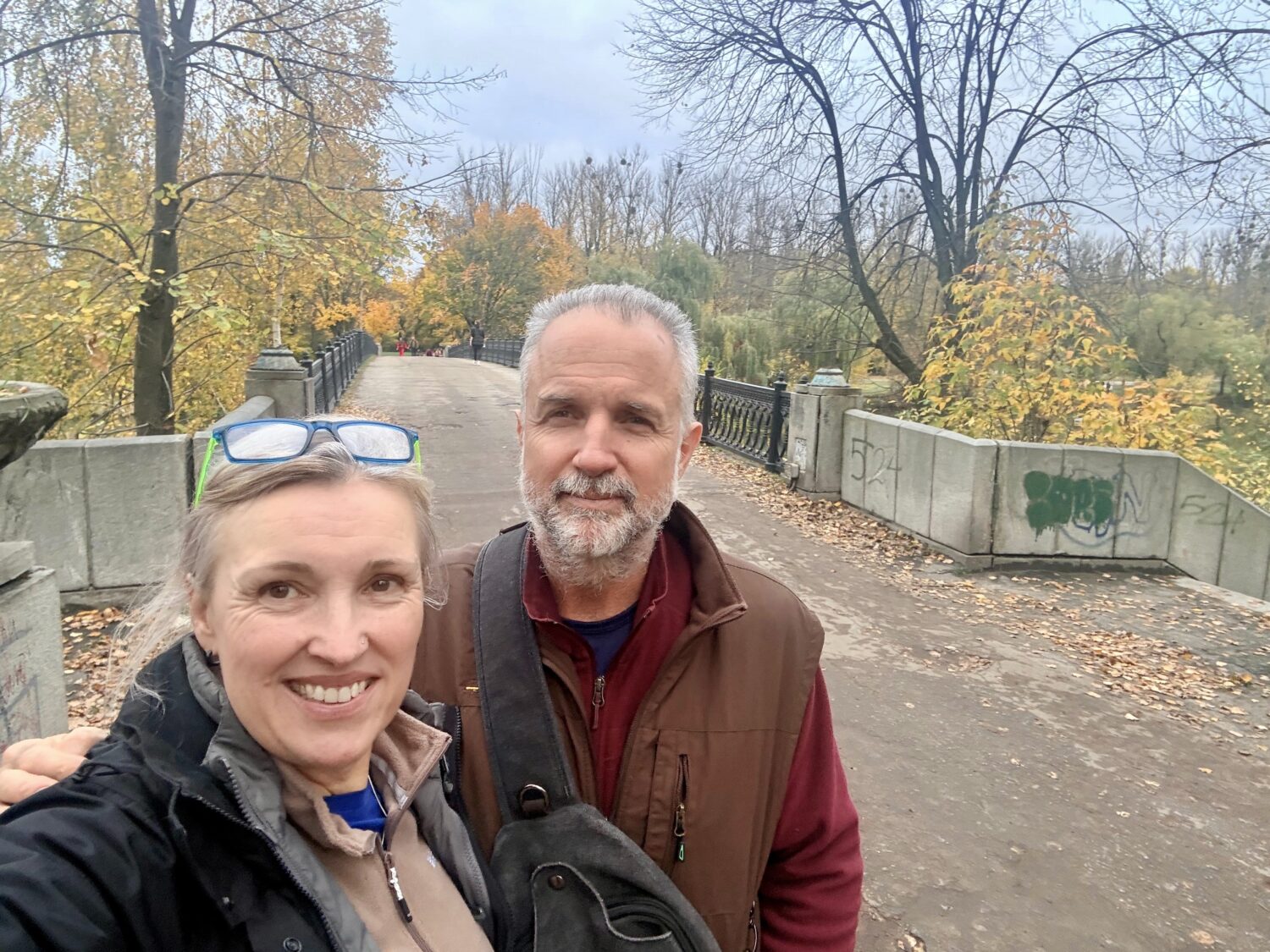
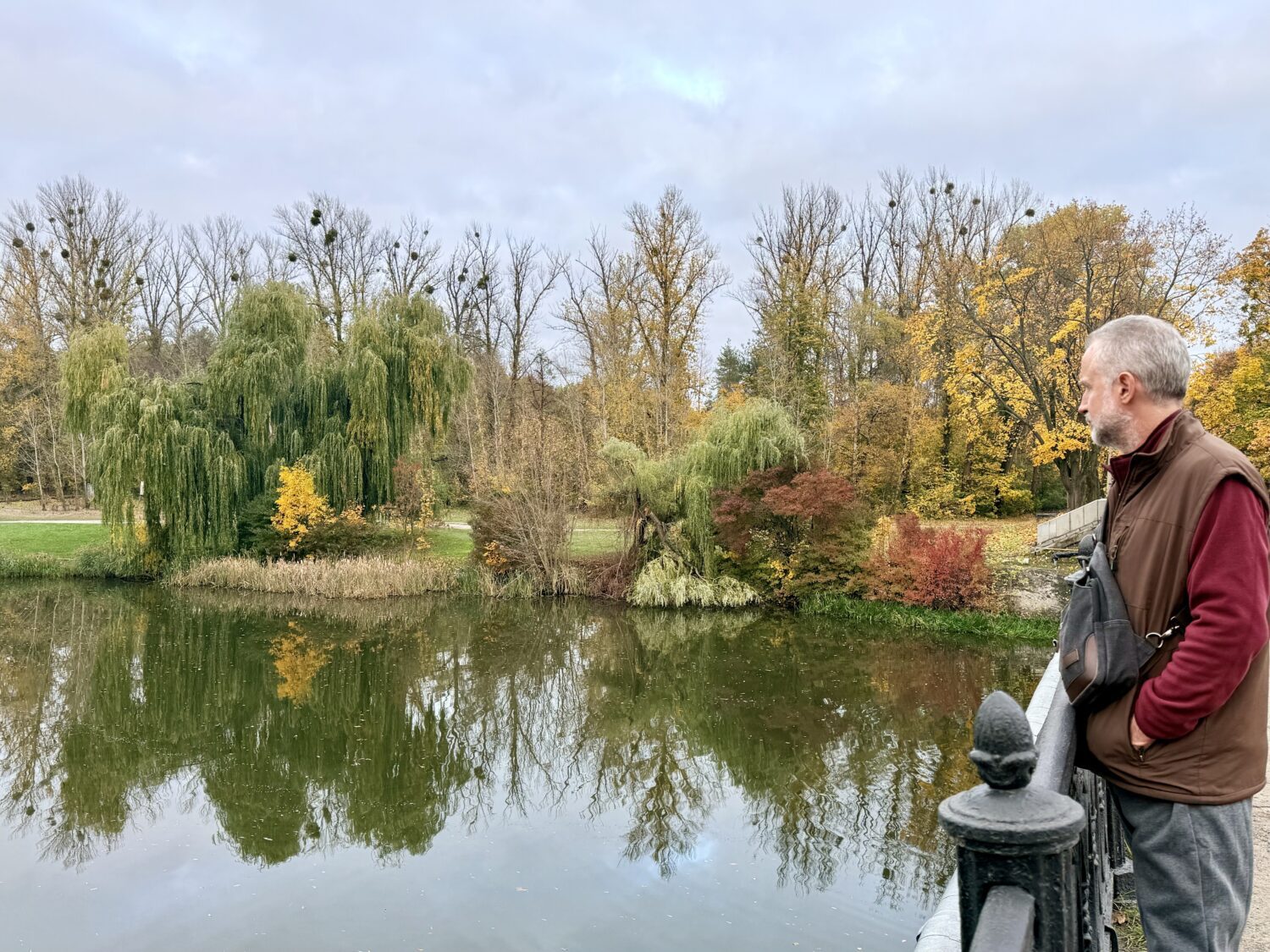
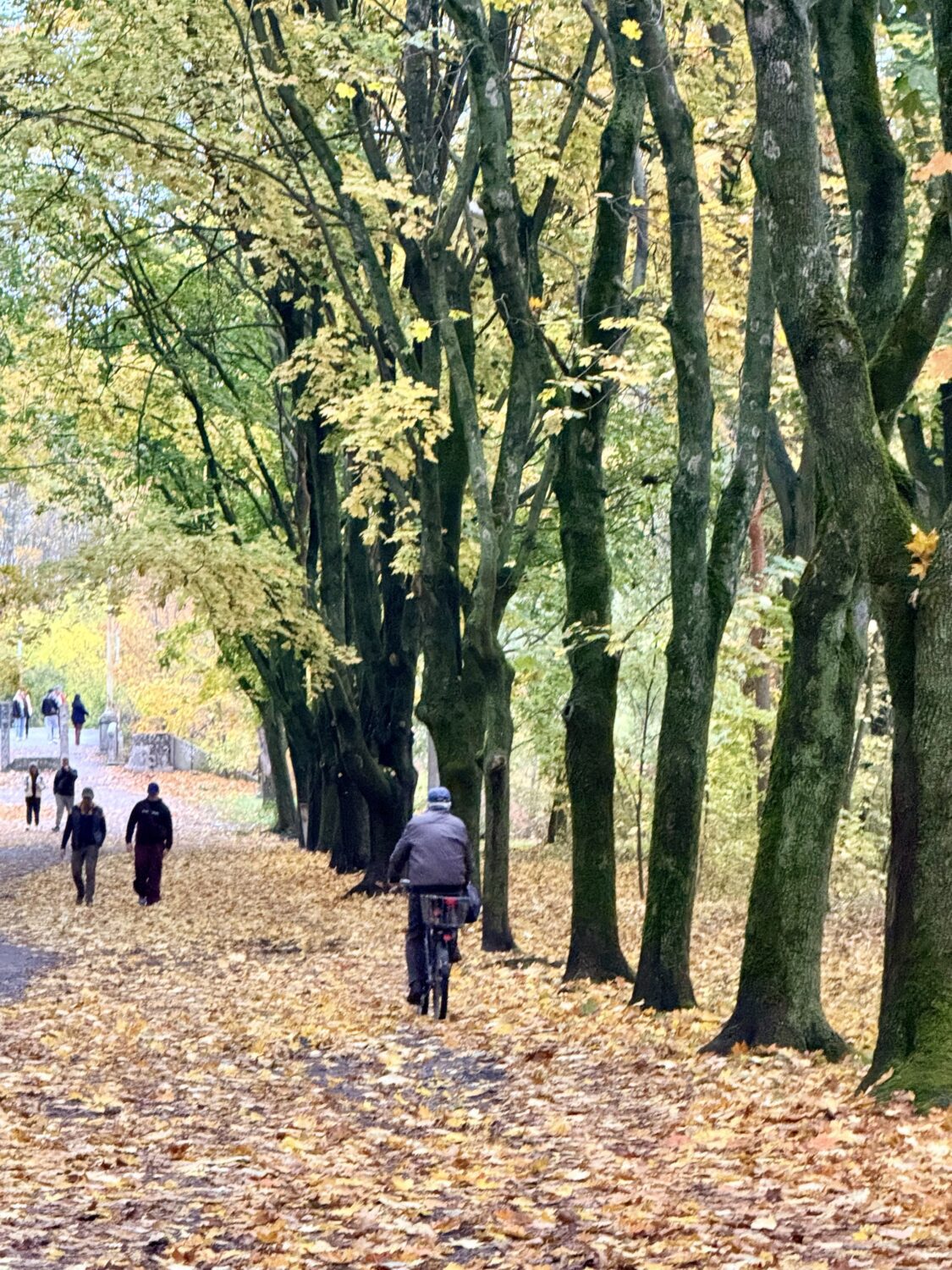
Afterwards we met up with Mykola’s wife Oksana, also a doctor, and their kids for lunch in a café in the park — lovely, familiar faces, and one of those unmistakably Ukrainian moments where you’re standing under drone nets and also admiring the autumn leaves and enjoying a beautiful lunch with friends. Both things are entirely true at once. You just learn to hold them together.
Back in Kharkiv, under almost constant air alerts, the GPS kept scrambling, making navigation nearly impossible — we lost our maps repeatedly and resorted to screenshotting routes in advance. Thankfully Ron has an excellent sense of direction and could often simply remember where we’d been.

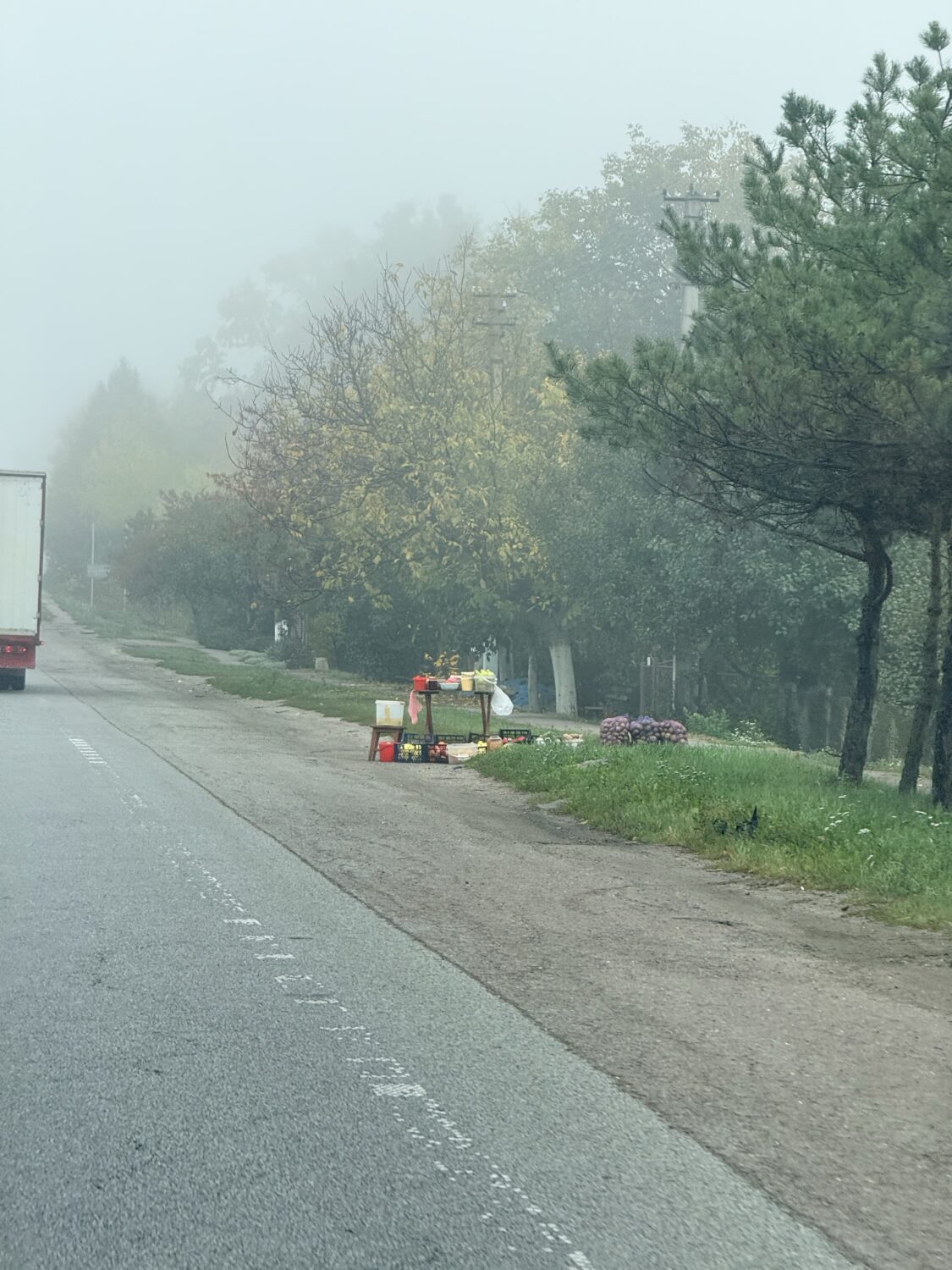
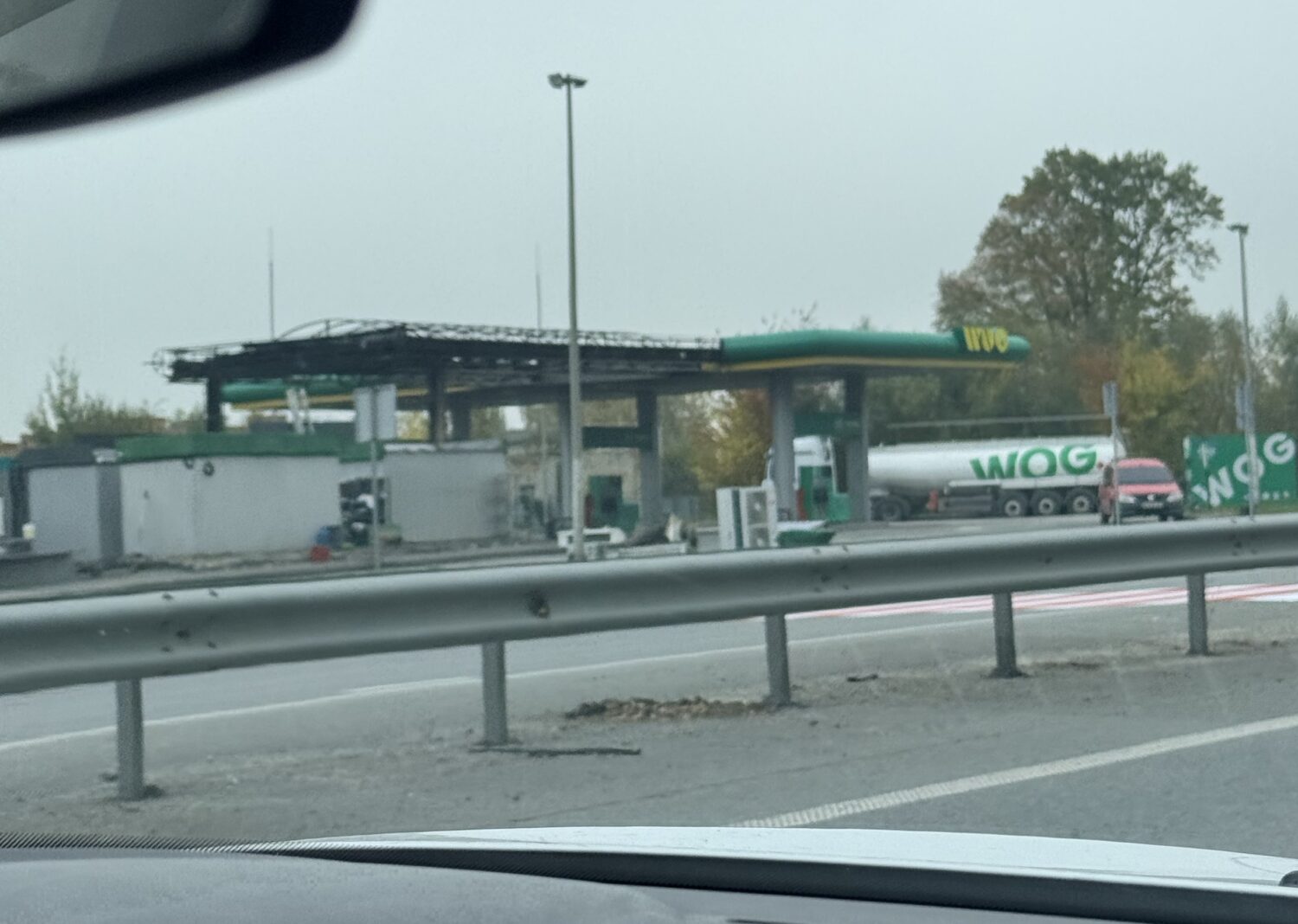
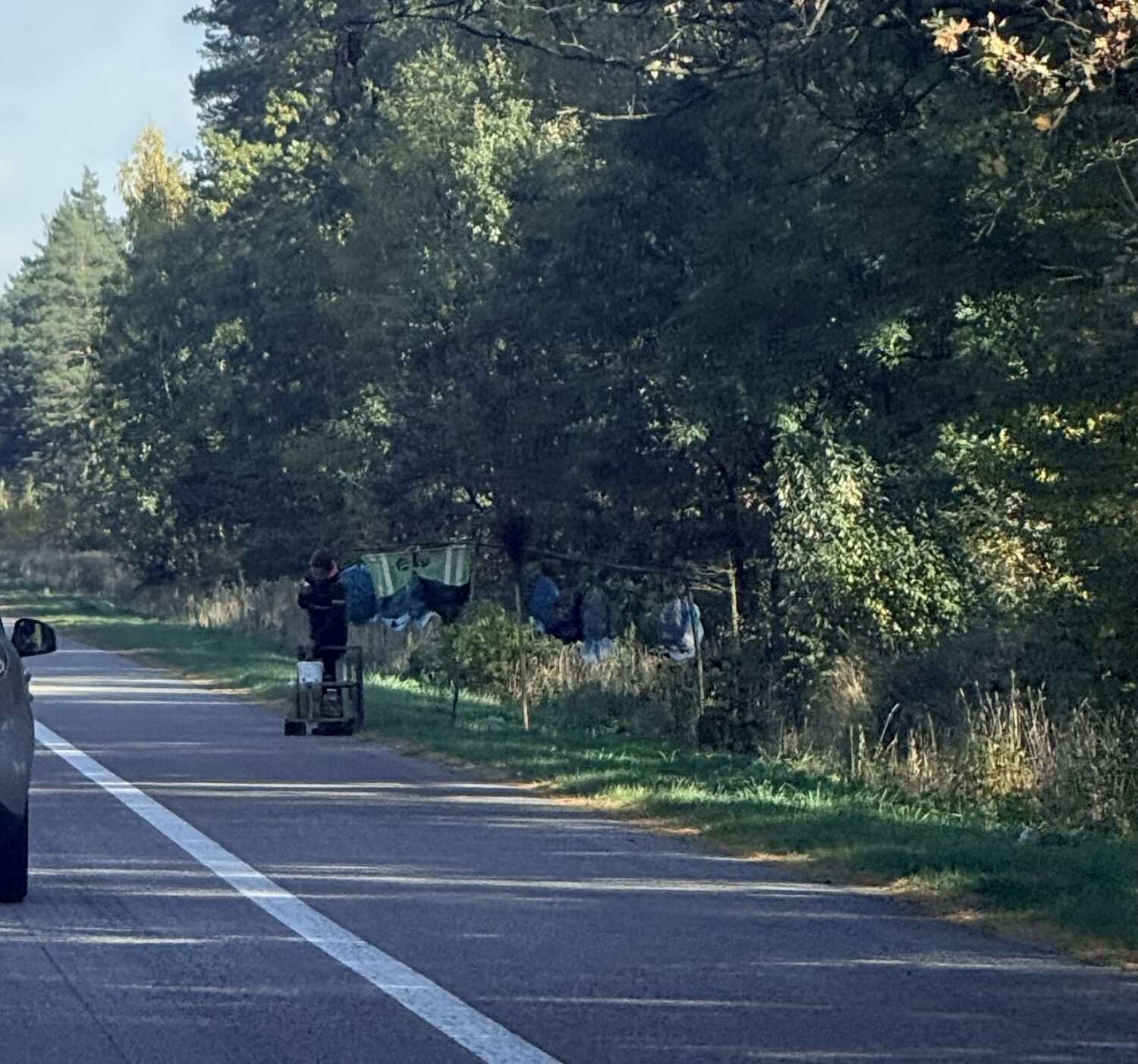
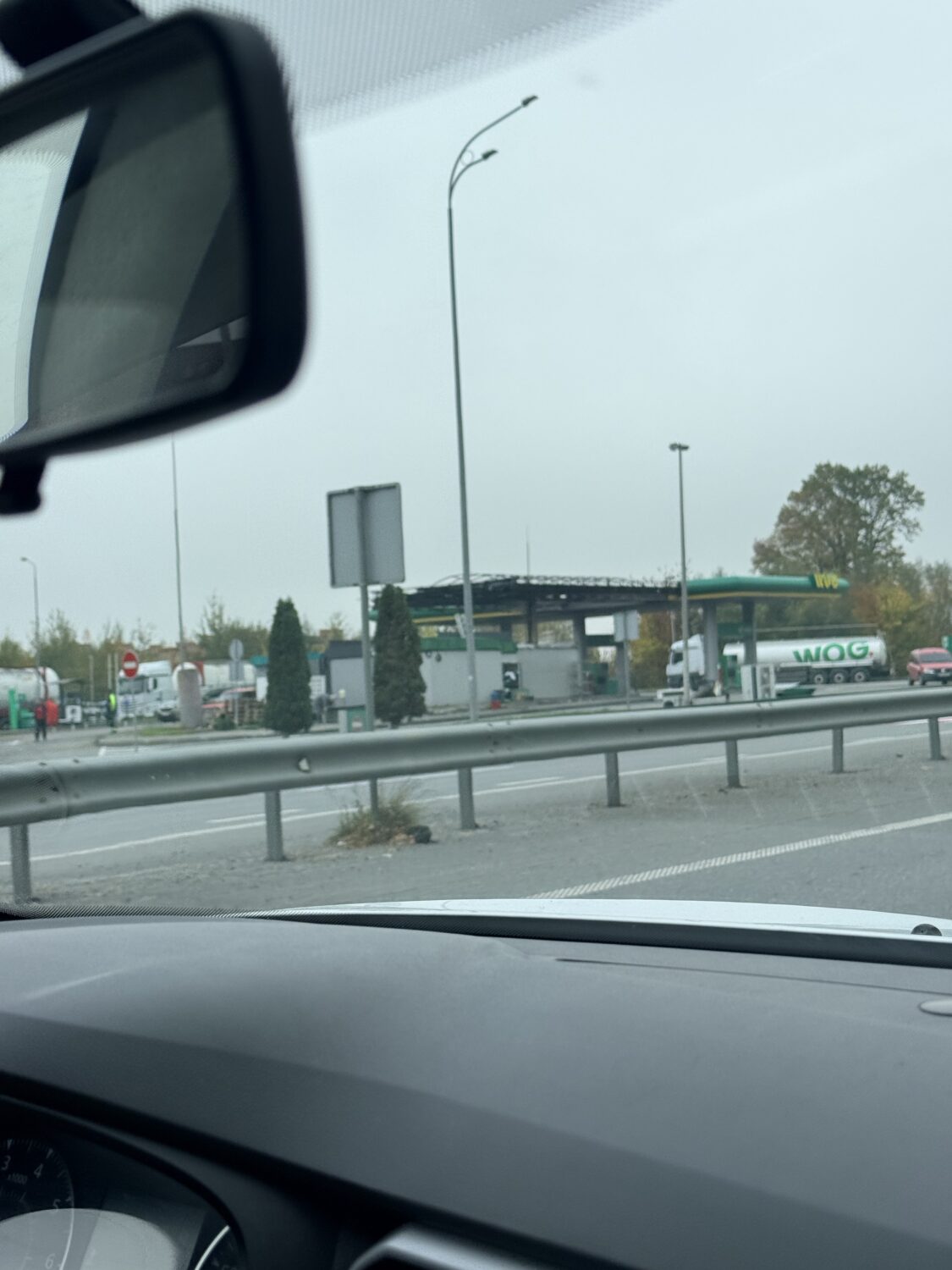
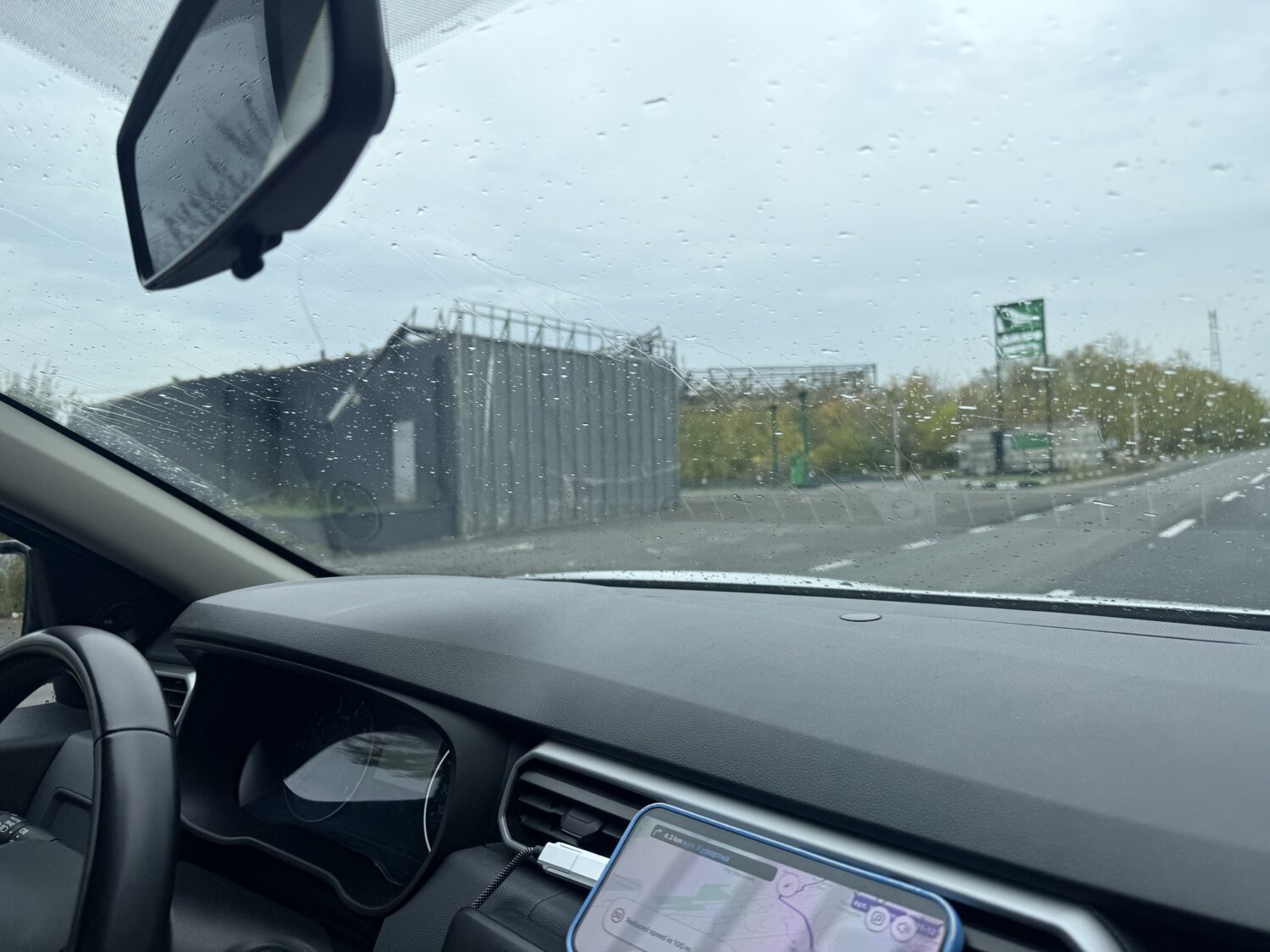
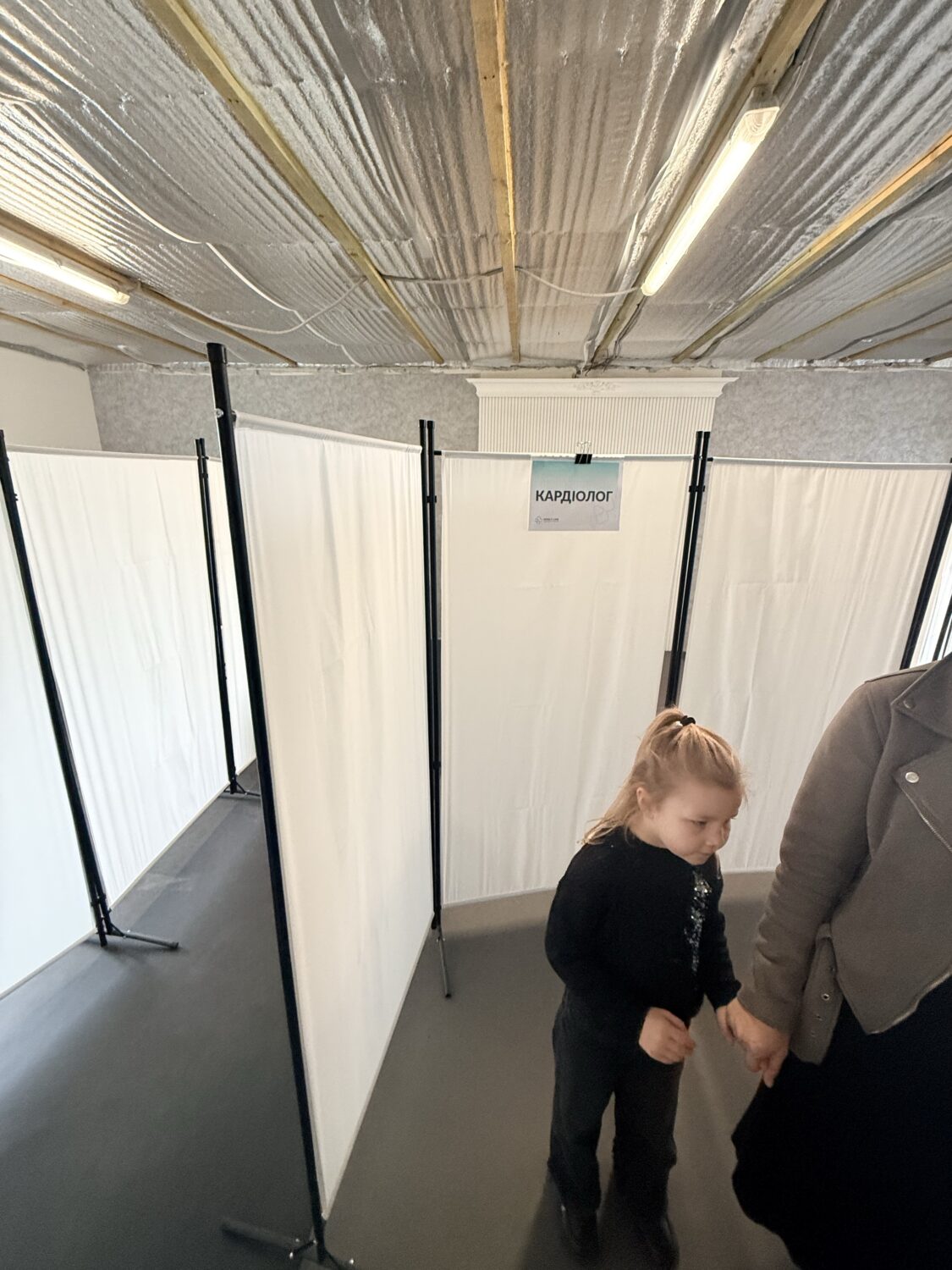
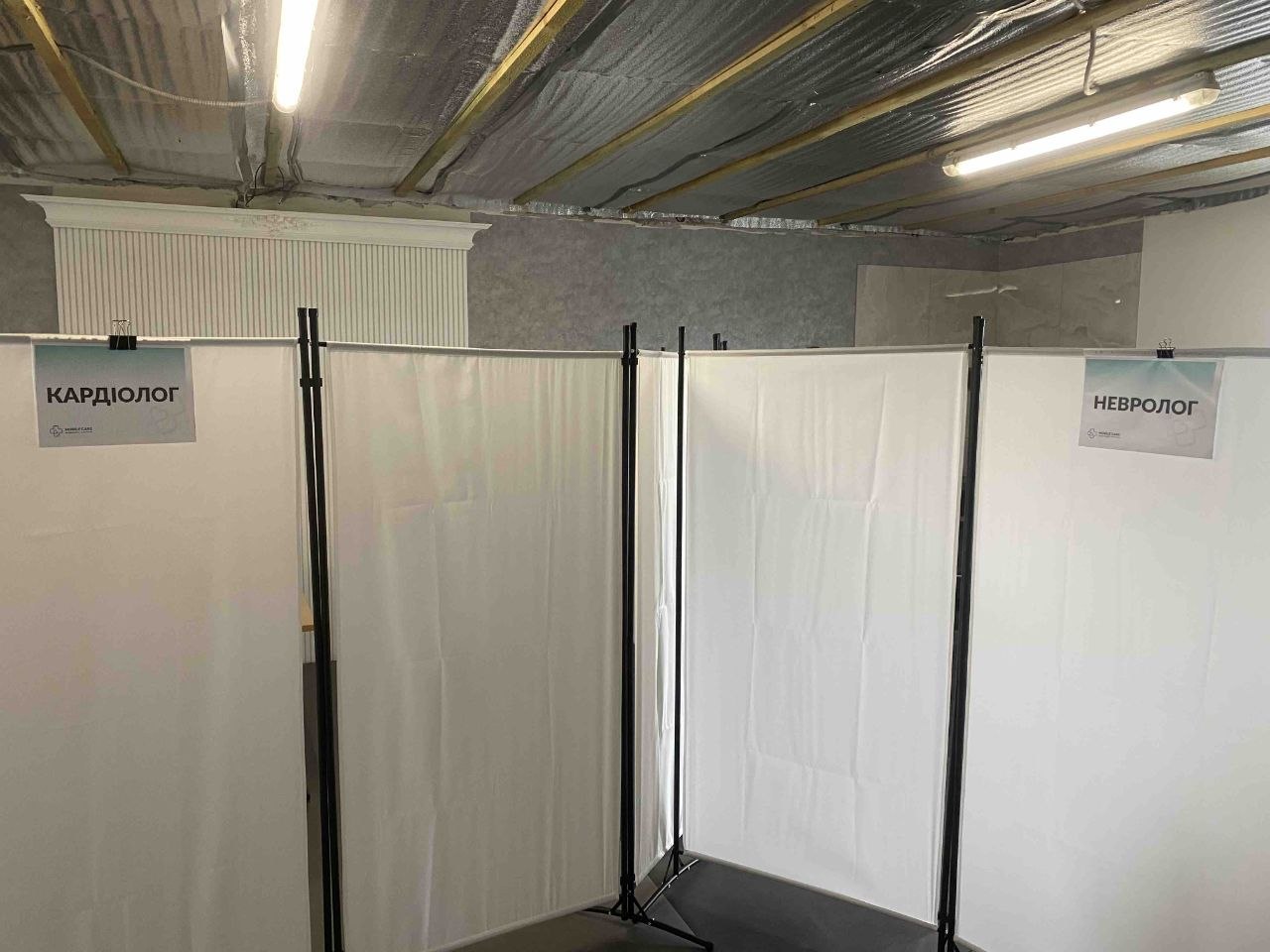
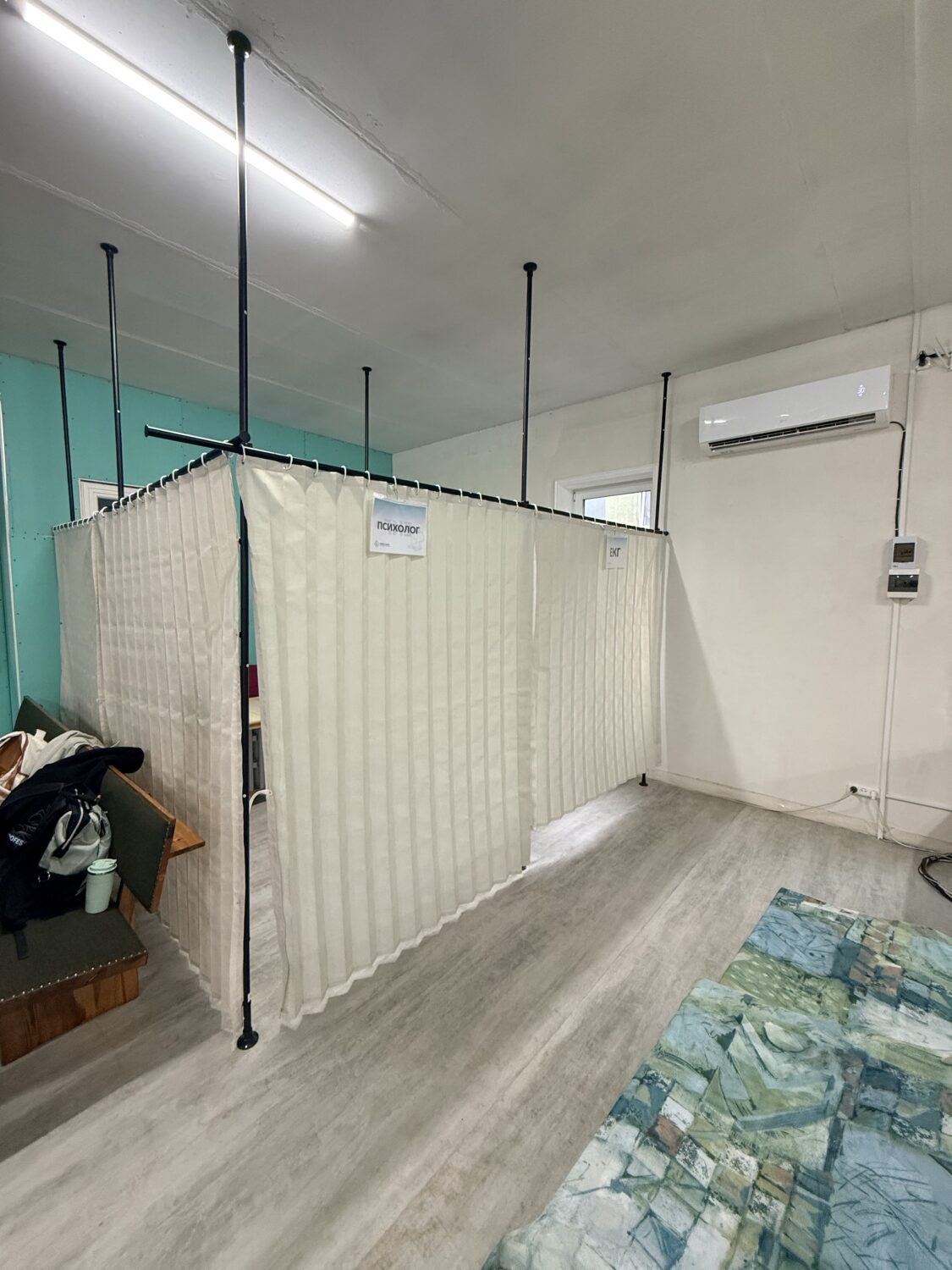
The next morning we collected our translator and drove to the village for the mobile clinic itself. Again, every petrol station along the way had been bombed, the surviving ones ringed with sandbags, concrete blocks and drone netting. We’d been to this particular village twice before; Mykola’s team visits fairly regularly, setting up in the local church. This time they didn’t need to screw rails into the pews to improvise cubicles, because they had the mobile clinic curtains OPT supporters funded last year. Mykola had collected them from the post office the day before that post office was bombed. They are enormously grateful for those curtains, and so are we — thank you again to everyone who made that possible.
It was a new experience for me, returning to the same place a second time and having two of the women recognise me from the previous visit. I’m fortunate to be reasonably good with faces, and I did remember meeting them. As always, the village ladies who volunteer at the church had cooked an extraordinary spread of homemade food, and we ate far too much of it. Dr Oksana also gave us a frame of beautiful golden honeycomb — one of my favourite things, and honey is a genuinely significant part of life here. I still find it hard to believe people with so little feel moved to give us gifts at all. It’s humbling, and more than a little embarrassing, every time.
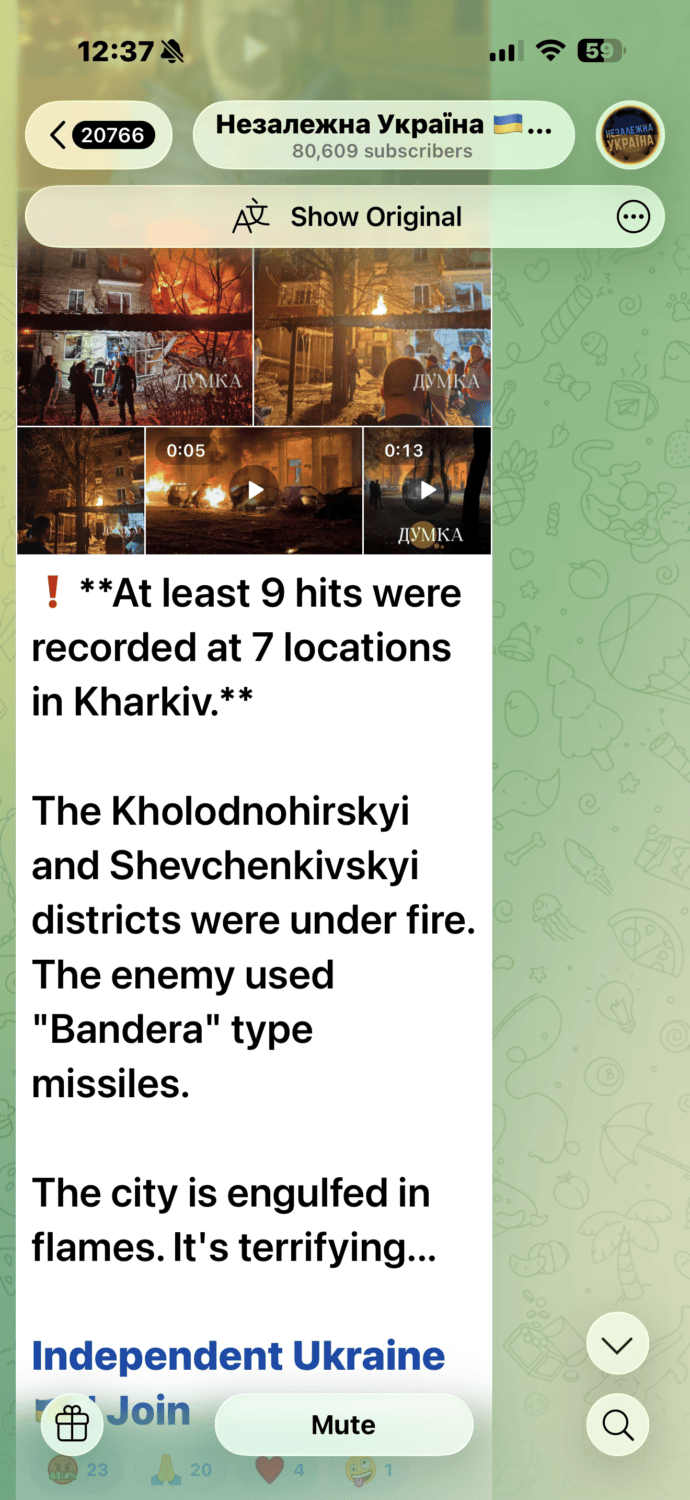
Back at our hotel in Kharkiv that evening, the missile alerts began. Then an explosion — distant at first, the next one closer. Each alert was followed by an explosion within about two minutes; that’s the warning window here, two minutes between siren and impact. Nine missiles hit Kharkiv over roughly forty minutes that night. One blast was loud and close enough that we felt the floor shake.The rumble went on for a few seconds and we later learned that it was KAB bomb. It seemed like the alert came about 30 seconds before that one hit. People were killed and injured in the city. We slept in the hotel bomb shelter to avoid running up and down all night and managed some rest — though not everyone in that city was so lucky.
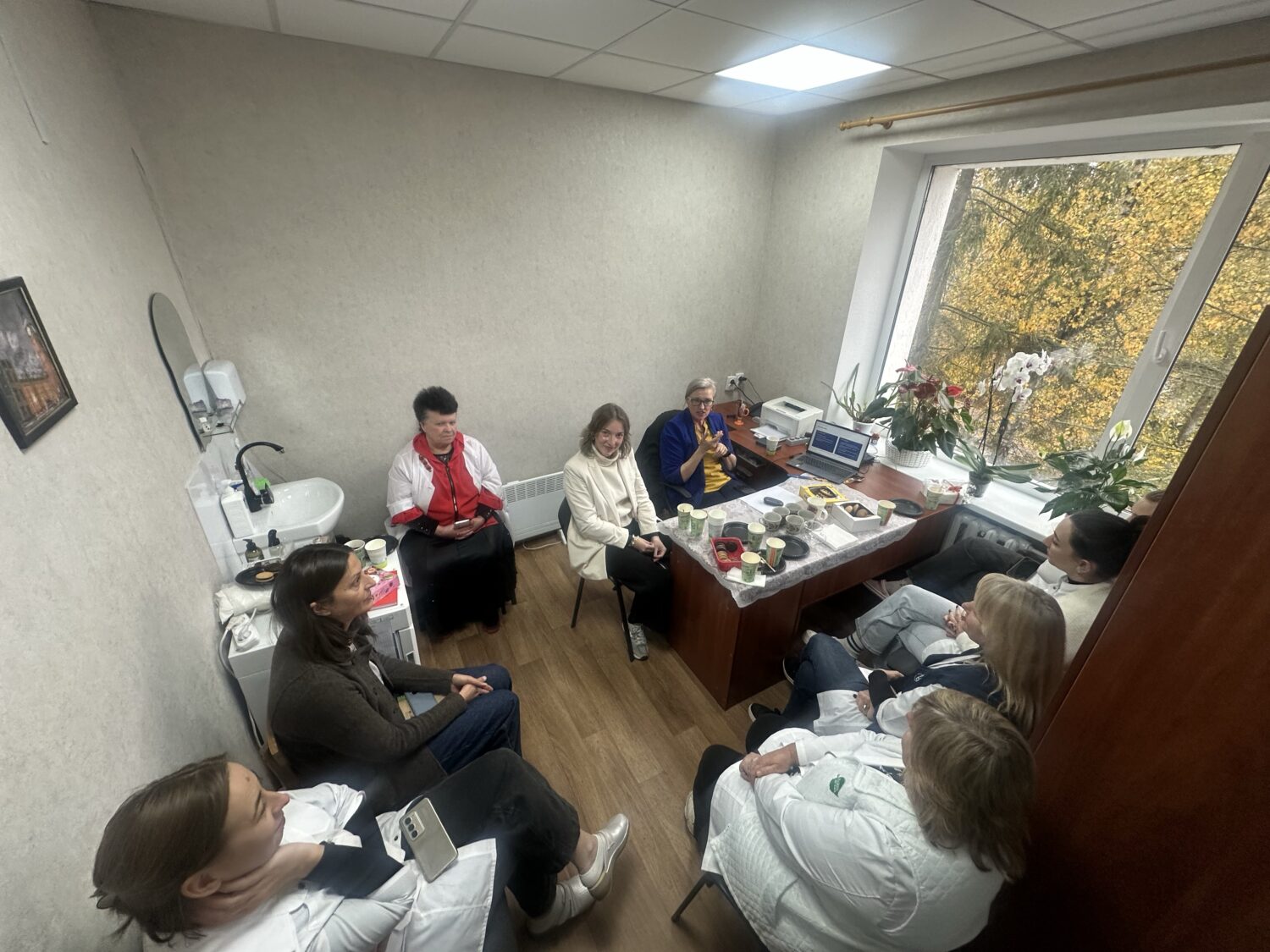
On the Saturday we went back to the village for a reflective practice workshop with the team — a topic they’d requested on our two previous visits but had always been too exhausted to fit in. This time they cleared the whole day for it. It’s an important practice for building resilience and heading off burnout, and it was very well received, with genuinely good discussion, delivered as always to a background of regular air raid sirens. We also used the time to hand over and debrief on some of the patients we’d seen at the clinic the day before. That evening, around seven, we heard shahed explosions in the city. You learn to plan your movements around the alerts here: never go to the petrol station during one, never go anywhere near a shopping centre — both are favourite targets.
That night in Kharkiv the alerts behaved strangely – several times they didn’t come at all – we just heard the explosions and then reports of hits. It made us wonder if this was connected to reports that the US had stopped sharing intel that is used to provide warnings of incoming strikes.
We still managed some sleep but it was regularly broken. Waking up quite tired I wondered again how people can live like this. But then that is the point. Russia wants to break the Ukrainians, break their spirit, make their cities unliveable and make them want to surrender. It is so cruel.
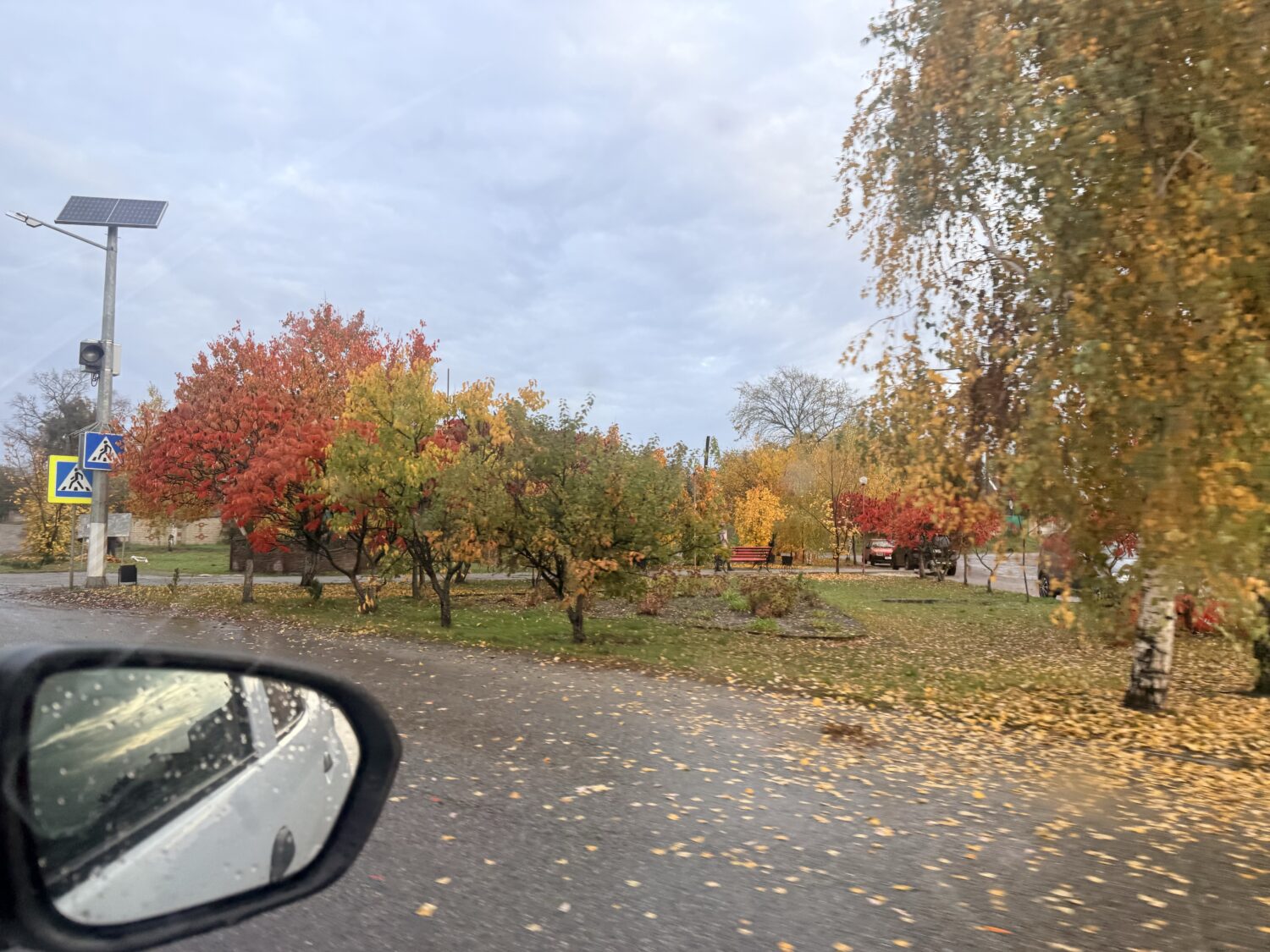
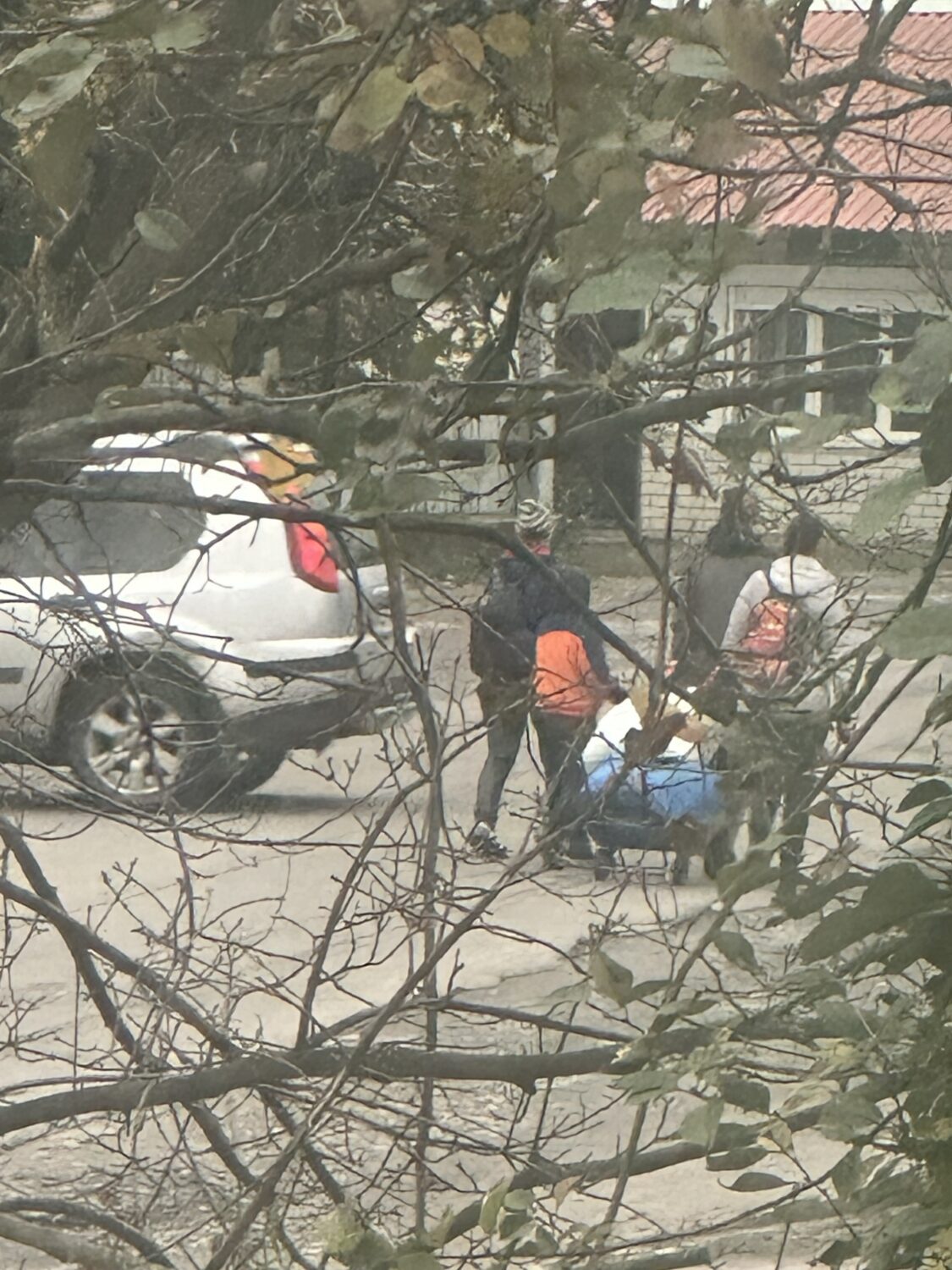
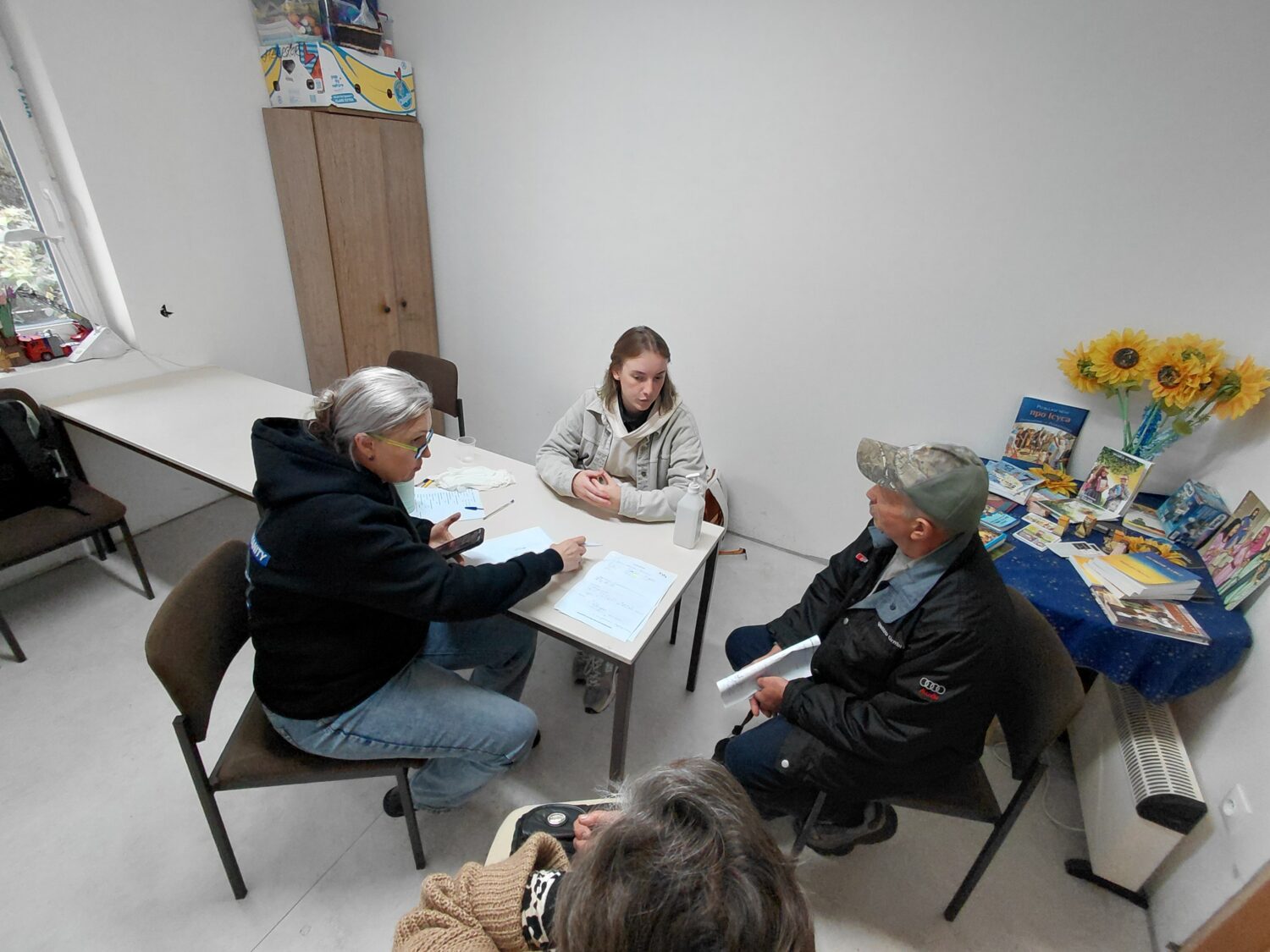
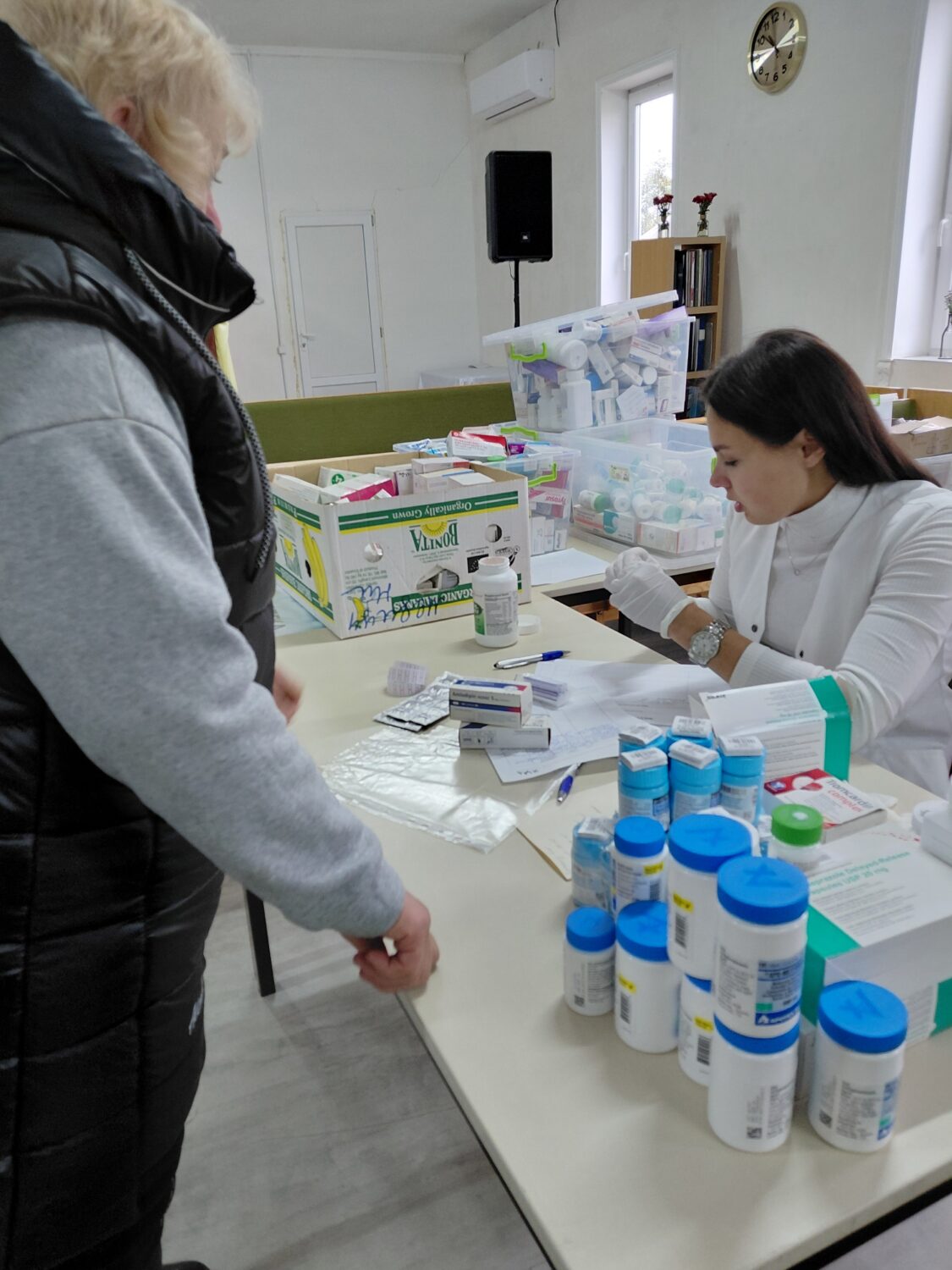
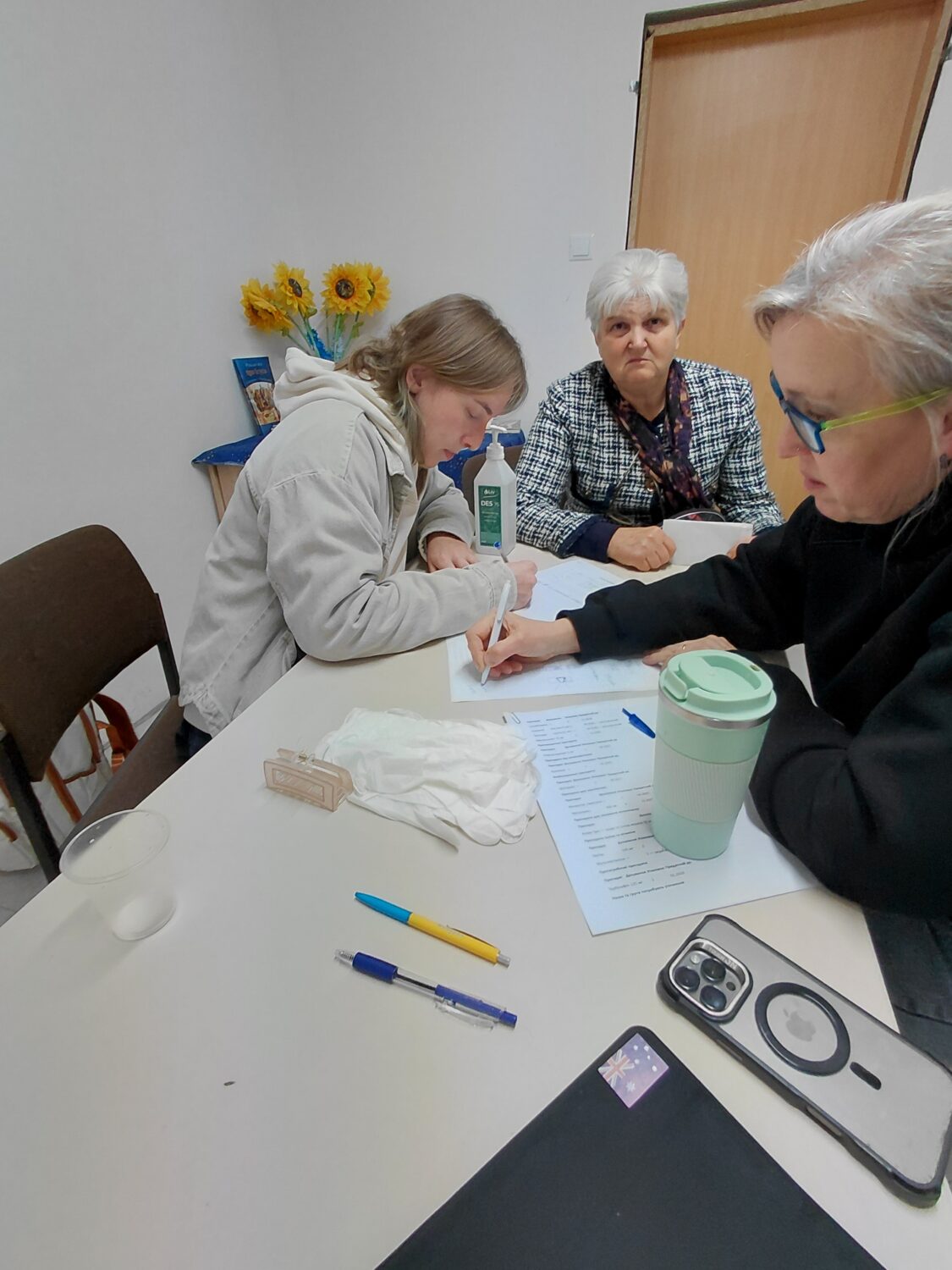
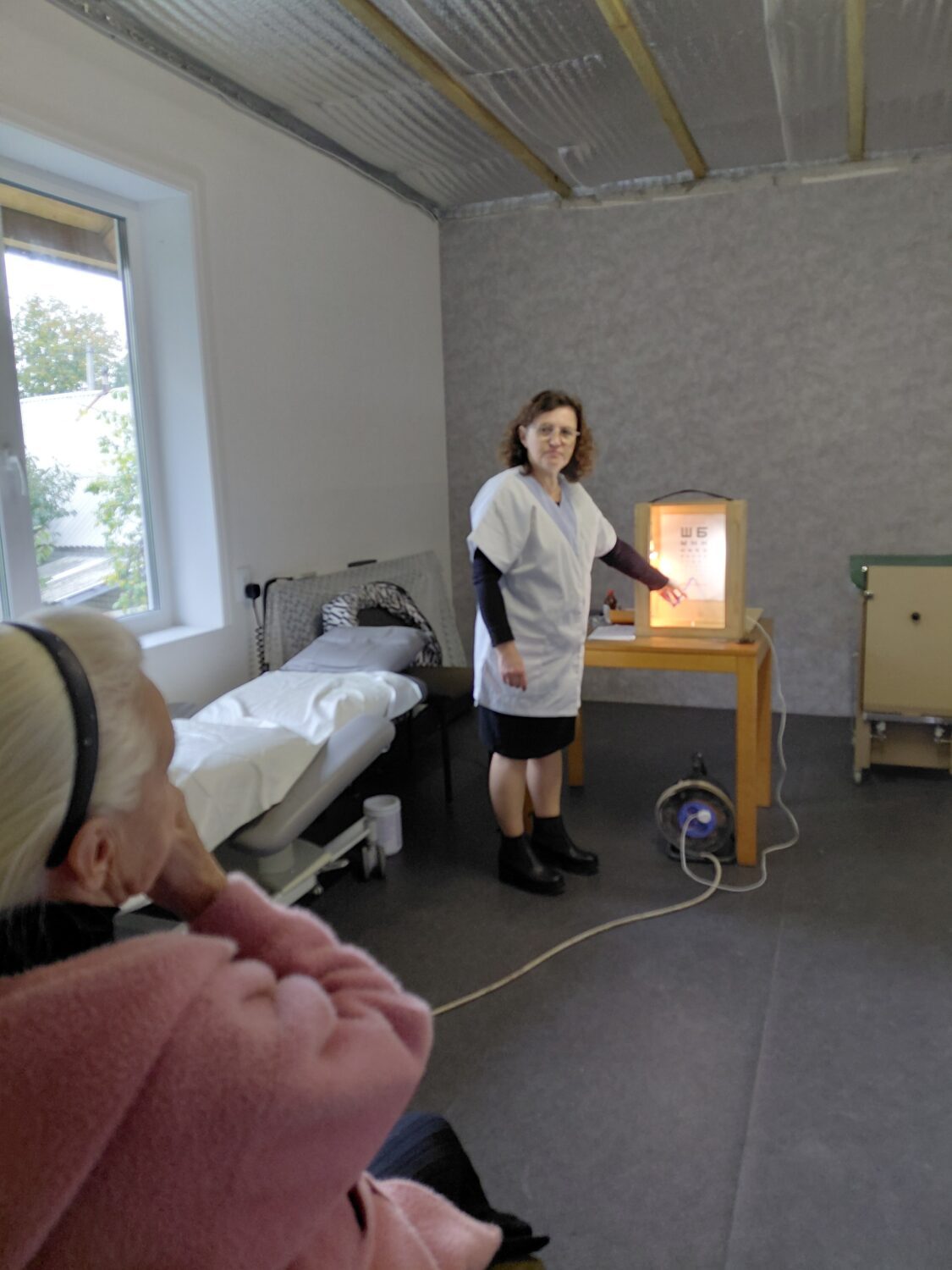
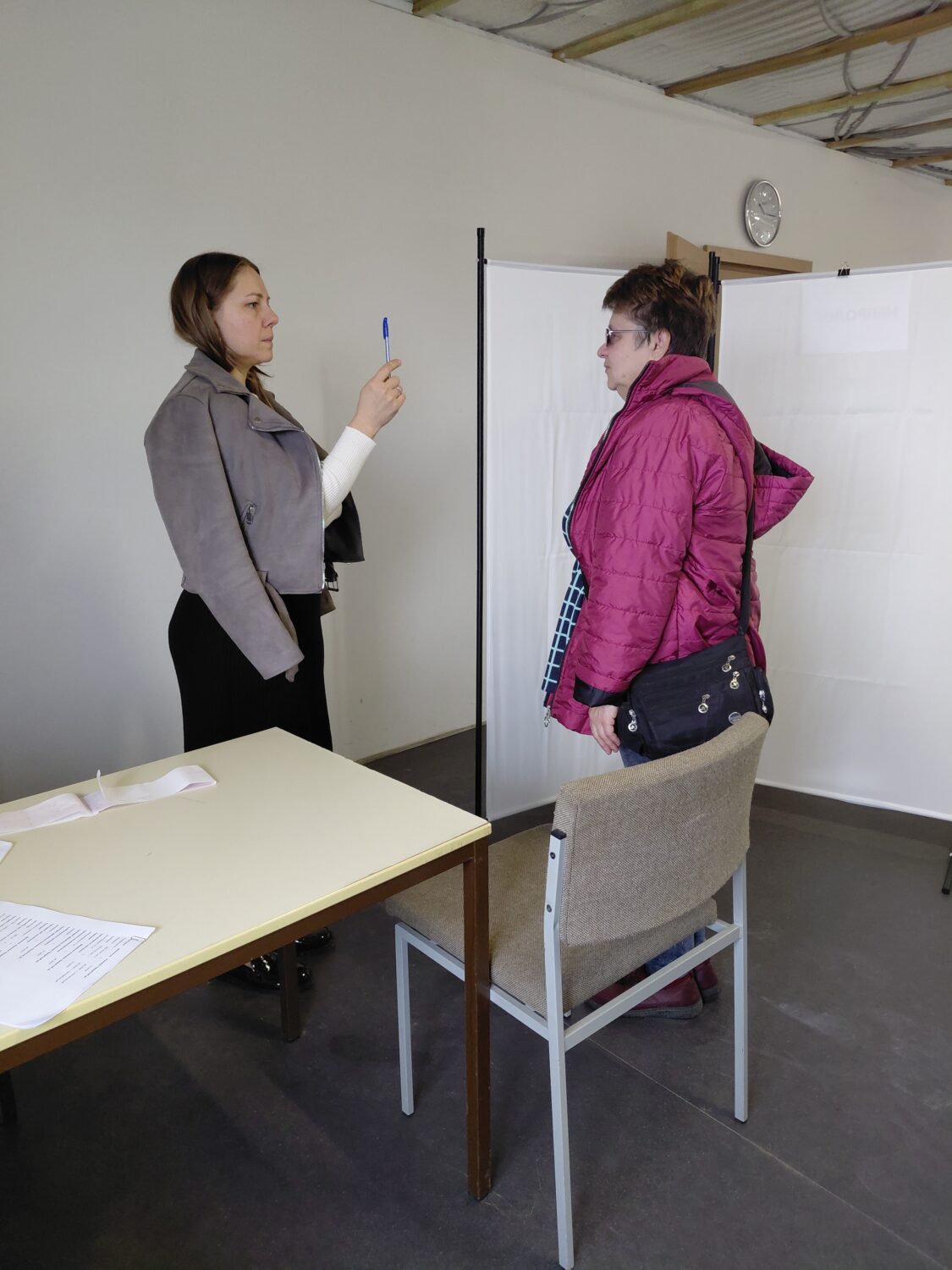
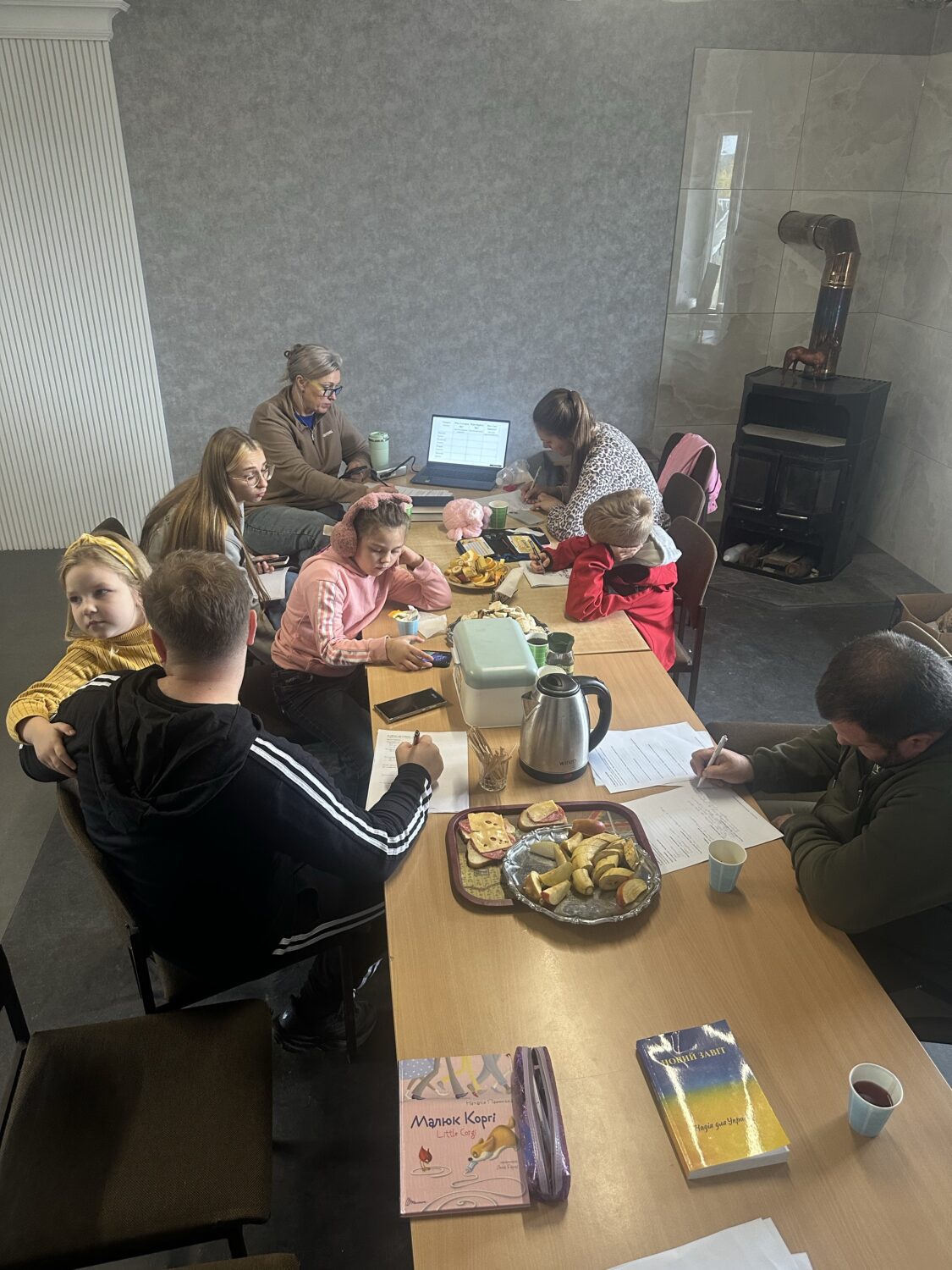
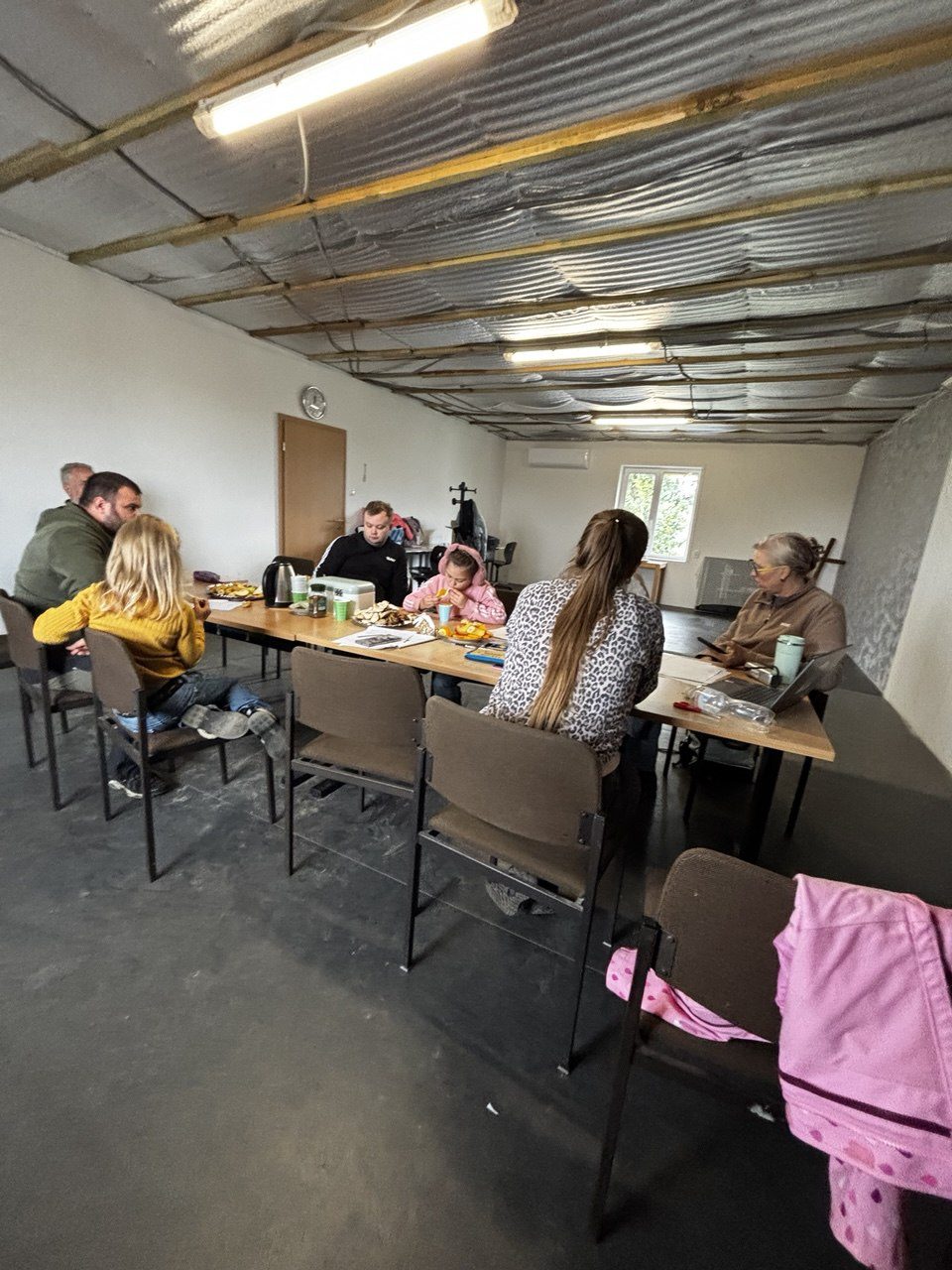
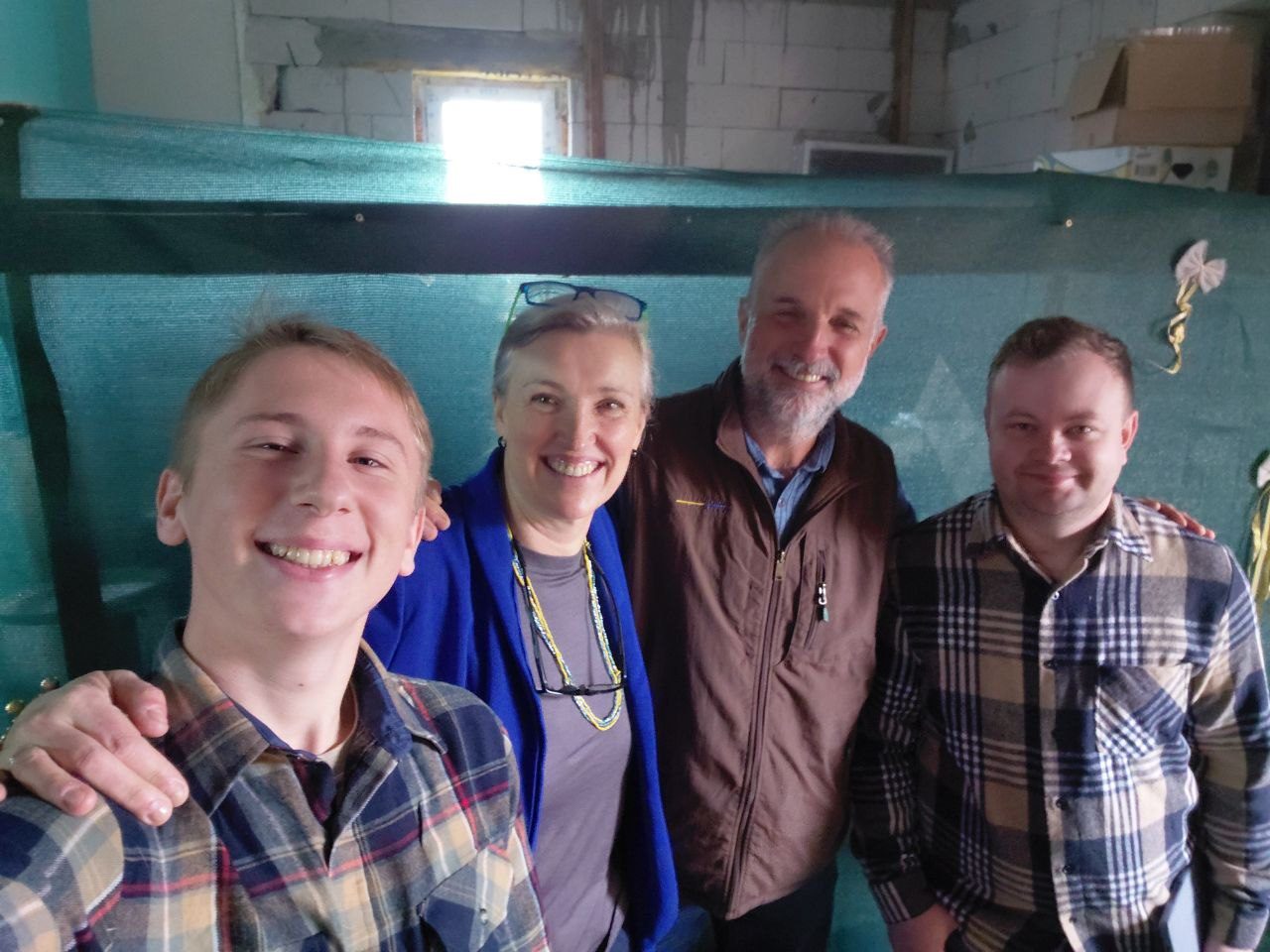
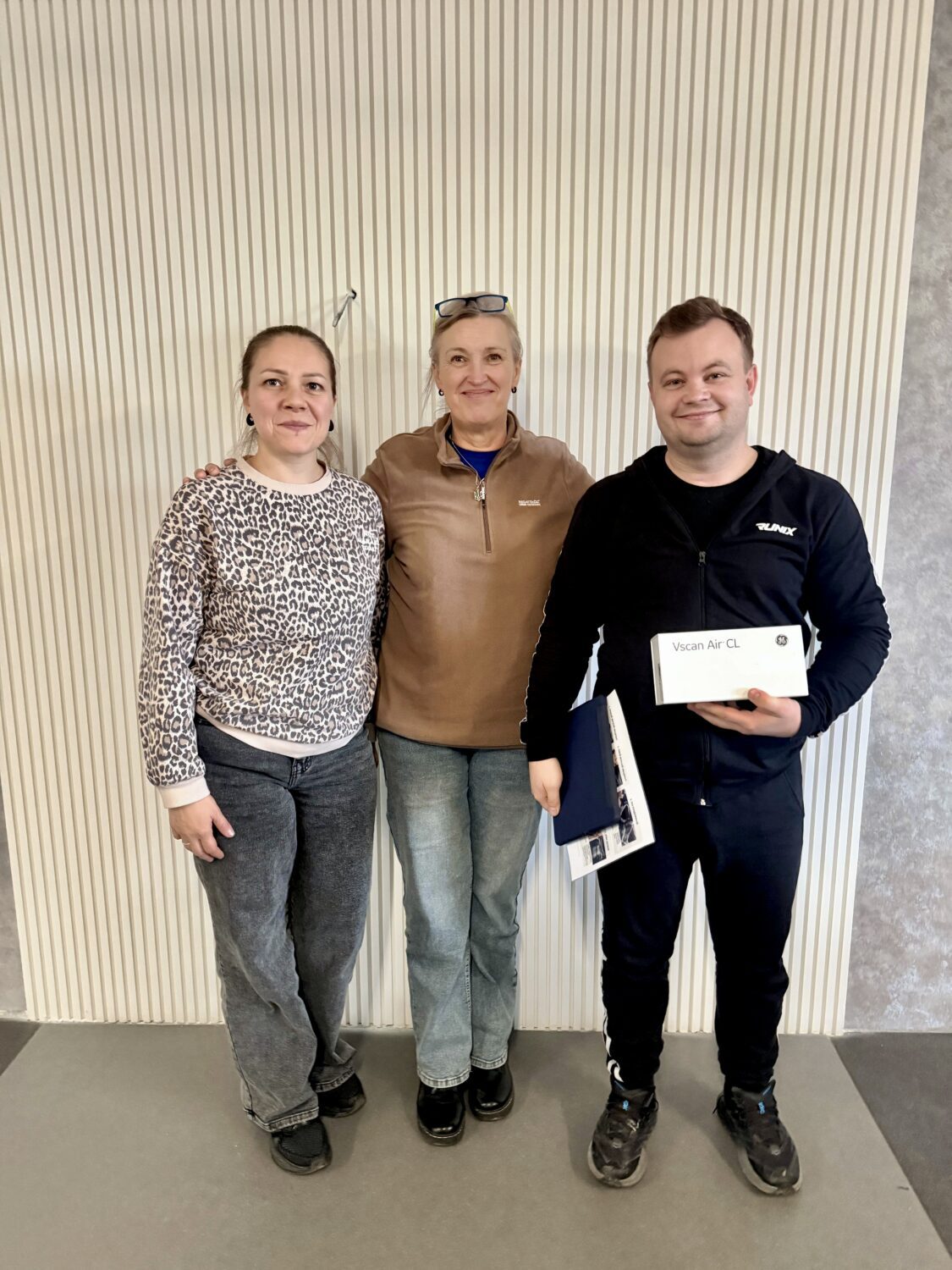
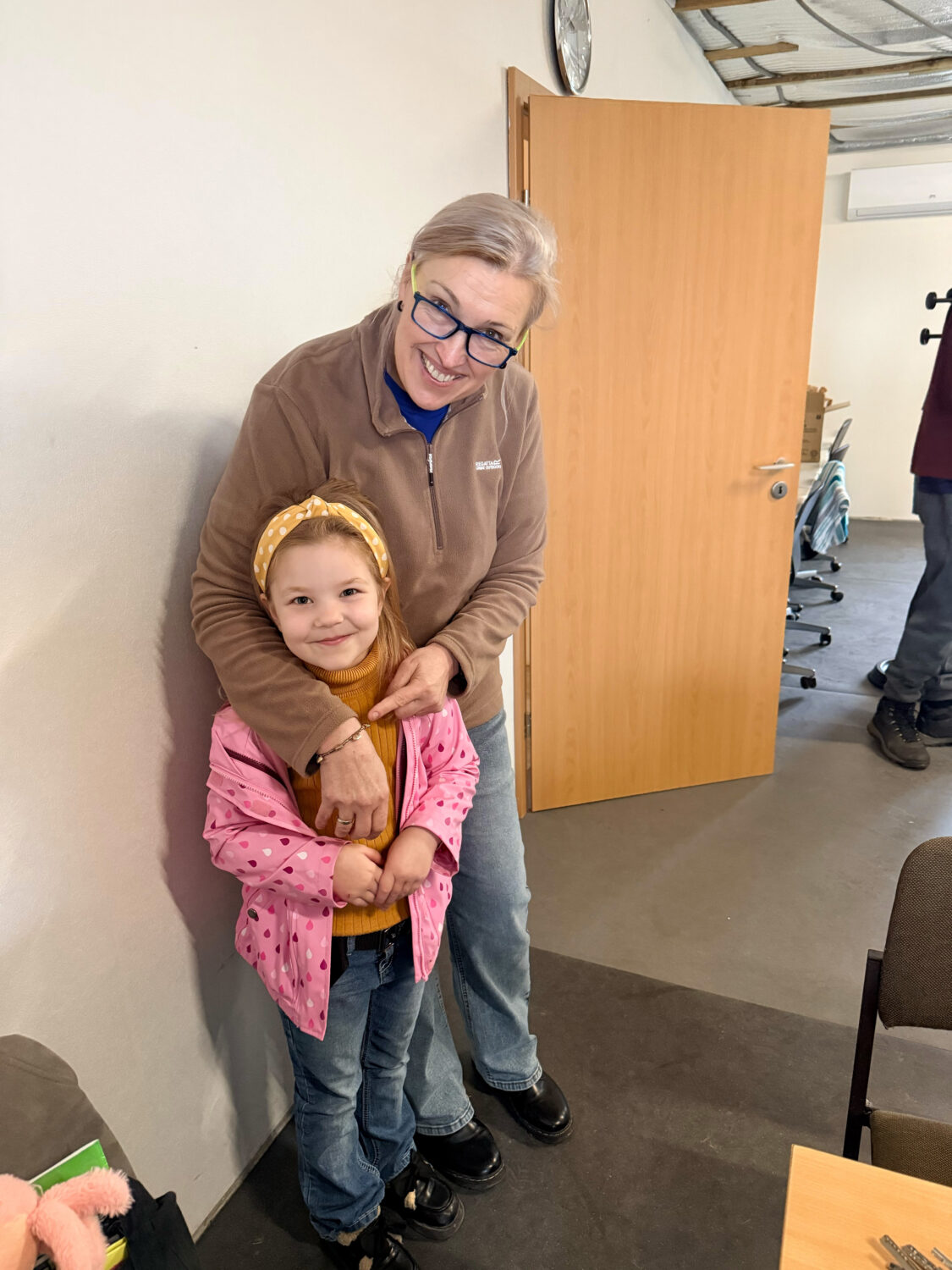
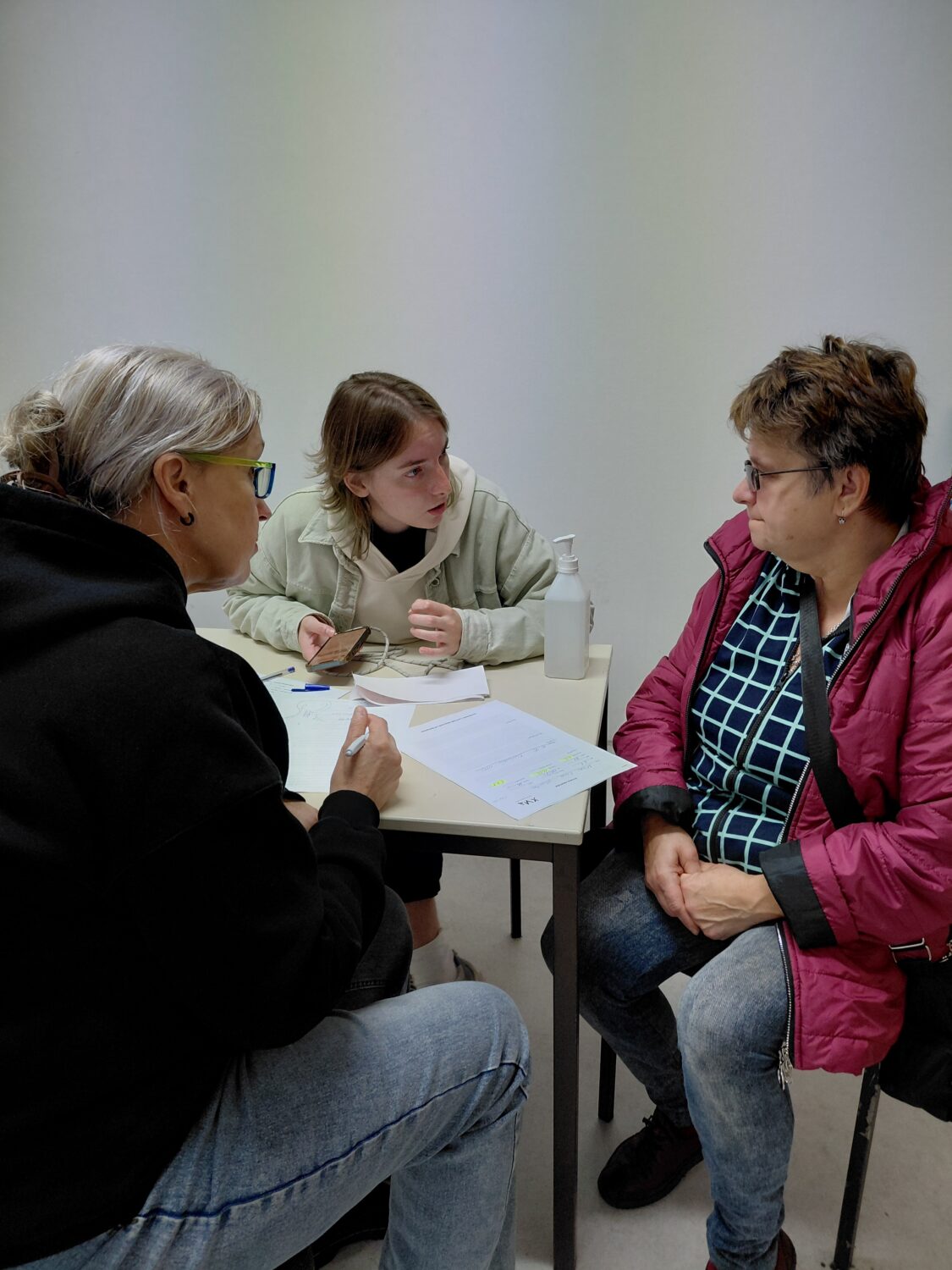
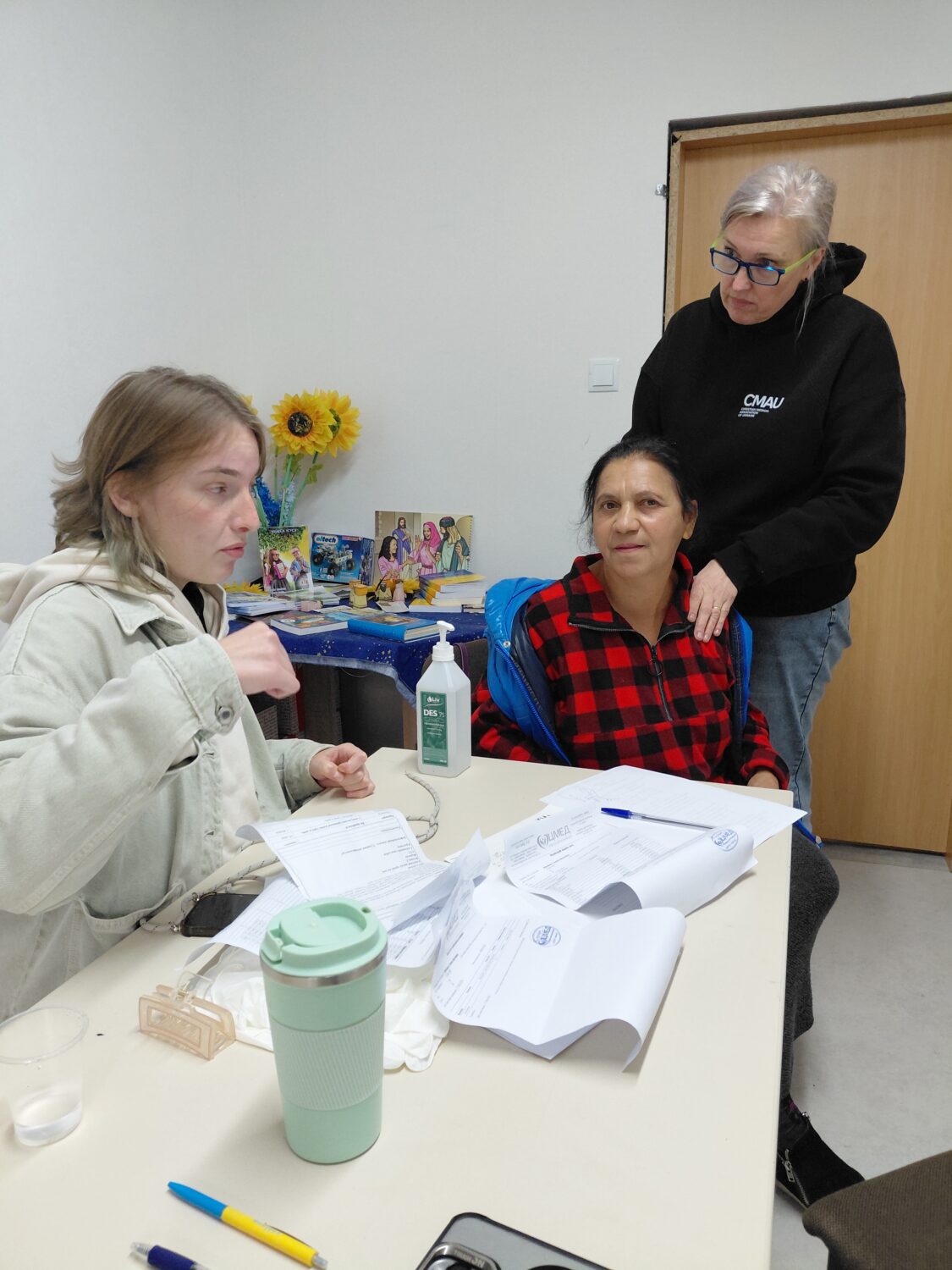
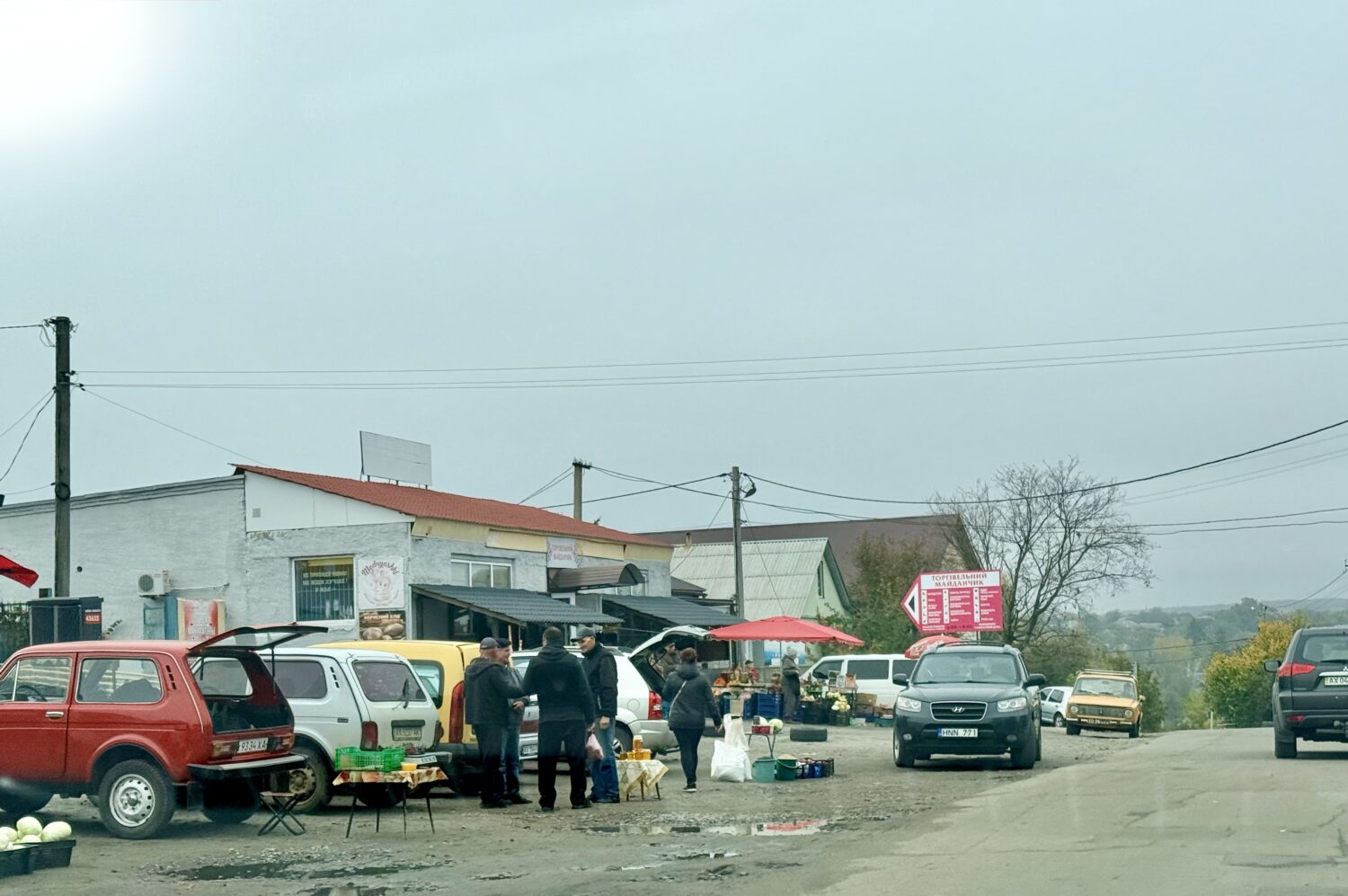
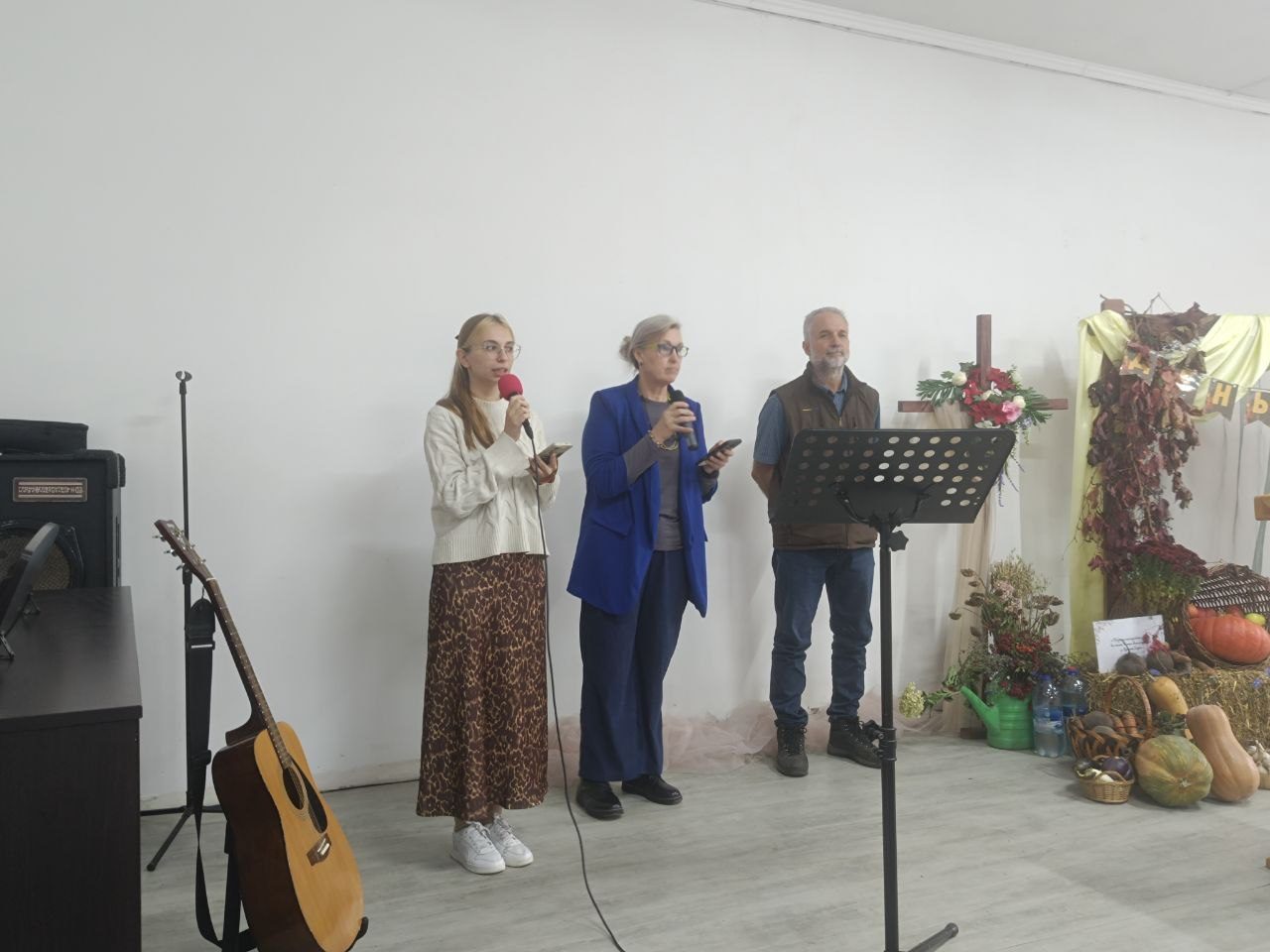
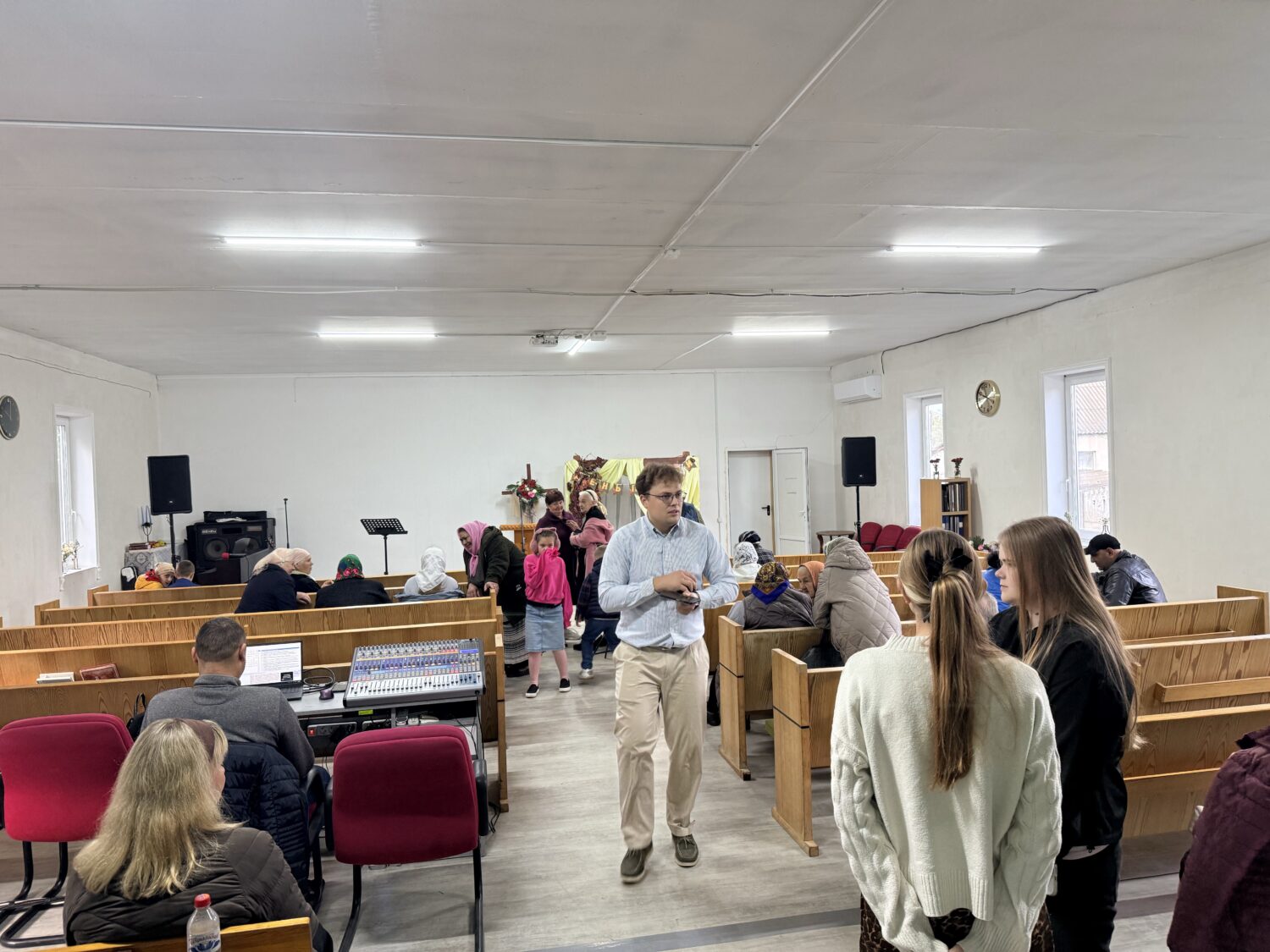
We went back to the village where we had been invited to join them for church. It was a lovely morning and the church was filled with people of all ages – from small children to the very elderly. A mix of local villagers and people who had had to flee from other villages and were now displaced and had found support here. It is a simple and humble church, there was a generator for light but no heating and a lot more work to be done. There is a village toilet out the back which is basically a drop hole. But the love and the care and the warmth of the welcome more than made up for everything else and made it one of the more beautiful churches I have been in. As always its sobering to hear pastors in churches hear talking of the stories of their people, praying for their country and it’s people during war. BUt overwhelmingly people here who live in the very deep shadow of war – were just being thankful and thanking God for what they do have. And being thankful for the harvest they could do. And the pastor made special mention of how grateful they were that ‘yura’ was here today because when he had been harvesting he was attacked by an FPV drone. A common practice to attack farmers. And Mykola had just told us one of his patients had been killed on his tractor by a drone. The older preacher relayed his stories of doing evacuations – and how one request was in an area where people weren’t going – only evacuation drones – because of the high risk from FPV drones. He didn’t know what to do but he ended up doing the evacuation and told how he was thankful to God that the rain and fog came in to provide him cover from drones during the rescue. THen a few people got up to sing songs some with organ or guitar and the standard of the music was incredible and prompted Ron to say “Is this Ukraine’s Got Talent”? It was lovely to see a couple of the people who had been my patients the day before. And the warmth of peoples response was truly touching. The pastor asked us to get up and share a little bit with the church. When he then said to us he hopes we come back it was like the entire congregation started nodding their heads enthusiastically with big beautiful smiles. And of course before we left they filled us up with more food and coffee and tea. And gave us gifts – it’s always so embarrassing when people do that when you feel like you’ve done so little and they have already given you gifts beyond description.
All of it — the curtains in that church, the fuel that got us there and back, the reflective practice day the team had been asking for all year — exists because people far from here decided it was worth funding. If you’d like to help make the next mobile clinic possible, you’re warmly invited to donate directly through OPT. Funds go exactly where they’re needed, and if you’d ever like yours directed to a particular project, just tell us and we’ll make sure it lands there: https://www.passingthrough.net/donating. (and we’d love to buy some of these great curtains for the last of our teams that hasn’t received them yet – let us know if you’d like to donate to these!)
In the meantime, we’re heading back to the garden/office. The trees aren’t going to plant themselves, and in a town held together by drone nets and homemade honey and sheer stubborn hope, neither, it turns out, is the hope.