Justice in Plain Sight: Why These Court Rulings on Ukraine Matter
After seeing trauma up close in hospitals across different continents, I’ve learned this: numbers often hide the real stories. Legal documents especially can feel distant—full of sterile language that masks human suffering. But every now and then, a ruling cuts through.
In July 2025, the European Court of Human Rights ruled on Ukraine and the Netherlands v. Russia. Legal experts are calling it the biggest case in ECHR history. But here’s what really matters: it formally recognised what so many survivors already knew. Their pain is real. What happened to them was wrong.
Yet I only saw a one-line mention on the national news.
Why That Matters
The court’s findings weren’t just legal verdicts—they were snapshots of trauma:
- Sexual violence as a weapon of war: The court called it what it is—torture. These aren’t isolated incidents; they’re deliberate attacks aimed at crushing people and communities.
- Children stolen from Ukraine: The ICC issued arrest warrants for Putin and Maria Lvova-Belova over the deportation of Ukrainian kids. They’re not just “taken”—it’s an attempt to erase culture and future generations.
- Forced labour: Prisoners made to clear mines—“dangerous labour,” the court said. It’s not just inhumane, it’s life-threatening.
- Erasing Ukrainian identity: Bans on language and destruction of culture show how deep the efforts go to wipe out an entire sense of self.
- Bombing civilians: Thousands killed or injured in just six months. Hospitals, power grids, homes—basic needs turned into targets.
- Torture as the norm: 97% of Ukrainian POWs reported torture. That’s nearly all of them. Mock executions, electric shocks, sexual assault—this isn’t rogue behaviour. It’s a system.
Why It’s Bigger Than Courtrooms
These rulings give weight to survivor stories. No more “alleged” this or that. It’s fact now. And by proving how widespread and coordinated the violence was, the courts show this wasn’t chaos—it was policy.
Twenty-six countries and international organisations backed Ukraine in court. That solidarity sends a clear message: what happens in Ukraine affects all of us.
But Law Isn’t Lived Experience
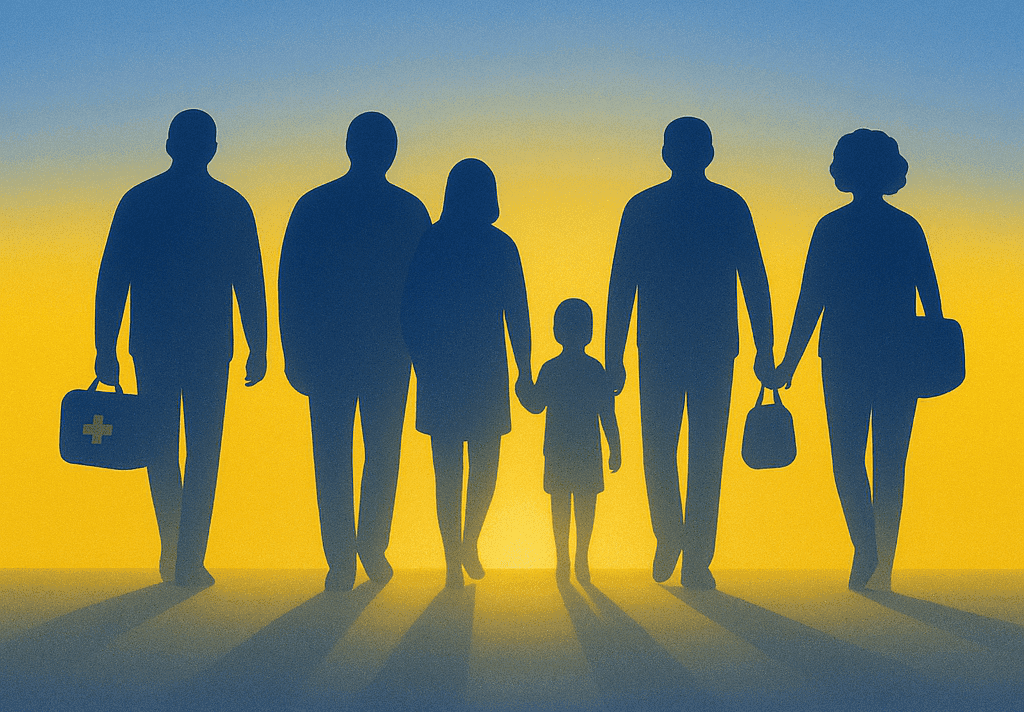
Legal documents can’t show what it feels like to live through this. I’ve met people in war zones choosing humanity despite the horror:
- A grandmother hiding children from Russian soldiers.
- A dad turning rubble into a playground.
- A nurse working 18-hour days just to stay sane and help others do the same.
This is the kind of resilience courts can’t measure—but it’s real.
Justice Is a Process, Not a Punchline
These rulings matter. They call out lies and affirm truth. But justice delayed is still suffering extended. Survivors need more than recognition—they need help now.
Every aid delivery, every trauma counsellor, every reunited family matters. It’s not just humanitarian—it’s proof we stand with truth, not denial.
The Heart of It All
The facts are harsh. The legal outcomes are important. But what sticks with me is this: despite everything, people keep choosing compassion.
That’s what makes justice possible.
And if we want this recognition to mean something, we have to act like it does. Not someday—now.
#LoveInAction
1 John 3:18
For a more detailed report on the court’s findings CLICK HERE.
Moving Beyond Documentation
The court findings provide crucial foundation, but they also create obligation. Documented systematic targeting of hospitals, schools, and energy infrastructure isn’t just historical record—it’s ongoing reality requiring immediate response.
Medical and humanitarian aid becomes more than emergency relief; it’s a tangible expression of the international community’s commitment to the principles these courts have affirmed. Every medical supply delivered, every family reunited, every trauma counsellor deployed represents a choice to stand with documented fact against systematic denial.