

21 October 2025
The thing about Ukraine is that catastrophes pile up so fast you can barely process one before the next arrives. Another power plant hit today. A mine collapse with 190 miners trapped. Just another Tuesday in a country Russia is determined to freeze and terrorise into submission.
The Road to Poltava: A Thriller Nobody Asked For
Our drive to Poltava tested both our nerves and our faith in Google Maps. What should have been a straightforward journey turned into something resembling the opening scene of a bad thriller—though I’d say Deliverance, but that’s deeply unfair to Ukraine.
We crossed the massive Dnipro hydroelectric dam, a structure holding back apocalyptic volumes of water. Russia had already attacked the power system attached to this dam, raising fears of catastrophic failure. One successful strike here would be a disaster of global proportions. But they’ll probably try again—they always do.
Then Google Maps, in its infinite algorithmic wisdom, directed us to exit left onto what it claimed was a four-lane highway. Small problem: it was actually eight lanes divided by a guard rail, and we were now driving into oncoming traffic. Ron has learned on this trip to trust his instincts over Google, but it still took approaching headlights to override the navigation’s confidence in our imminent death.
Here’s what’s beautiful about Ukrainian drivers: they just… stopped. Patiently waited for these clearly-lost foreigners to sort themselves out. No honking, no rage, just collective understanding that sometimes people make mistakes and nearly die. So different from Australia, though to be fair, our road signage doesn’t require you to gamble with your life quite so often.
Wildlife, Water Rats, and Birch Branch Beatings
Our hotel outside Poltava was an interesting discovery. Only two air raid alerts during the night, which Ron spent with the window open, listening for drones. He got excited about photographing a “wild buck deer” across the lake in the twilight.
Morning revealed the truth: not wild at all. We’d stayed at some kind of animal park-slash-kids complex-slash-relaxation center, complete with a sauna offering “birch branch beatings to open your capillaries.” You know, as one does.
Breakfast was pleasant until we were mobbed on exit by the park’s musk rats. They looked like mega-fauna water rats to me, and they were decidedly not cute.
The Road to Kharkiv: Welcome to the War Zone
Driving toward Kharkiv, the reality of modern warfare became impossible to ignore. Vehicles passed us fitted with drone jammers and protective cages—defense against the FPV drones that have become routine in this war. A tow truck carried away a small passenger bus that had been blown up by one such drone.
Every small town park displays rows of fresh memorials to soldiers killed in this war. Every. Single. One.
We stopped at a café and felt… watched. Maybe as foreigners we looked suspicious. Maybe we were paranoid. Probably both.
Military vehicles were constant: pickup trucks full of soldiers, vans bristling with anti-drone equipment, massive trucks hauling vehicles and weapons.
Underground Safety and Deteriorating Hope
We checked into our semi-underground hotel in Kharkiv—a choice that felt wise given the density of air raid alerts. The sense of safety was welcome.
Met with Regina from CMA, who’d arrived with Australian emergency doctor Suzanne (whom we had connected them with) for ATLS training. By mid-afternoon, we’d already had several air alerts. Regina was distressed—two of their critical warehouse staff had been mobilised into the army over the weekend. They’d accepted it with grace, but it was still a devastating blow to a small organisation doing vital work.
Then came an unusual conversation—the first time I’d heard any of these Ukrainians mention Trump or politics directly. They’re worried. The prospect of no more American weapons or support is terrifying for them.
That night, four rocket-powered glide bombs hit Kharkiv. You get minutes of warning with these, and they’re new—Russia is developing weapons that can reach longer distances. They hit power plants across the country: drones, missiles, and KAB bombs, all designed to maximise winter suffering.
Regina spoke about visiting Europe and hearing people say “oh, it’s so sad.” She gets upset: “It’s not sad. It’s terror.” She feels Europeans have become weak from too many years of comfort, unwilling to step outside their comfort zones, influenced by propaganda and misinformation. “Everyone says ‘oh how strong Ukrainians are’—but that’s just because “we’ve never had it easy. We’ve had to fight for centuries. Years of ease cause weakness.”
I agreed. We’ve had too many years of ease in Australia too.
Her flatmate’s parents were being evacuated from a town under Russian attack—the father nearly didn’t come. Now the scramble to find housing, find money for rent. Regina’s flat was overflowing with displaced people, so we decided to rent something. Everywhere you look, the effects multiply: more refugees, more displacement, families with nowhere to go.
Fatalists and Choosing Not to Be Angry
Meeting Mariia in person for the first time was powerful. She helps manage our social media (I pay her from my own pocket so all donations go directly to Ukraine), and our conversation went deep quickly.
“We are fatalists now,” she said, “and that’s not good. People choose two camps—to be angry or not. Those who are not angry have better mental health.”
She’d noticed when she made this mental shift. It helped her cope. But she’s too close to the Russian border, too close to the bombs. She needs sleep. She’s not sure how much longer her mental health can take it. (After we left Ukraine, she told me she’d taken a refugee program opportunity to leave the country.)
She found it hard to understand how Australians could grasp their situation better than some Europeans—and could want to come here and help.
Teaching Underground: Business as Usual in a War Zone
That afternoon I taught at Kharkiv Medical University. The young doctor who’d translated for me last time took time off to attend and brought me Kharkiv cake as a gift. That kind of generosity, in these circumstances, is overwhelming.
The lectures went well—lots of questions, great feedback, many thanks afterward. All lectures are now held underground because of the bombing frequency. This is just… normal now.
When the Drone Comes for You
October 22nd started with vague memories of sirens overnight, but I’d kept sleeping, knowing our lower-level room was relatively safe. Woke to news of missiles and Shaheds hitting the city, many injured.
I was preparing my talk in the hotel room. Ron mentioned getting something from the car. Another air raid alert sounded—the second that day, I think.
I decided to film a bit for my blog and started recording. Then I heard it: the whirring engine sound of an incoming Shahed drone. I leaned forward to listen.
Then BANG.
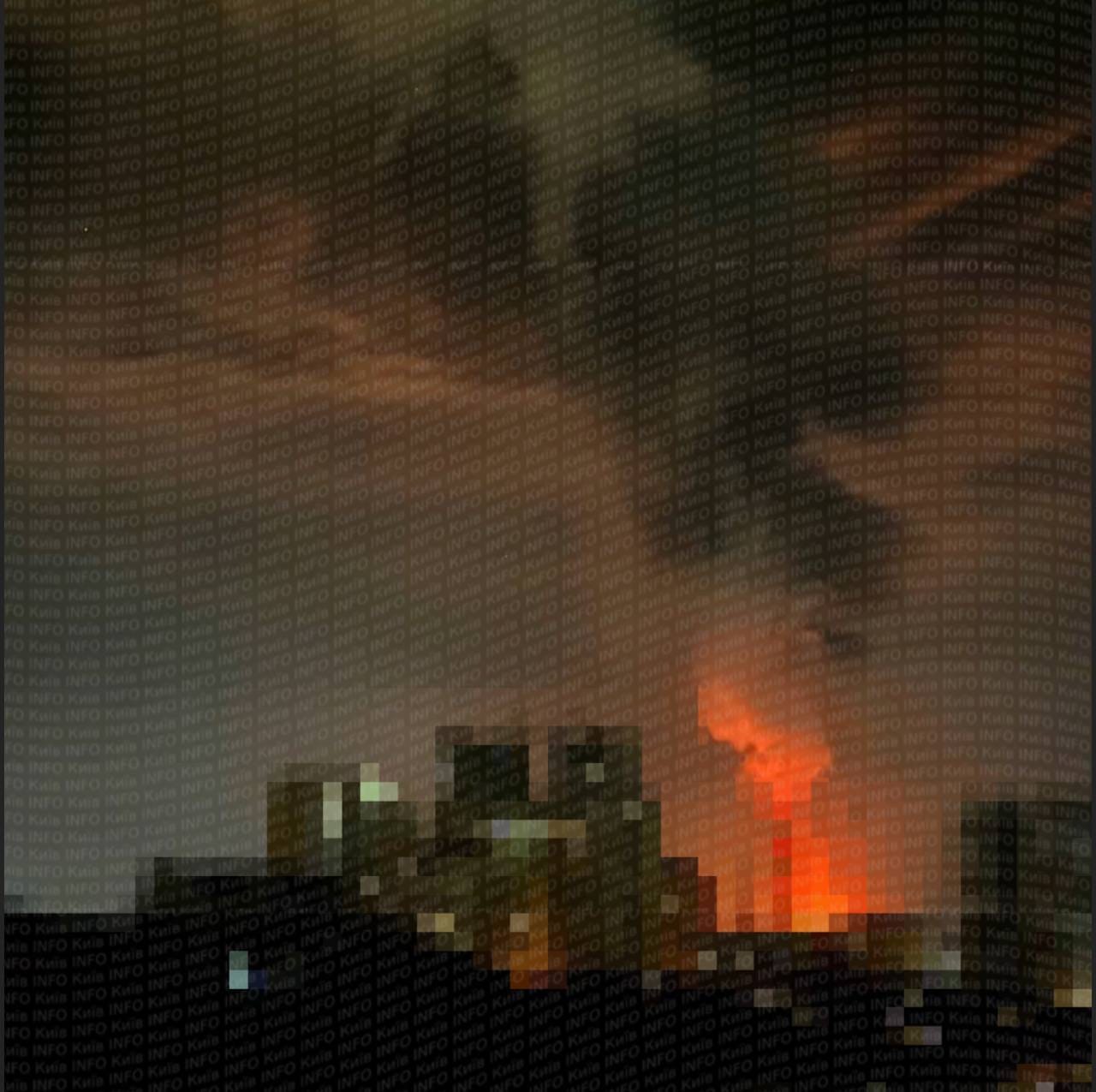
A massive explosion outside the window. Scared the living daylights out of me. My first instinct was to call out to Ron—I’d suddenly remembered he might have gone outside, might be under that explosion. Thankfully he’d been waylaid by a trip to the basement toilet. He called back. Then another explosion.
Within minutes: sirens. I prayed no one was hurt.
They were.
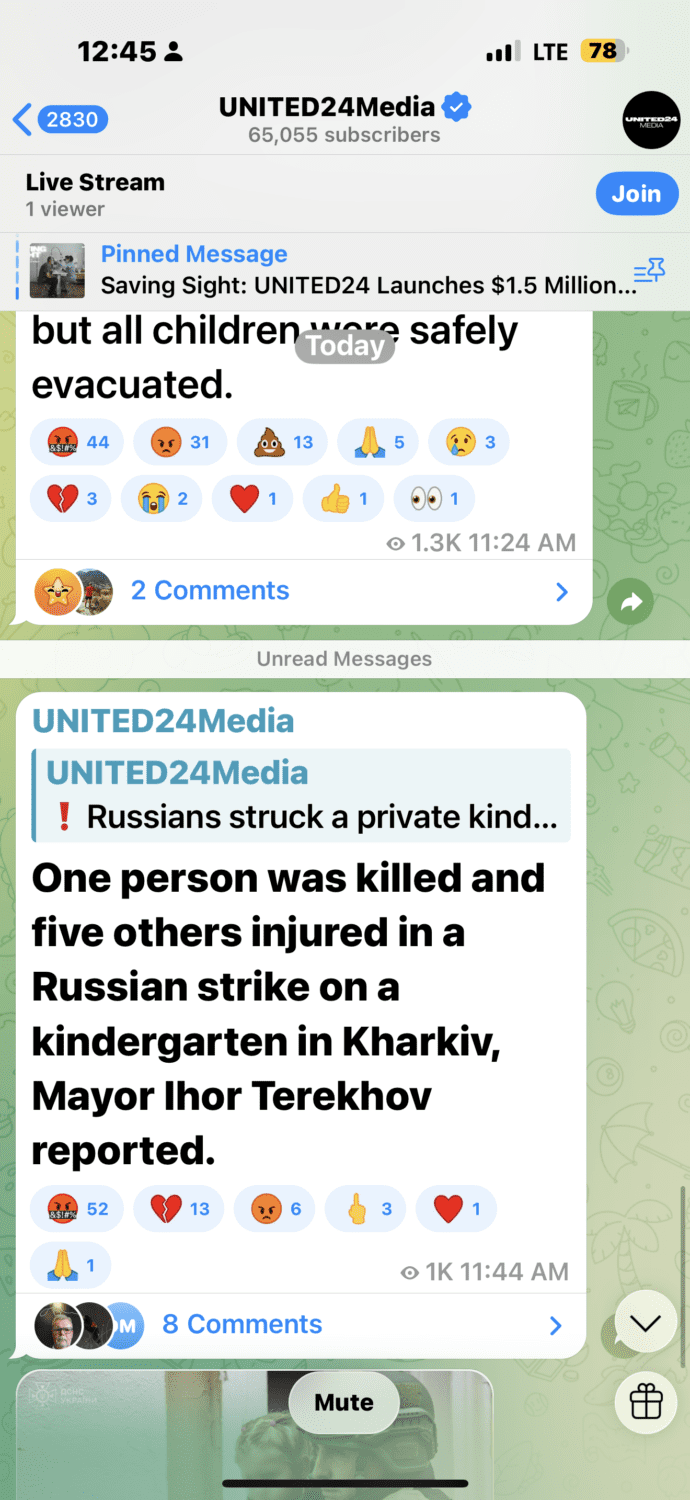
One person killed. Others lost limbs. Several children had minor injuries—the strike hit a kindergarten, but a teacher had rushed the kids to the basement and they survived.
I saw the footage on Telegram and recognised the place. About 900 meters from us. Sent it to Regina.
At lunch, Regina received a phone call. Her face went ashen. The call was to say that our teaching venue—where we were supposed to be in two hours—had been hit by that strike. It was next to the kindergarten.
The venue changed at short notice to the bomb shelter where Suzanne was teaching ATLS.
Amazingly, doctors still showed up, seemingly unfazed. Ukrainians are incredible.
Teaching Continues (Because What Else Can You Do?)
Two or three air raid sirens during my talk. Then another teaching session at the university—the same building I’d spoken at in April, which had been hit by a Shahed. I could see they’d made progress on repairs, but now all lessons happen in the bomb shelter.
One doctor told me she couldn’t work that evening because her workplace had just been hit by a Shahed.
These amazing doctors quickly adapted, came to listen in a bomb shelter, and we had great conversations and learning and encouragement. They were so grateful and amazed that I came to Kharkiv.
But the strikes are constant. More air raids that day. Russia keeps hitting residential areas, power plants, anything designed to make civilians suffer as winter approaches.
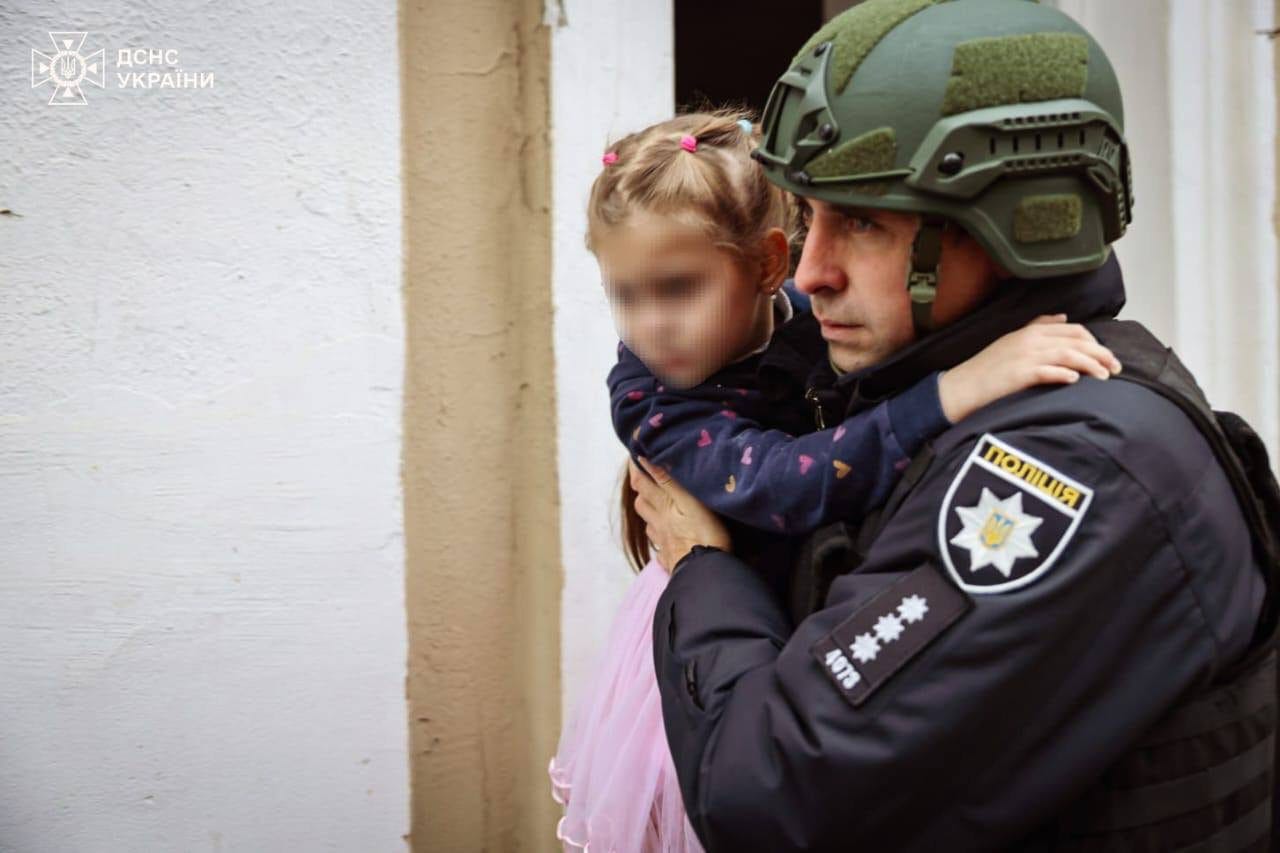


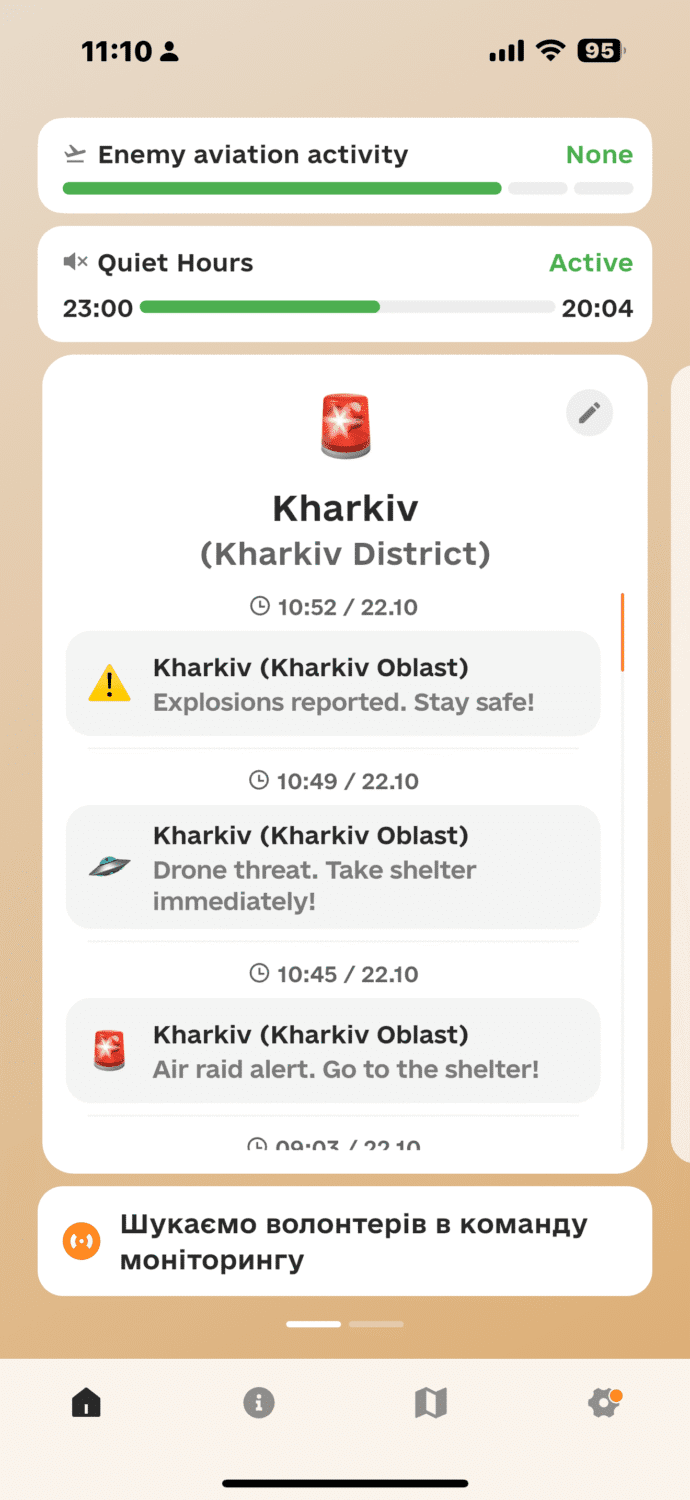


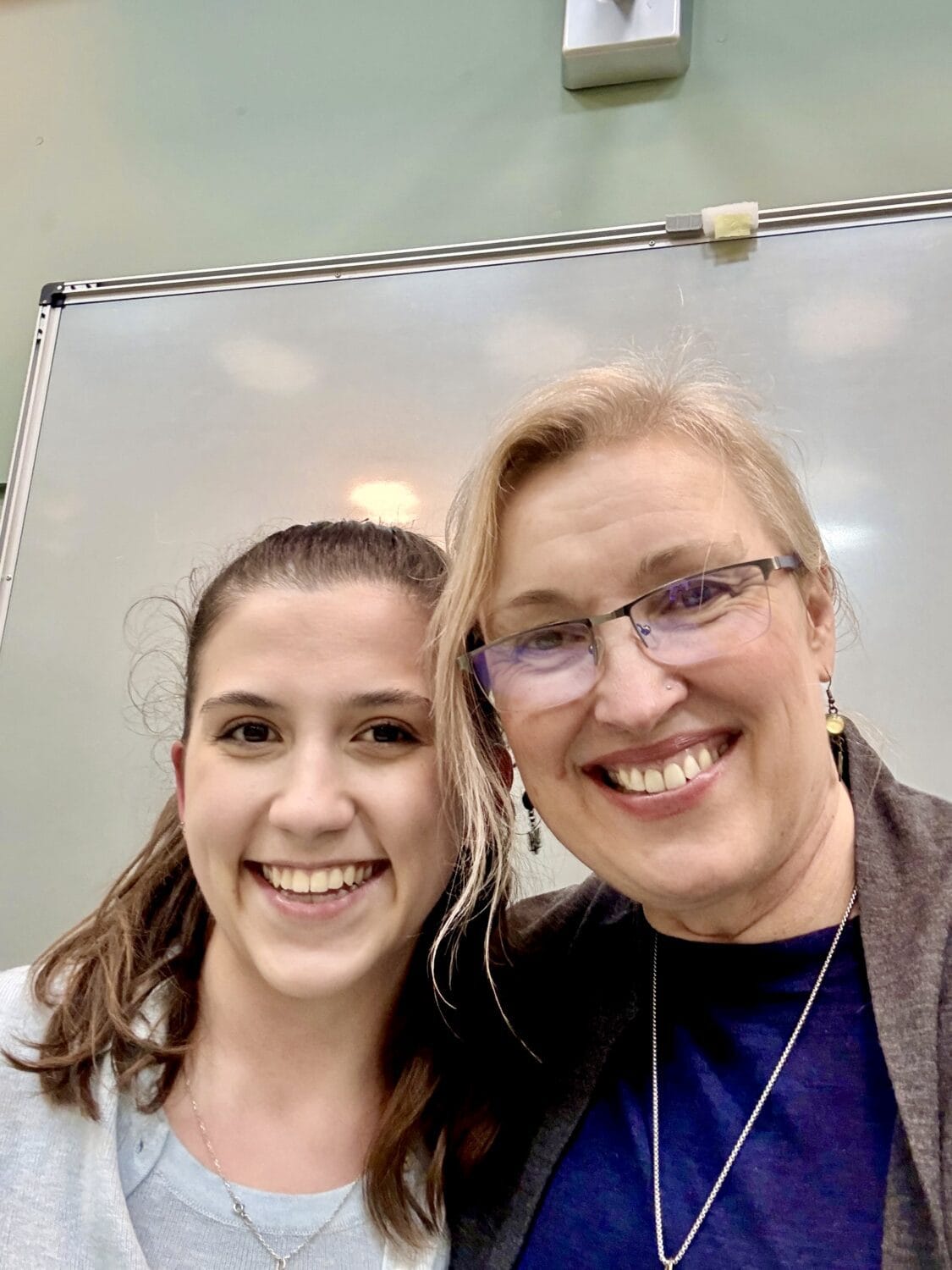


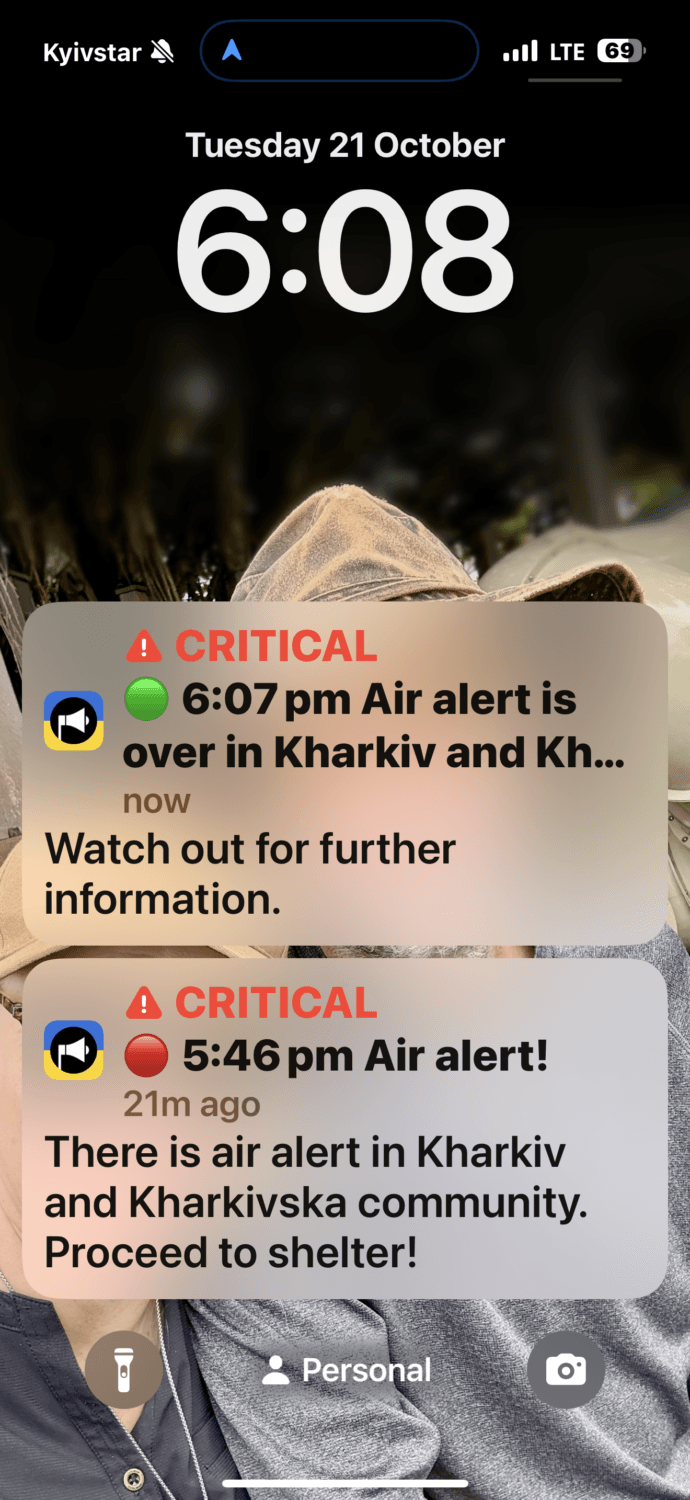




This is what supporting Ukraine looks like right now. Not abstract geopolitics, but kindergartens and teaching venues and power plants. Doctors who show up to learn in bomb shelters after their workplaces are destroyed. People who choose not to be angry because it’s the only way to survive.
They need more than our admiration for their strength. They need support to get through this winter Russia is engineering for them.
