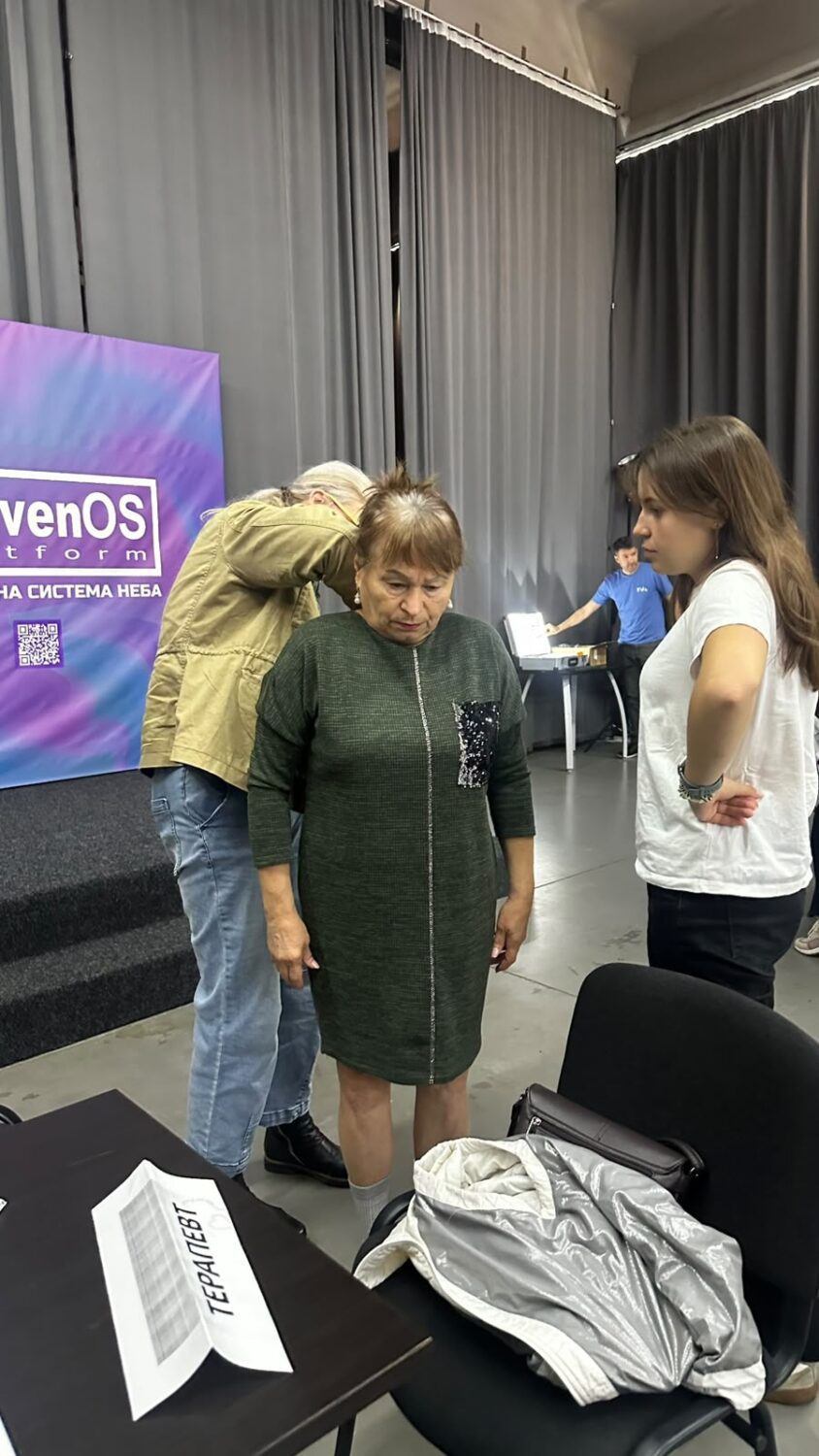
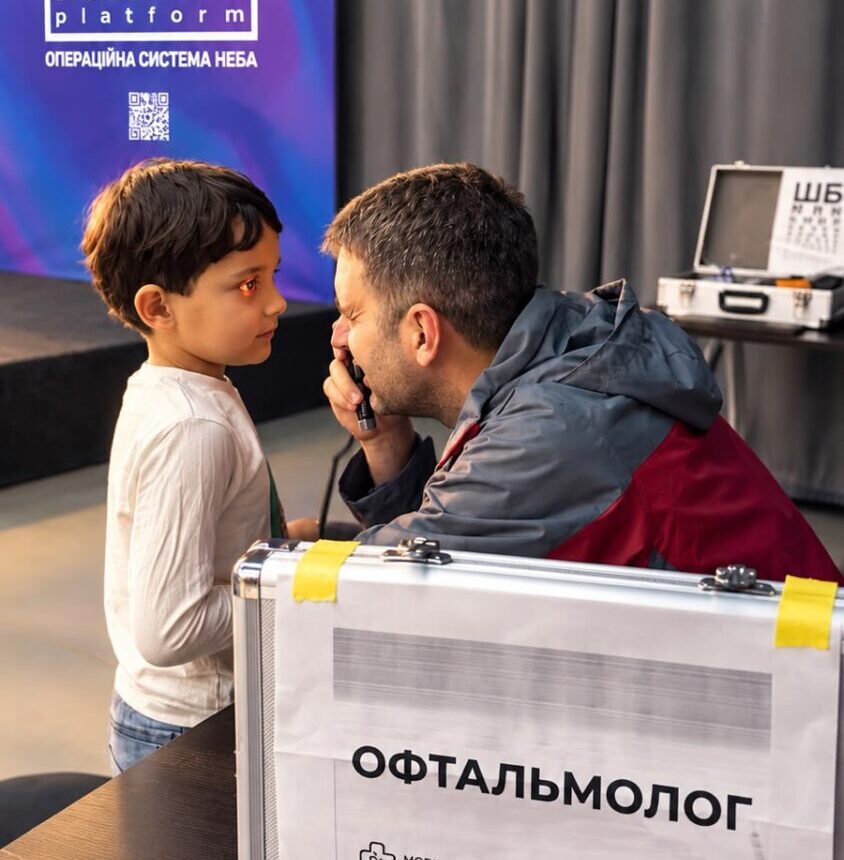
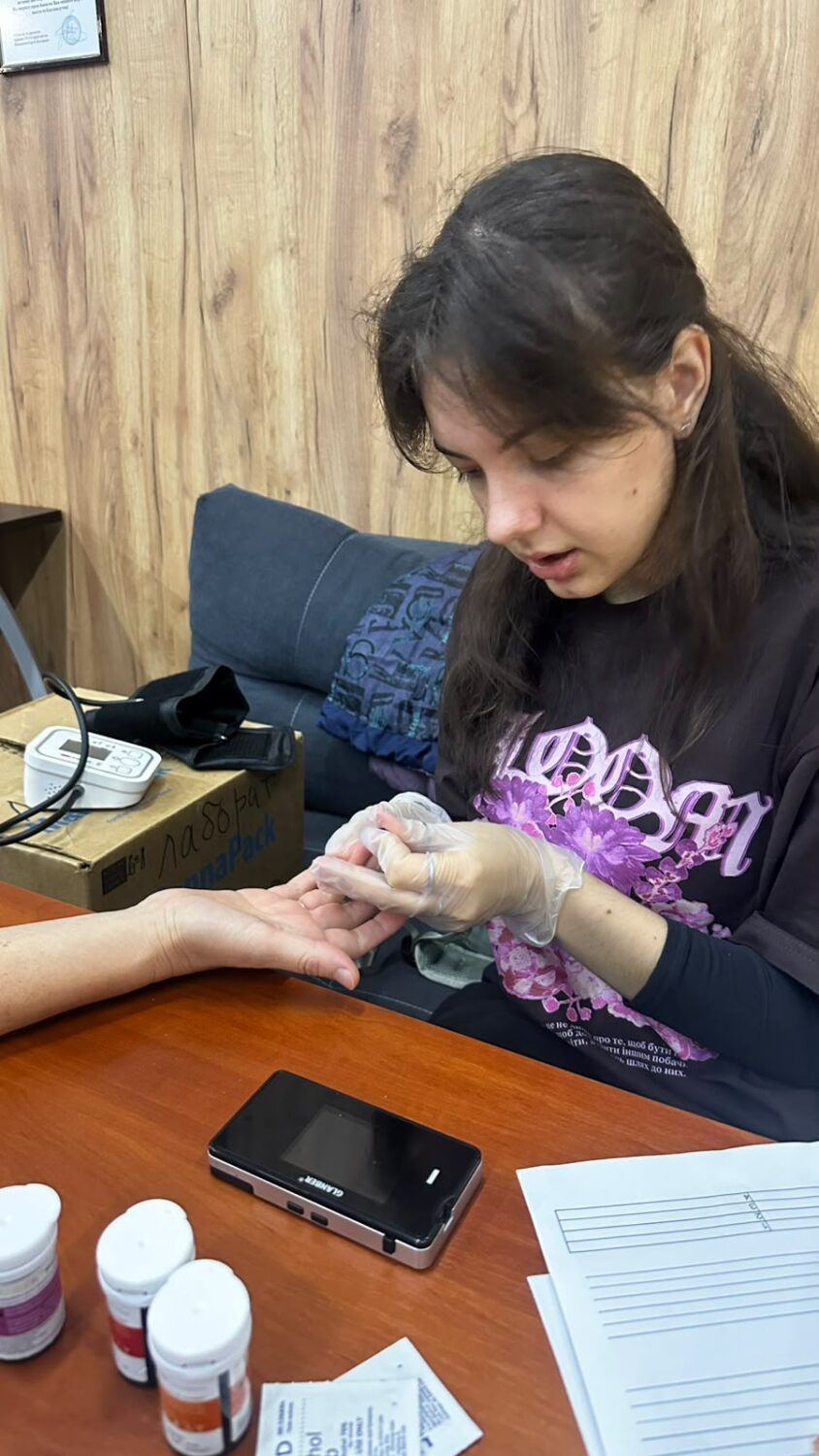
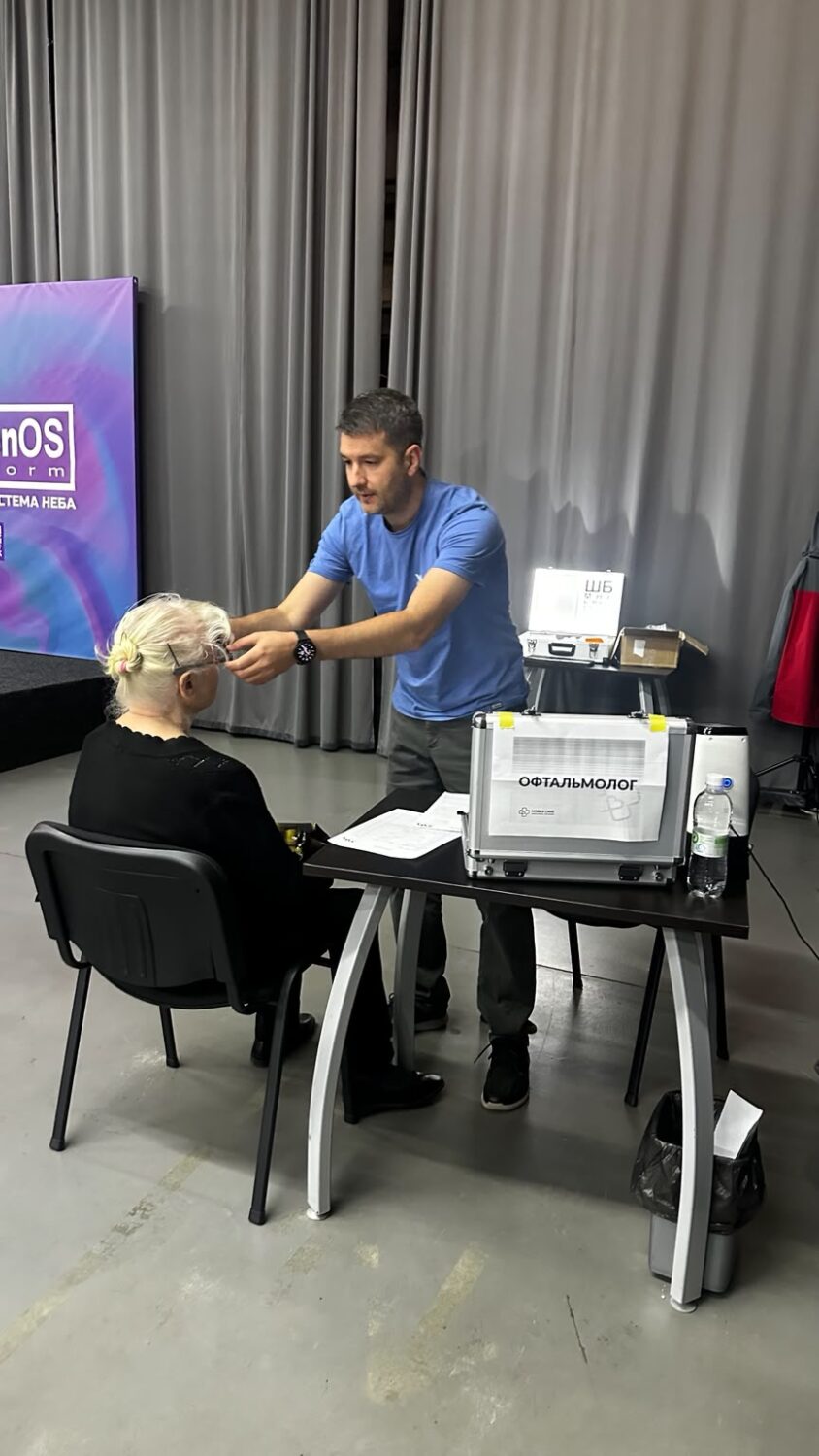
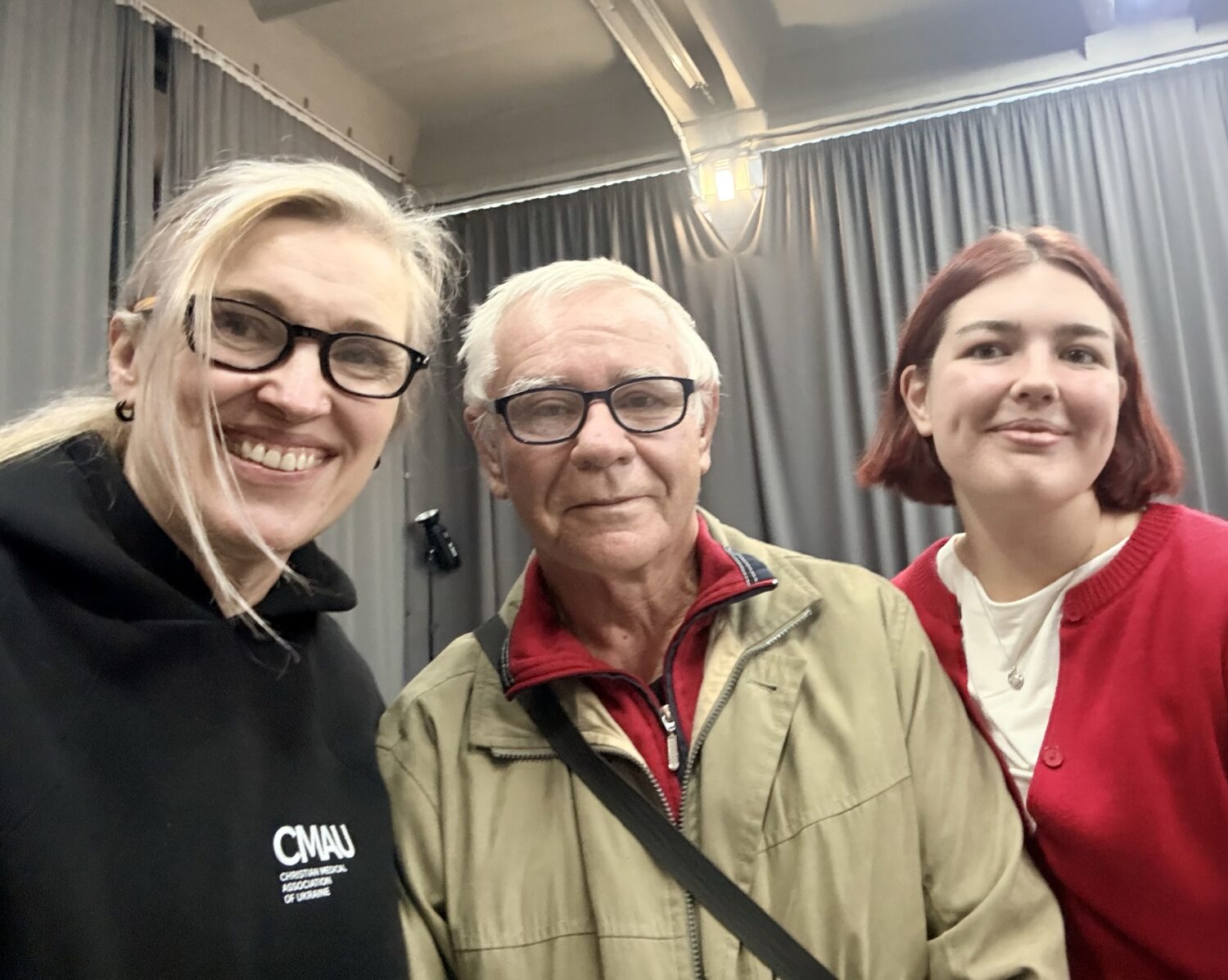
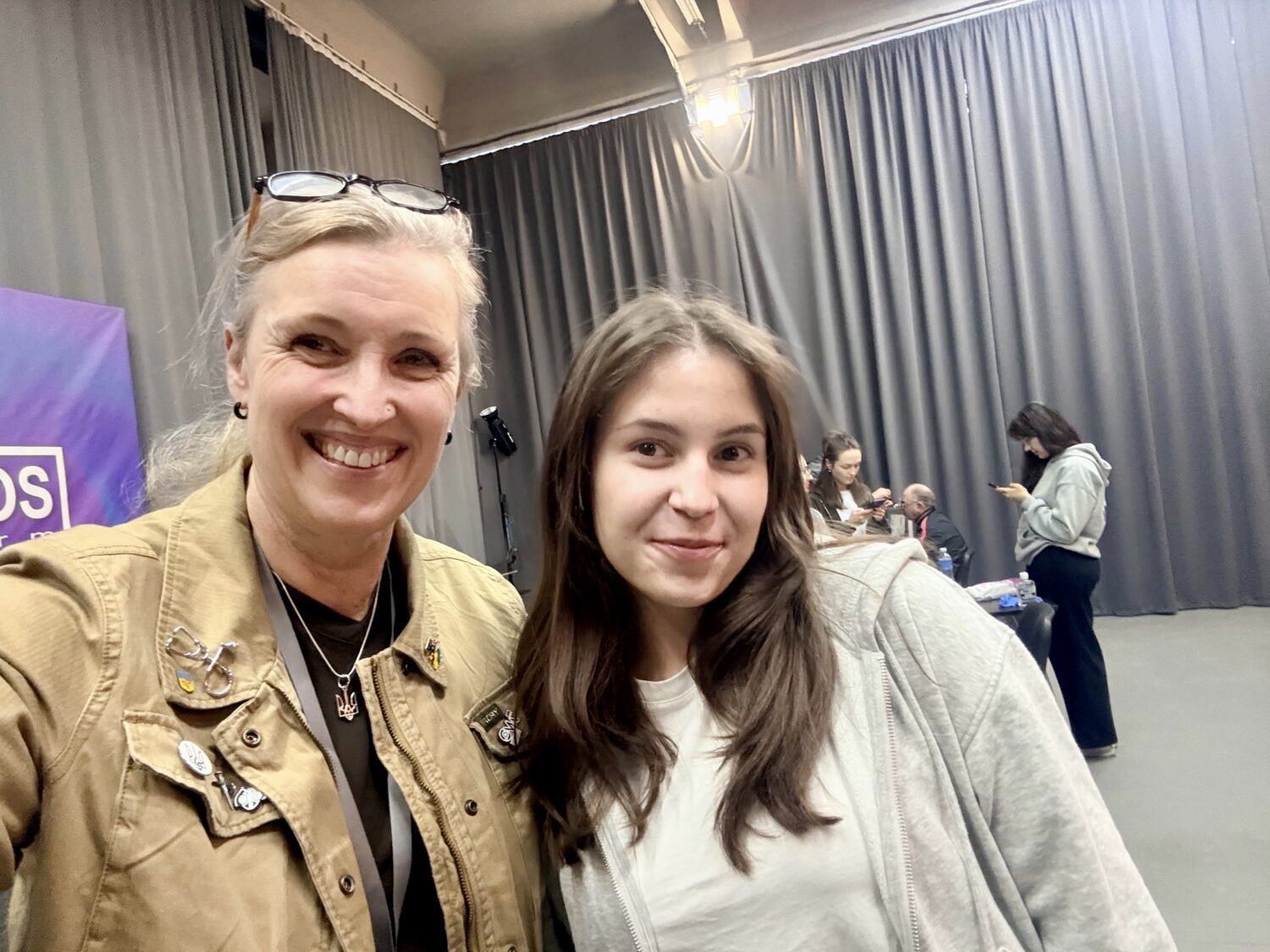
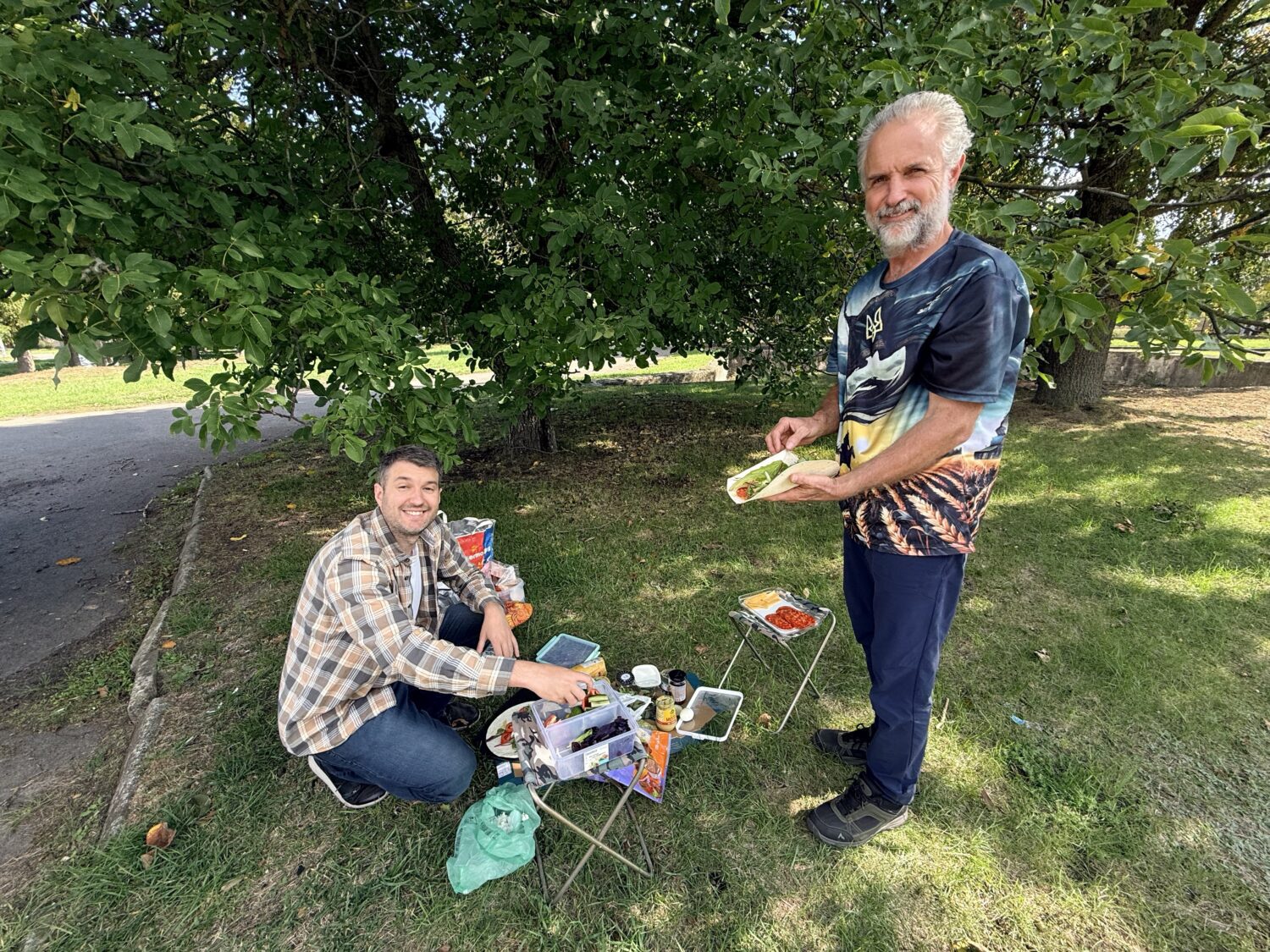
We drove into Kyiv for a clinic day that wasn’t really about the clinic. Yes, we had patients to see — mostly internally displaced people gathered in the city centre — but another primary purpose was meeting a doctor and her church community who might become a future mobile clinic team for the region. You build these partnerships one visit at a time.
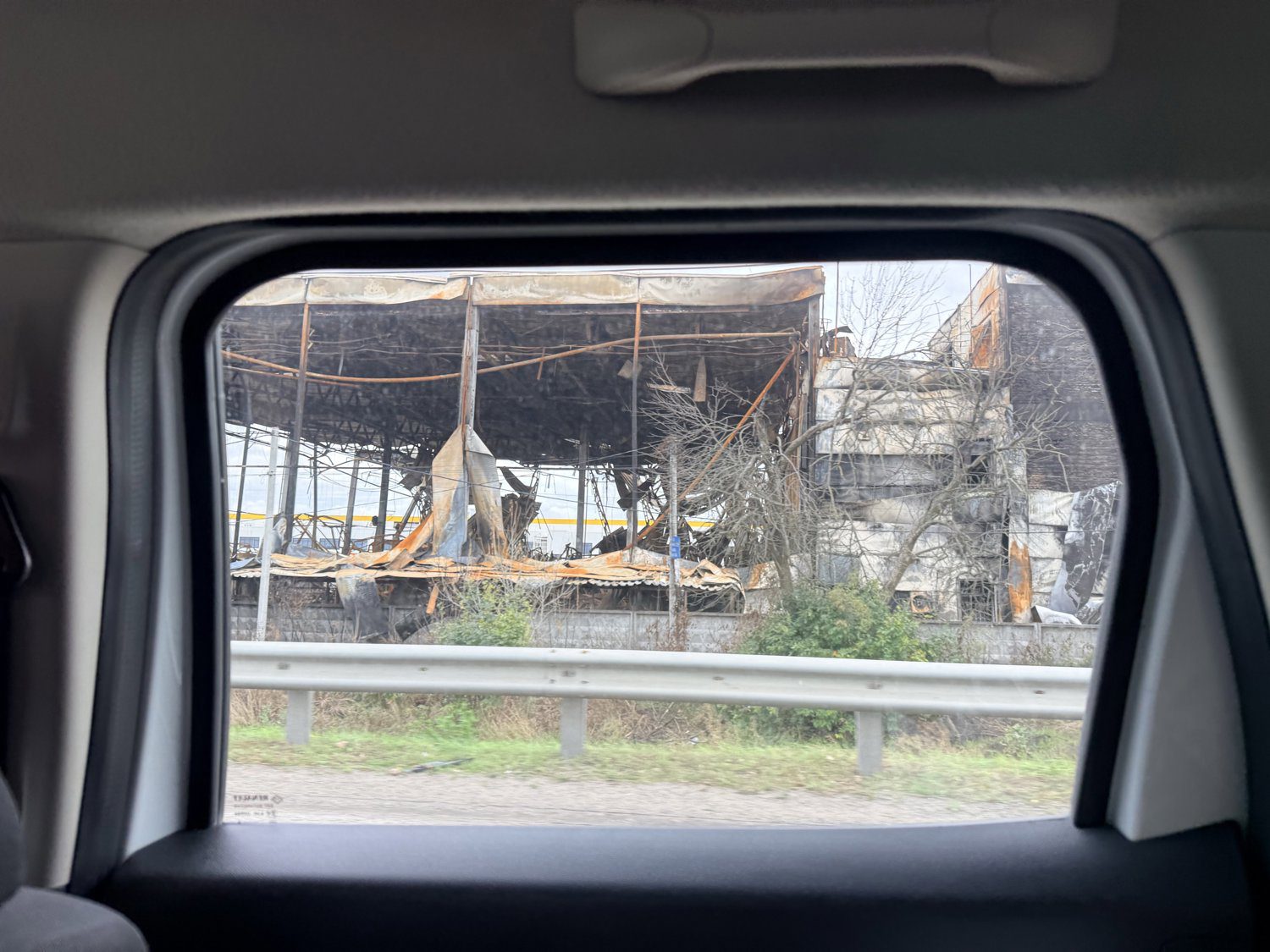
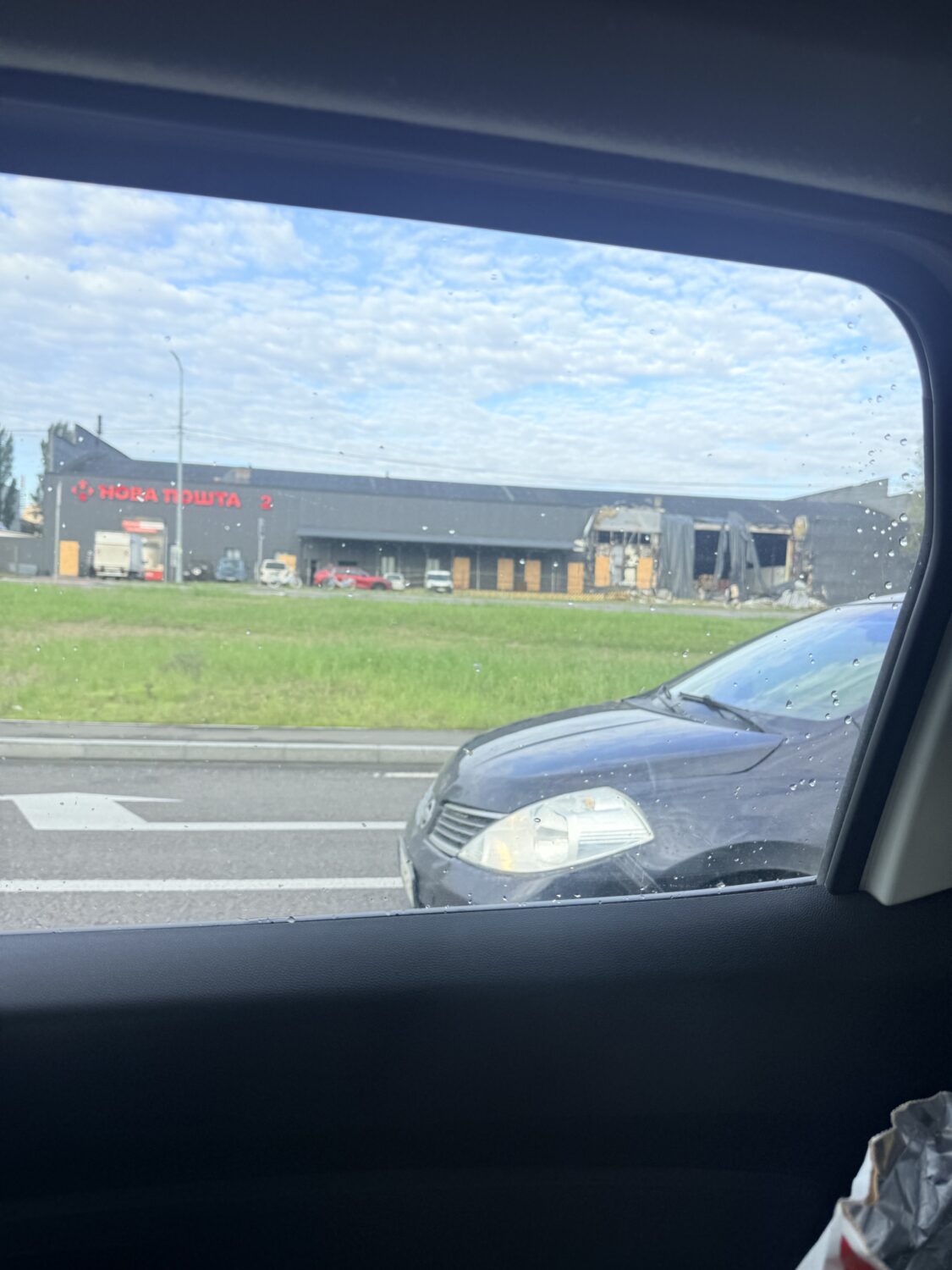
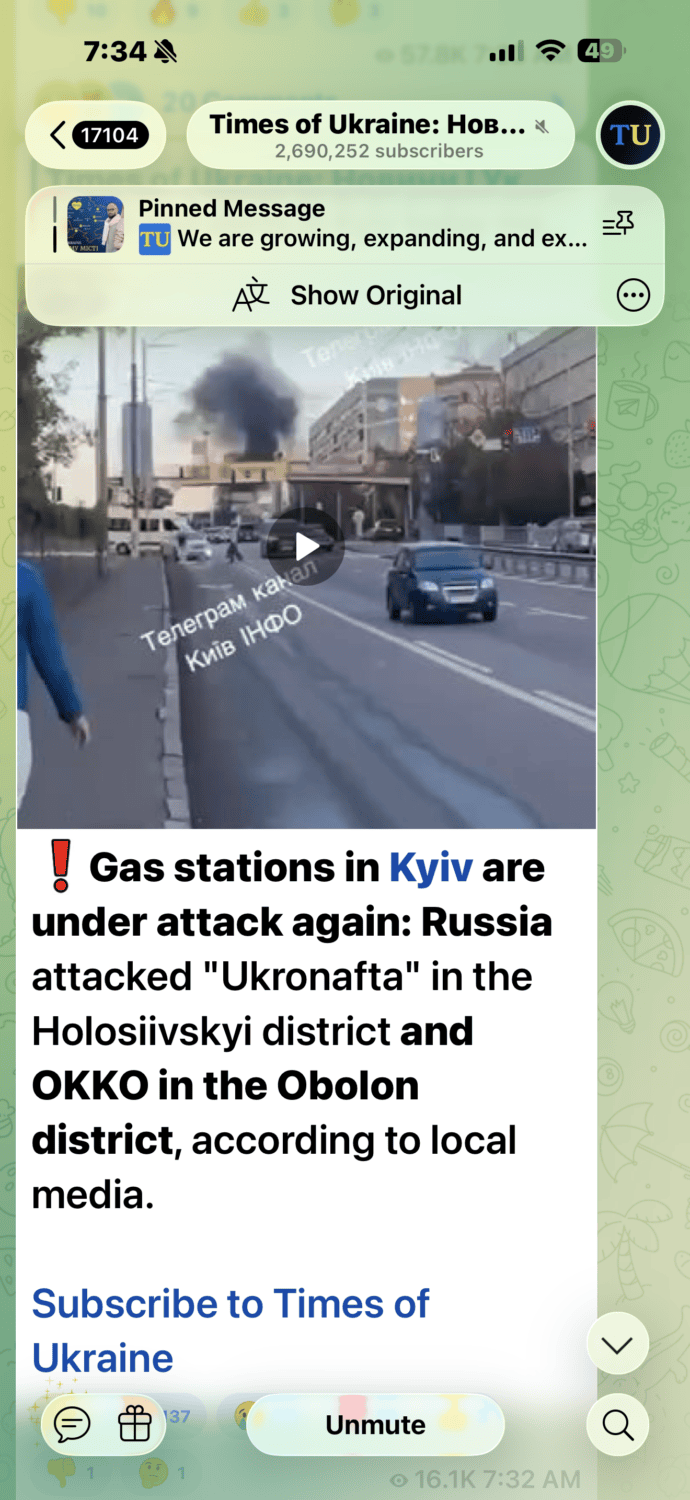
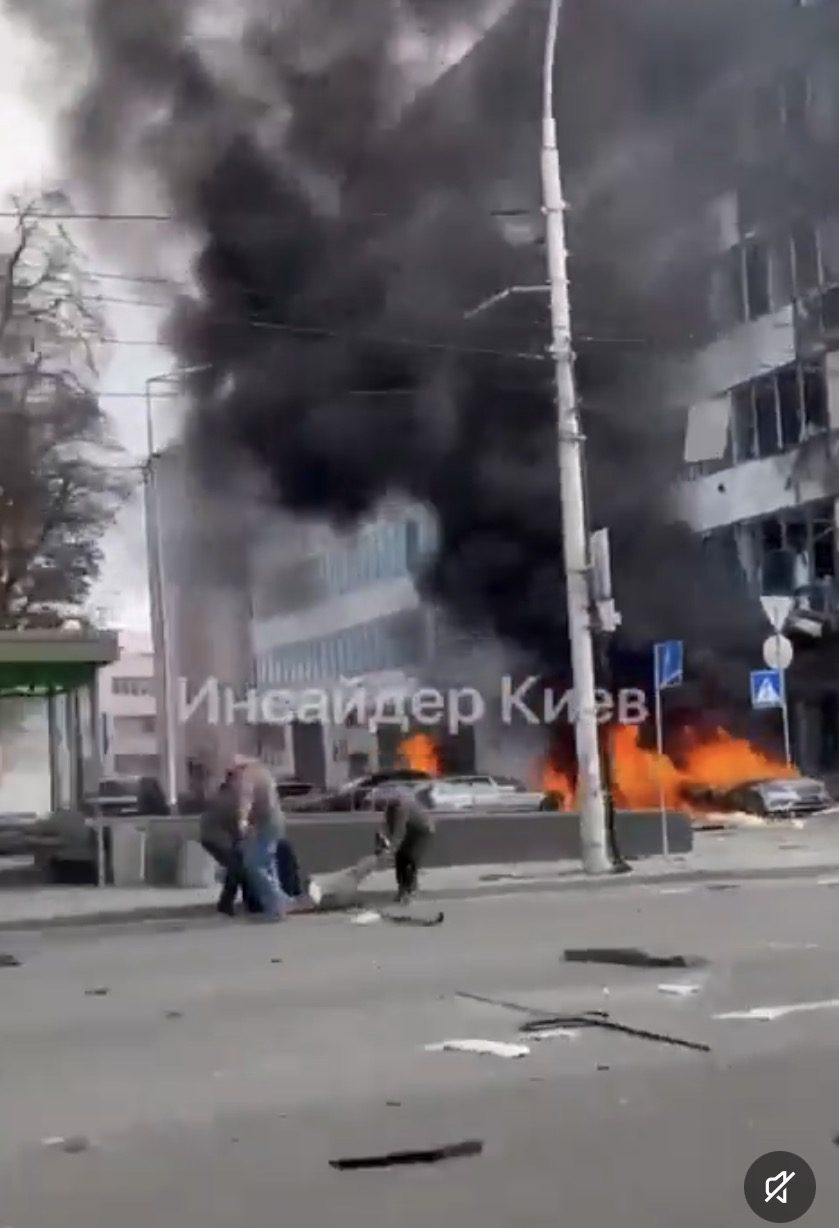
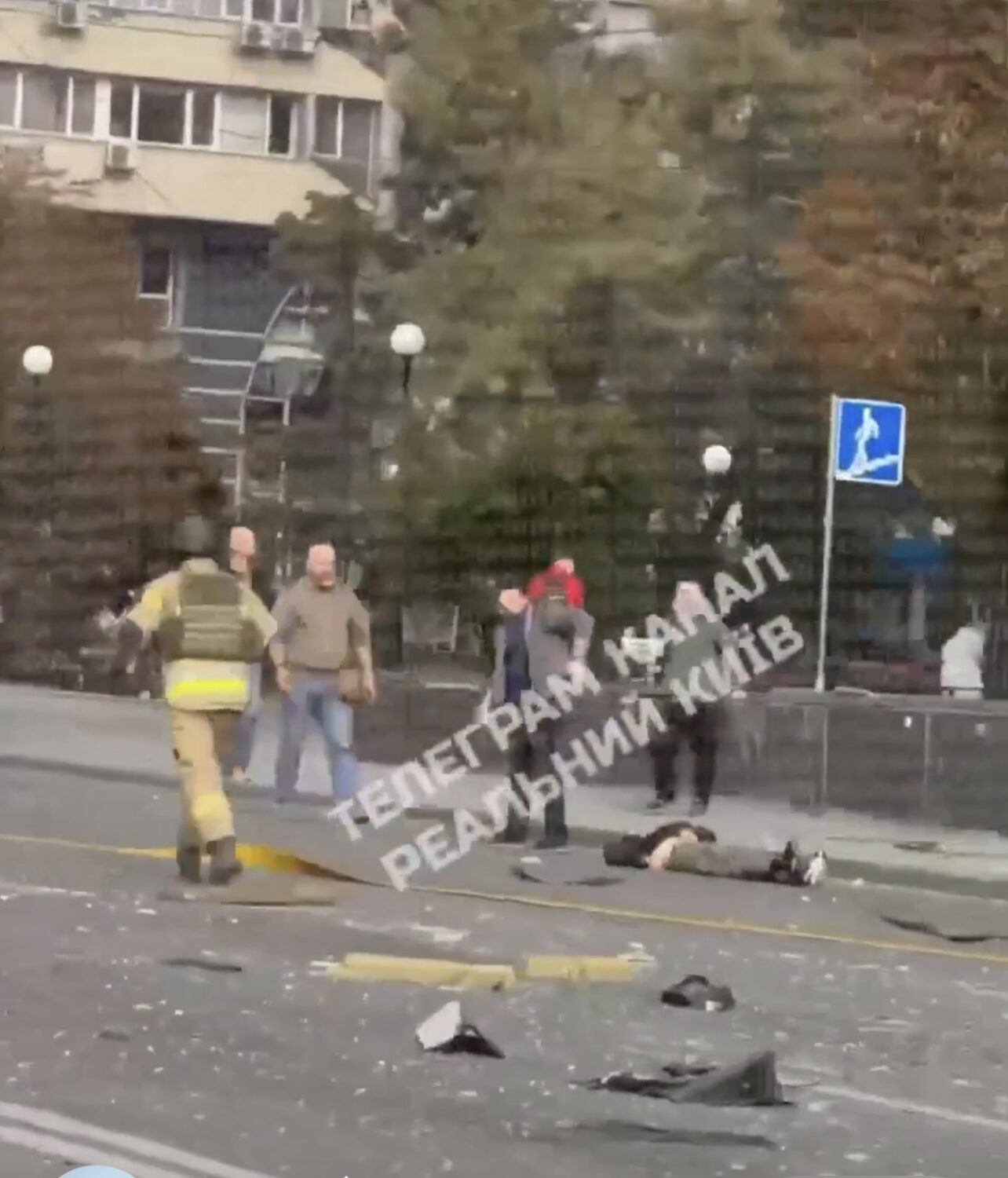
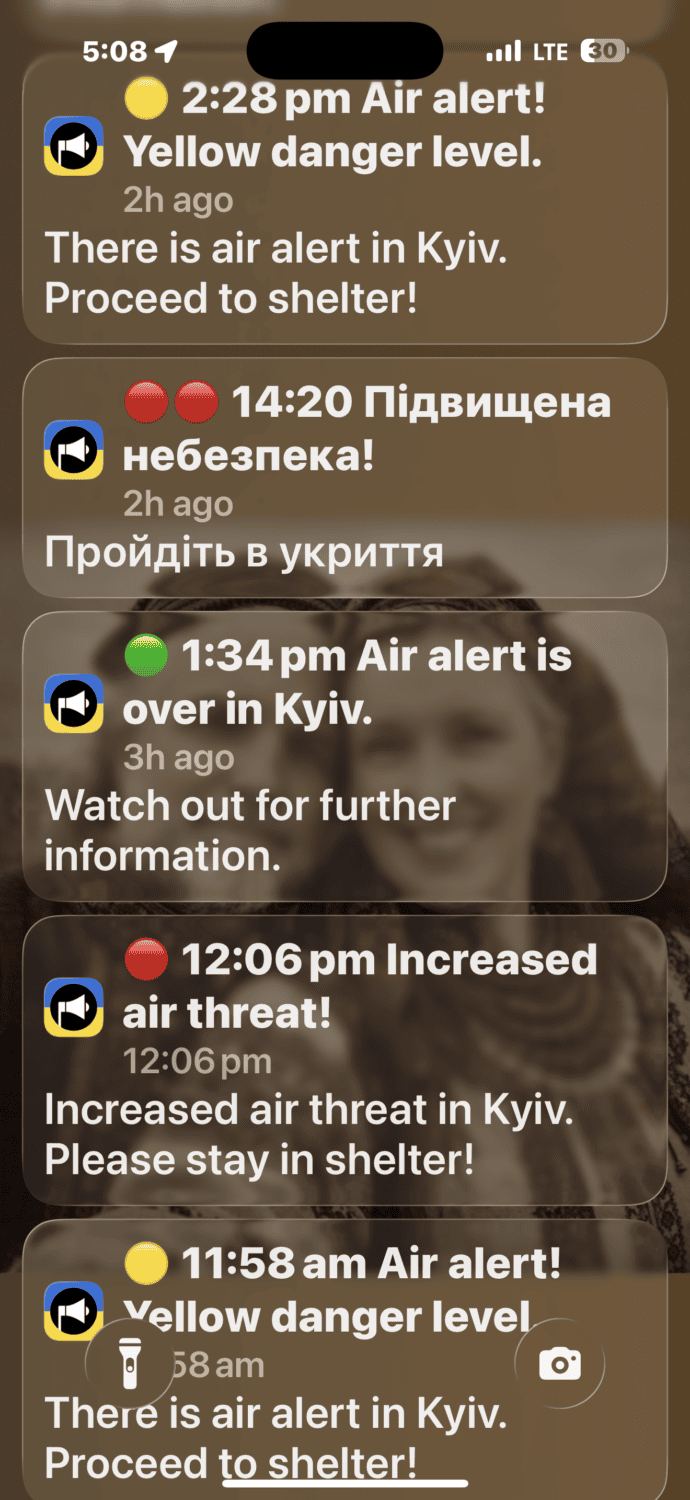
The drive in told its own story. A petrol station still smoking from a strike. A post office hit. Pickups mounted with machine guns stationed on bridges and in fields for air defence. Kyiv had taken missiles several times that week, and the Shahed drones never really stopped. We passed a hit bridge, a hit building. Drone alerts ran most of the day.
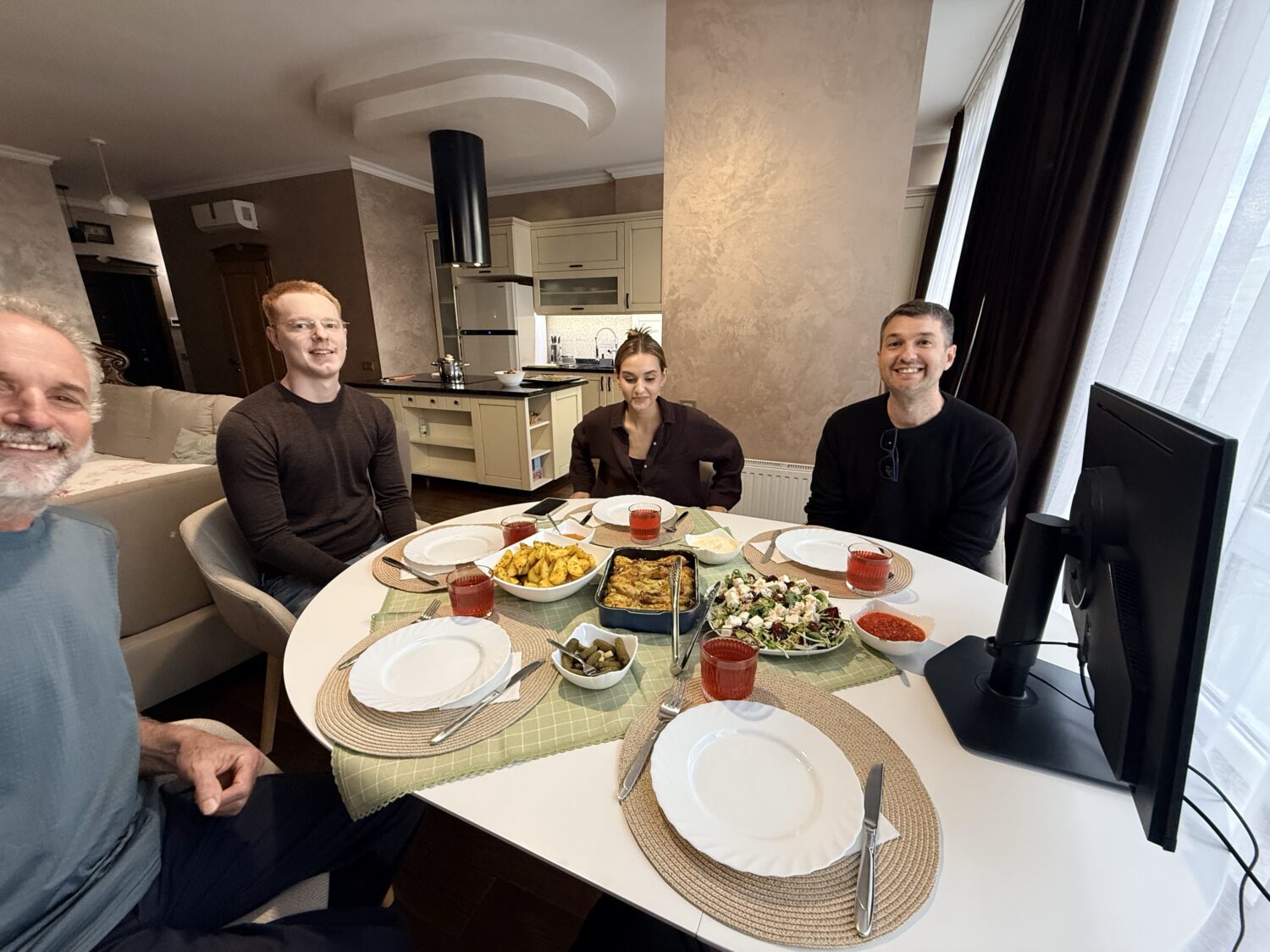
We stayed with the loveliest hosts — the lead doctor’s younger brother and his wife. We had a dinner with warm conversation, but it ended heavy. They talked about exhaustion. About not being able to see the end of the tunnel. About the shame they feel over corruption allegations in their own government (currently under investigation, for what it’s worth), as though they need to be a perfect country to deserve anyone’s help. I want to say this plainly: nobody has to earn the right not to have their civilians, hospitals, schools and homes bombed.
The next morning, over breakfast, we heard explosions — then the siren, after the fact, which our hosts said happens often enough that nobody really reacts to it anymore. GPS stops working under an air raid alert, so we switched to offline maps and drove to set up clinic at a church near — we later realised — a shopping centre of the kind that’s recently been targeted. We’d pass a hit post office sorting centre on the way.
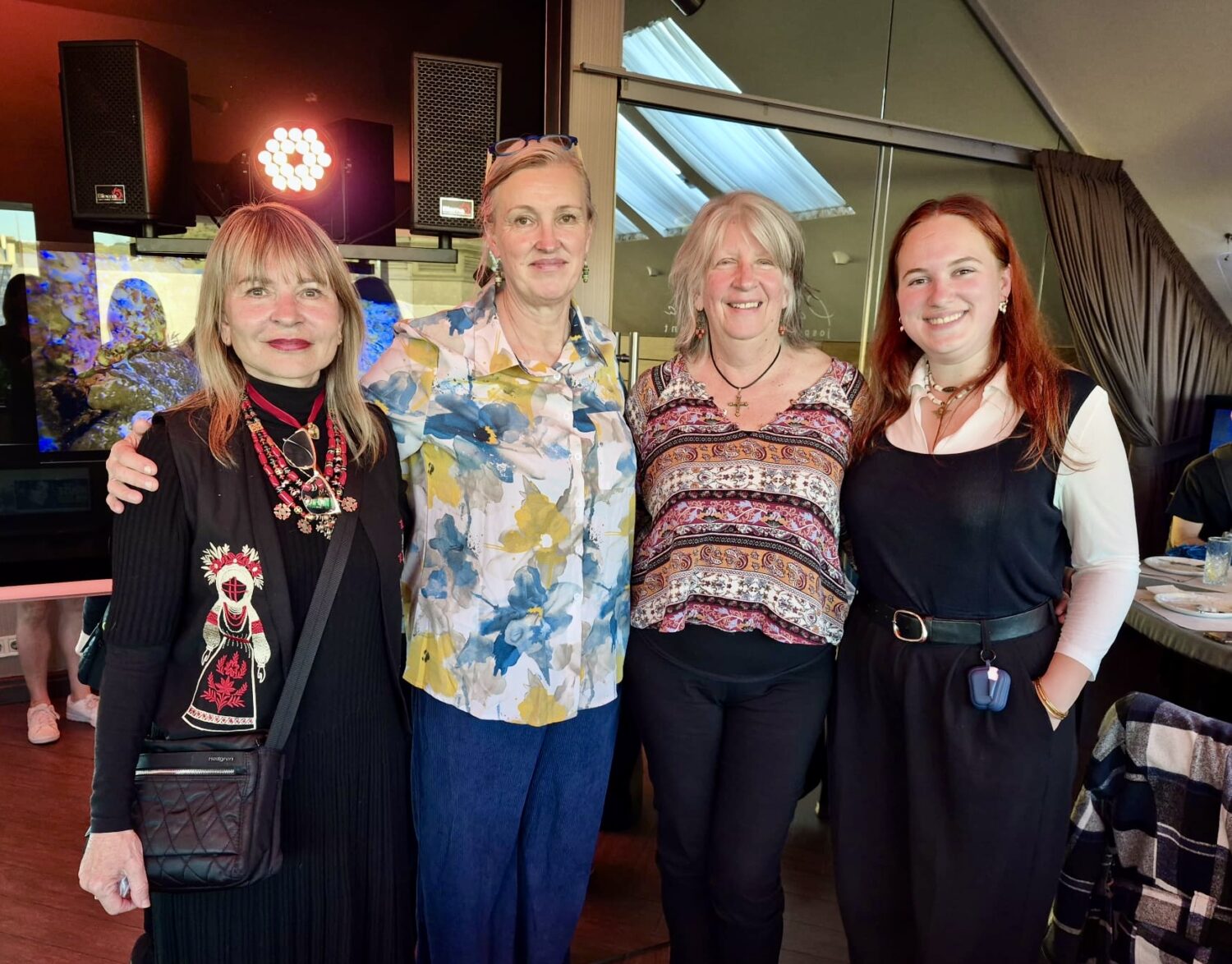
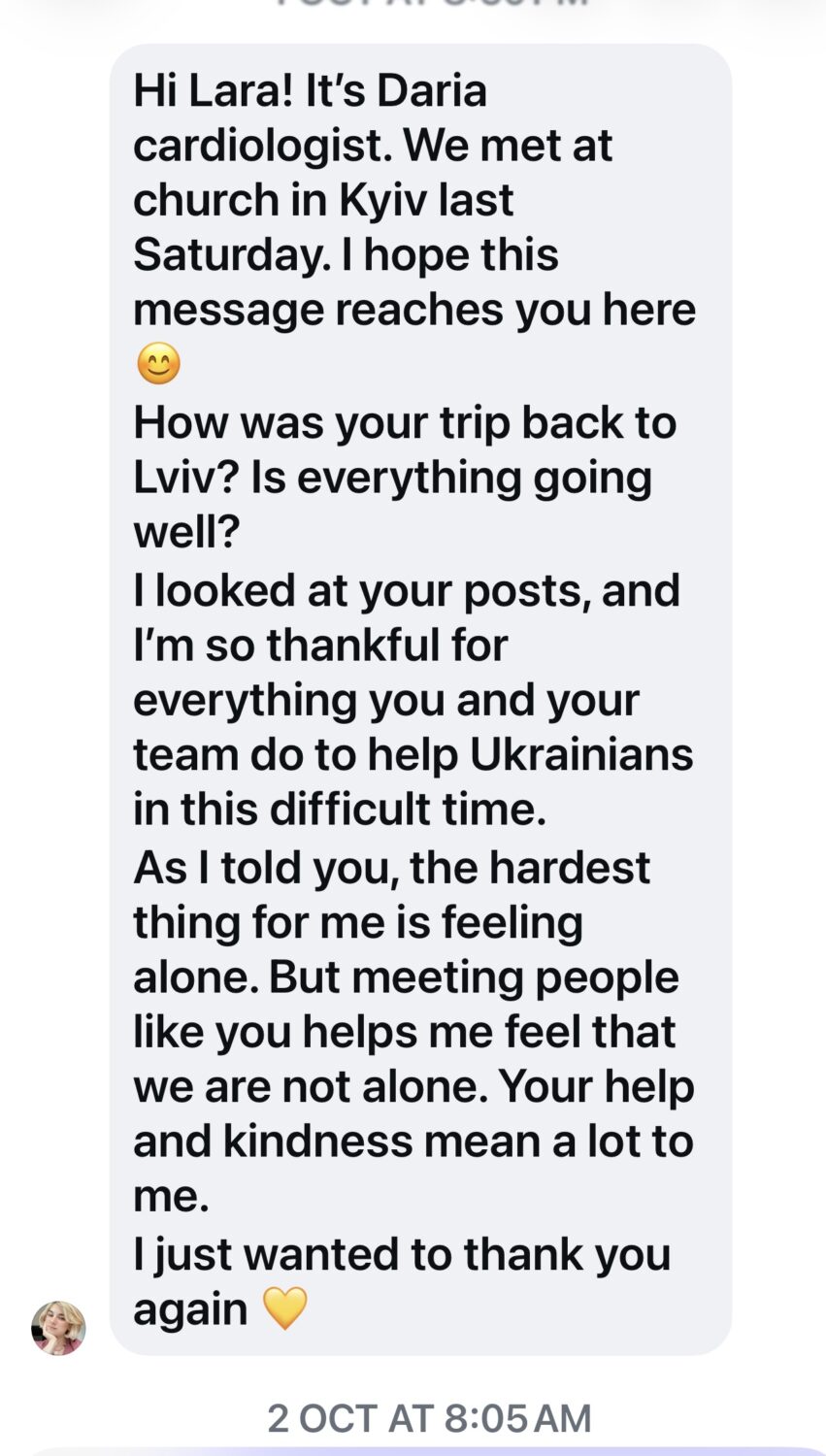
Two days of clinics. Wonderful specialist volunteers. One cardiologist got emotional telling me how much it meant that people came from the other side of the world to help — that some days Ukraine feels forgotten, and our being there told her otherwise. Days later, she sent me a message that’s stayed with me ever since; I’ve shared it below in the photo gallery.
A lab assistant worked a ten-hour day, so tired she could barely finish a sentence, then went home to a district under regular attack, sometimes spending hours in a shelter overnight. She still turned up to volunteer the next day. Each day a different medical student gave up their time to translate for us, one telling me how much their education had already been upended — first COVID, now the war.
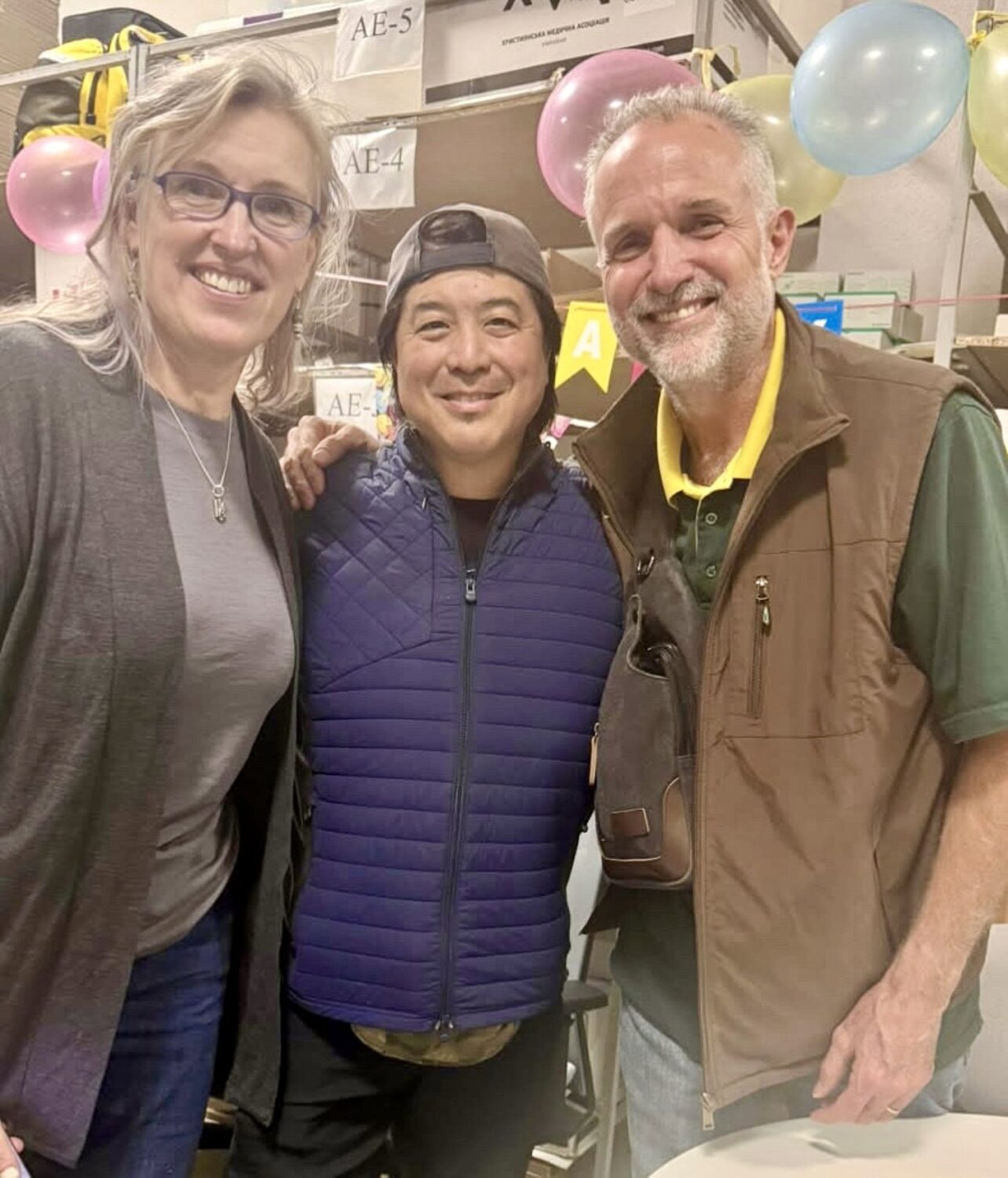
On the drive there we picked up Edgar, a CMA volunteer ophthalmologist with Ukrainian-Slovak parents who grew up in rural Argentina — he taught himself Ukrainian (and English!) from scratch and no longer needs a translator. He’s got a project idea with no project-planning experience behind it yet, so that’s something we’re going to help with. It was wonderful getting to know him; turns out we had a lot in common.
We’d also spent weeks organising participants for an emergency ultrasound training day being run by Ukraine Crisis Appeal — handheld ultrasounds and iPads generously provided by UCA and Dr Andrew, the Australian radiologist, with representatives invited from all four of our mobile clinic and POCUS teams, some travelling from the far east of the country. Days out, it had to be cancelled. Bridges into Kyiv were being hit, meaning our Kharkiv colleagues might not even make it in; health facilities were being targeted; and intelligence was predicting a serious missile attack for the exact window we’d planned to be there. Cancelling was simply the responsible call our friends made.
Before that decision, though, there were stories that brought things home. One doctor couple had arranged for their children to stay with their only safe option — their mother — until her village came under FPV drone threat and one of their teachers was killed by one. They asked, quietly, whether they could just bring the kids to the course instead. Another colleague we’d signed up had to evacuate from Vovchansk as Russian forces advanced; the day before the course, we learned her husband had just been killed on the front, and so she could no longer come.
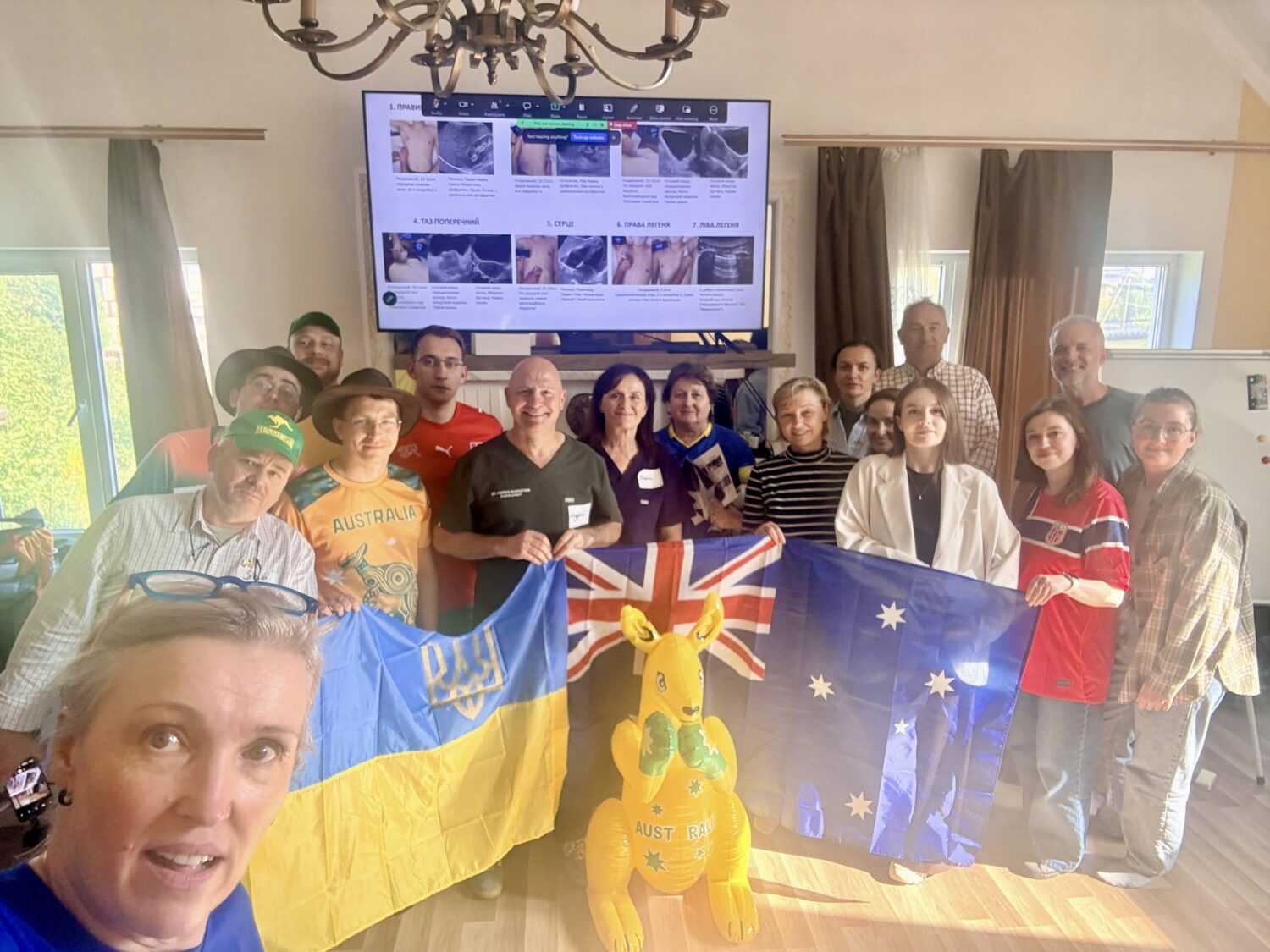
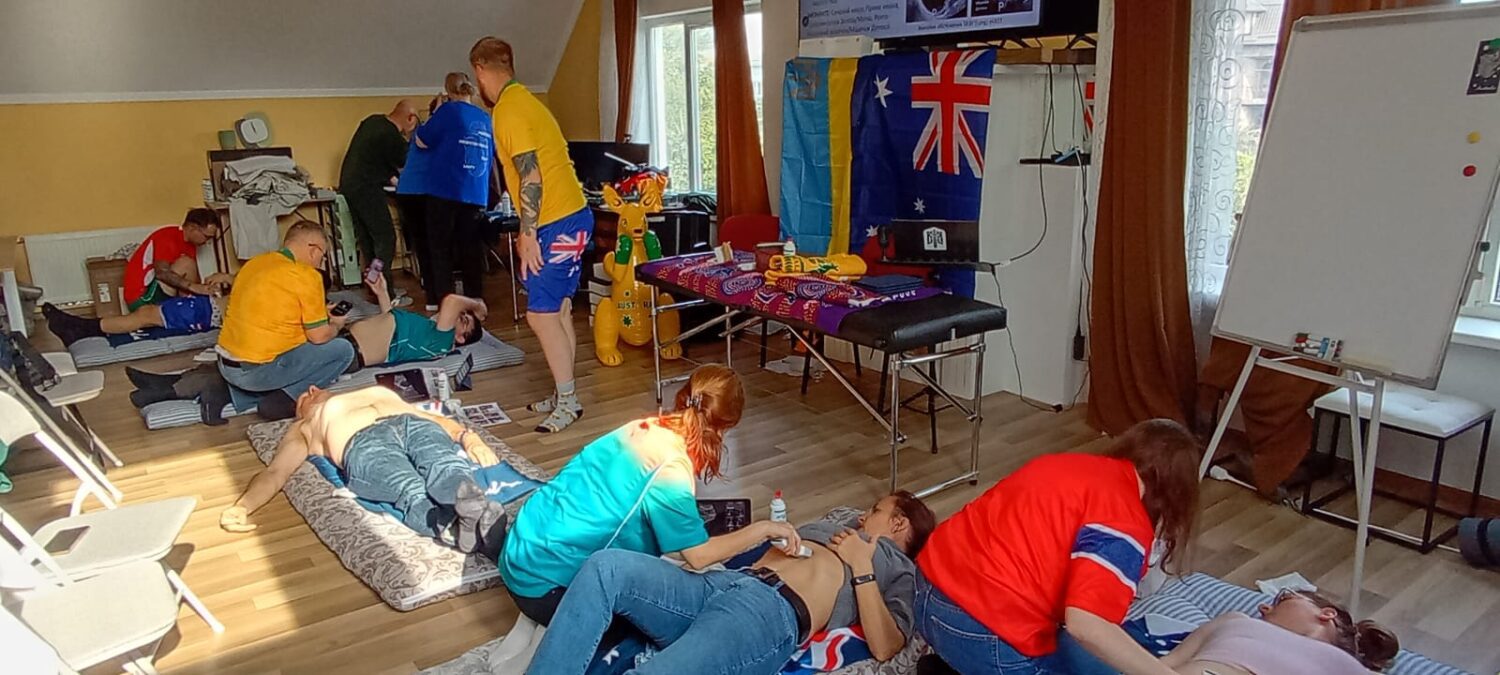
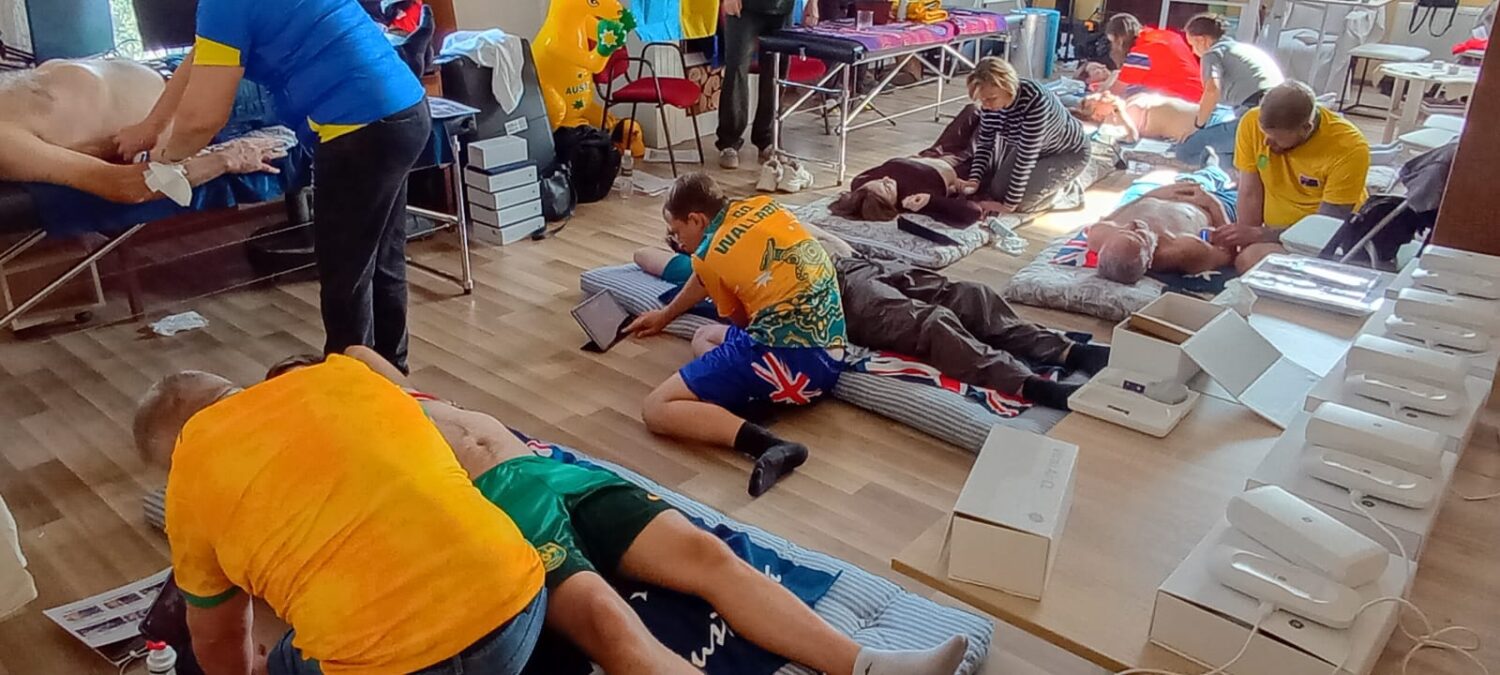
In the end, the training found us — Teresa asked if we could run it from our own house in Lviv, and it became our inaugural session in the training room we’d built. A genuinely great day. Our POCUS and Save-a-Life training manager won the eFAST challenge and walked away with an Aussie oilskin hat, and every one of our mobile clinic teams received a Vscan handheld ultrasound, donated by Ukrainian Crisis Appeal. Dr Andrew even bought us cups, glasses and a microphone for next time — house-warming gifts of the best kind.
In between all of it, there was a visit from Jon and Anita Clerke — Anita teaching and mentoring occupational therapists nationwide as a specialist hand therapist, Jon doing Bible teaching elsewhere in the country. She had some donated surgical loupes which was just what some of our surgeon contacts had been looking for.
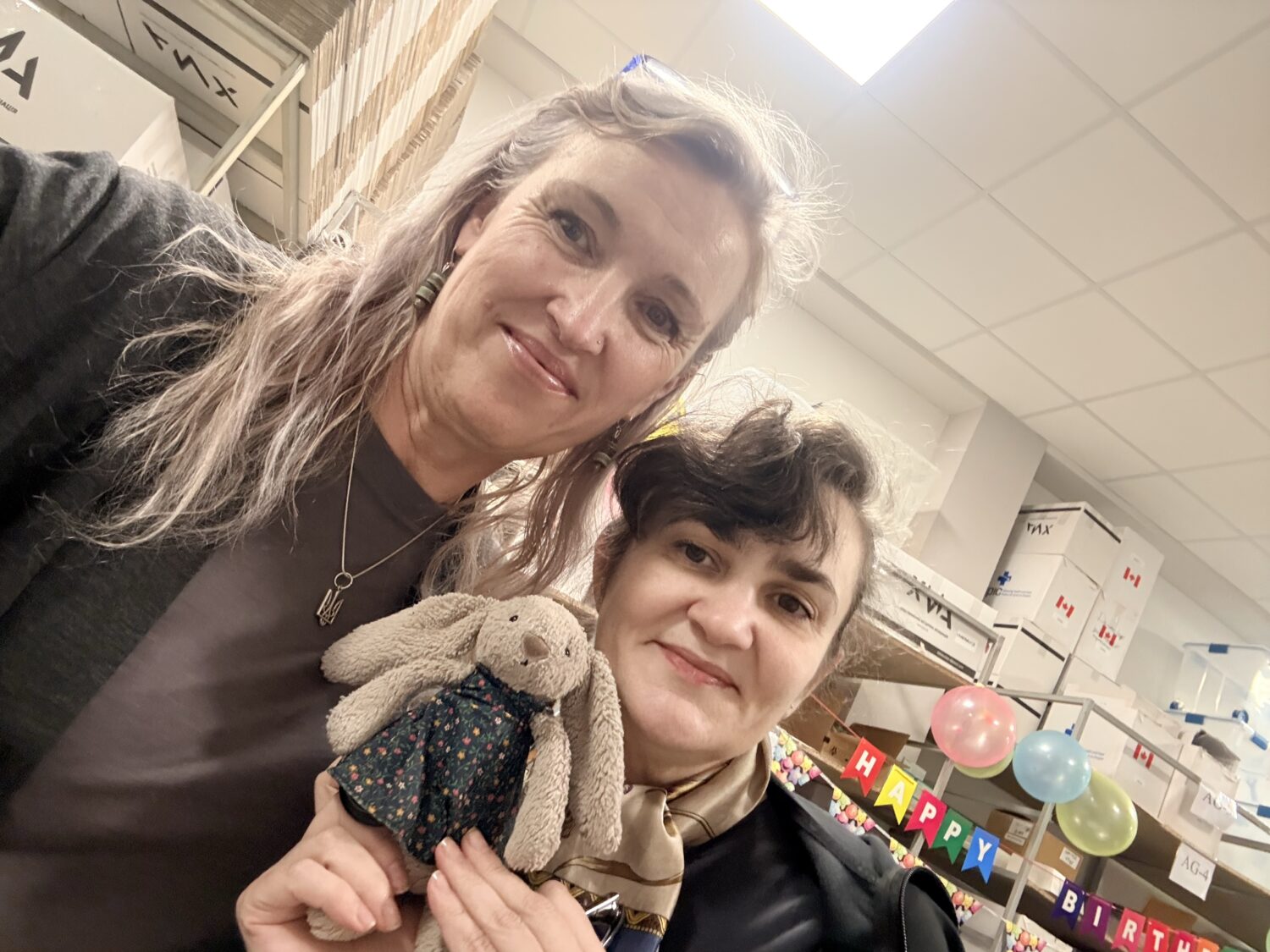
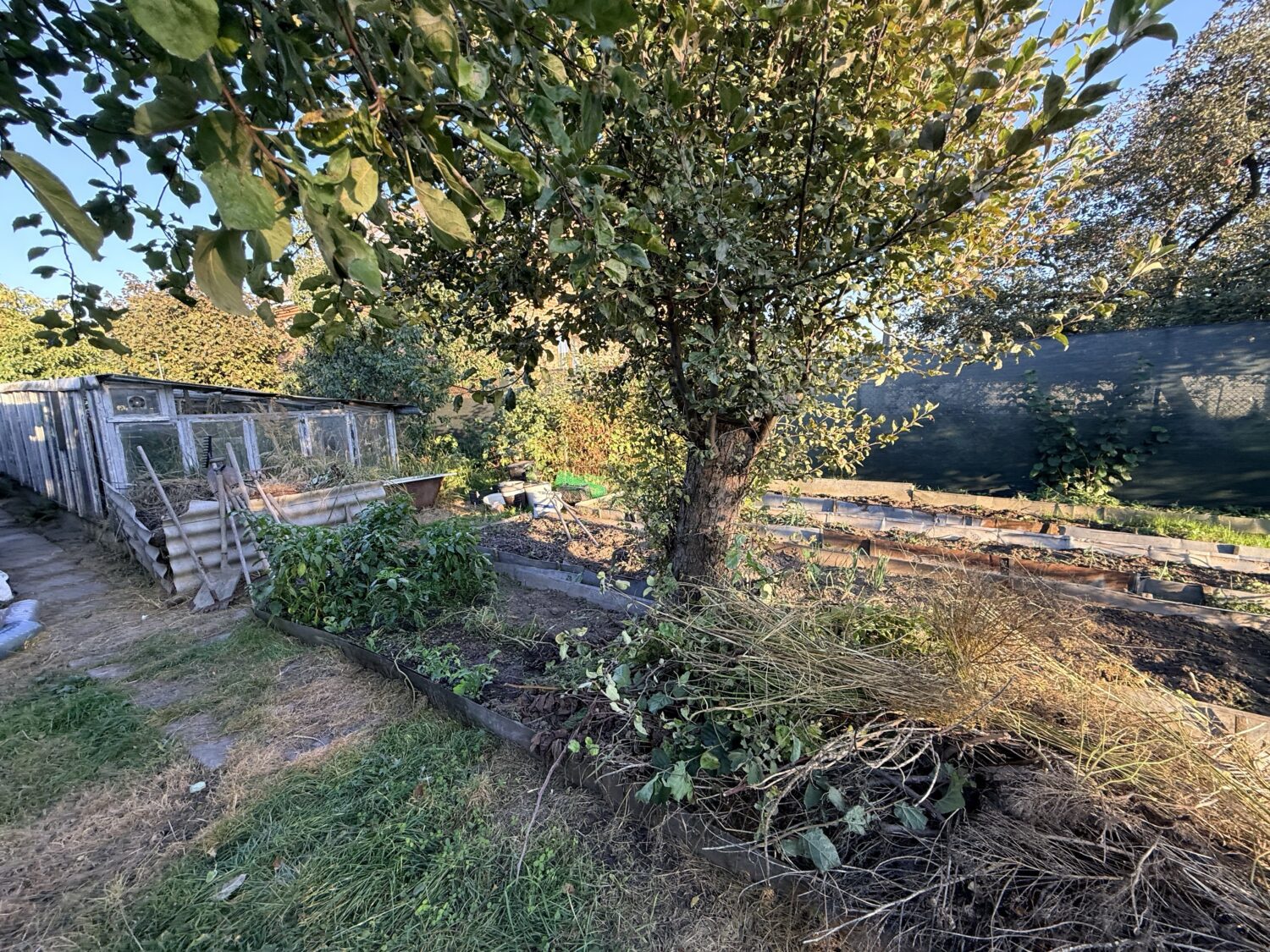
We said goodbye to Jen, our Australian volunteer, who was already planning her return before she’d even left. And we put the garden to bed for winter after one last harvest.
And then there was the latest instalment in what we’ve started calling the immigration saga. Just when we thought our residency application was finally done and dusted, we received a rejection letter. The reason, it turned out, was that our sponsoring organisation, CMA, hadn’t registered us by name in the official register of social services — a requirement so new that the volunteer who applied before us a few months earlier never had to meet it. Worse, despite having scanned and submitted every document only days before, we were told none of it could be reused; we’d have to start the paperwork over from scratch, including paying for an entirely new notarised translation of our passports. We duly organised it. Then, on the very day we were finally able to resubmit, we were notified that the state immigration system had been hit by a cyberattack and every system was down, suspending all applications indefinitely. Time is getting tight now, but it looks like we’ll be able to resubmit tomorrow — in theory, this time, it should all go smoothly. If Russian reconnaissance can predict a missile strike down to the shopping centre, you’d think our own bureaucracy could manage to keep a server running.
Through it all, you learn to laugh at the absurdities where you can. Even the ordinary sounds get recalibrated here — a plane overhead used to mean nothing. In a country with closed airspace, it means looking up to check whether it’s a fighter jet, probably off to intercept something — or, one day, hopefully, a Qantas flight bringing holidaymakers in instead.
We stay anyway, because the alternative — a world that watches this happen and decides it’s not our problem — isn’t one either of us can live with. Ukraine has shown up for other people’s crises without being asked twice. The least the rest of us can do is show up for theirs.
If this story moved you even a little, you can help us keep showing up at https://www.passingthrough.net/donating or learn What We Can Achieve With 200 heroes — every dollar goes exactly where you ask it to.