
When Memory Becomes Monument: Teaching Hope in the Shadow of War
Kyiv Region, October 2025
“Everyone is mentally tired,” the CMA worker told me quietly as we drove from Kharkiv to Kyiv. “Most of us have turned off our phone alerts now. We’ve given up calling friends to check if they’re okay. We’ve stopped watching the news.”
She’d left medical practice, she explained, because she after seeing the mobile clinics she realised she couldn’t bear the relentless trauma—one horrific patient story after another at the mobile clinics. No space to breathe between them. No time to process before the next wave of suffering arrived.
This is what sustained war does. It doesn’t just destroy buildings. It quietly erodes the human capacity to feel.
The Weight of Waiting
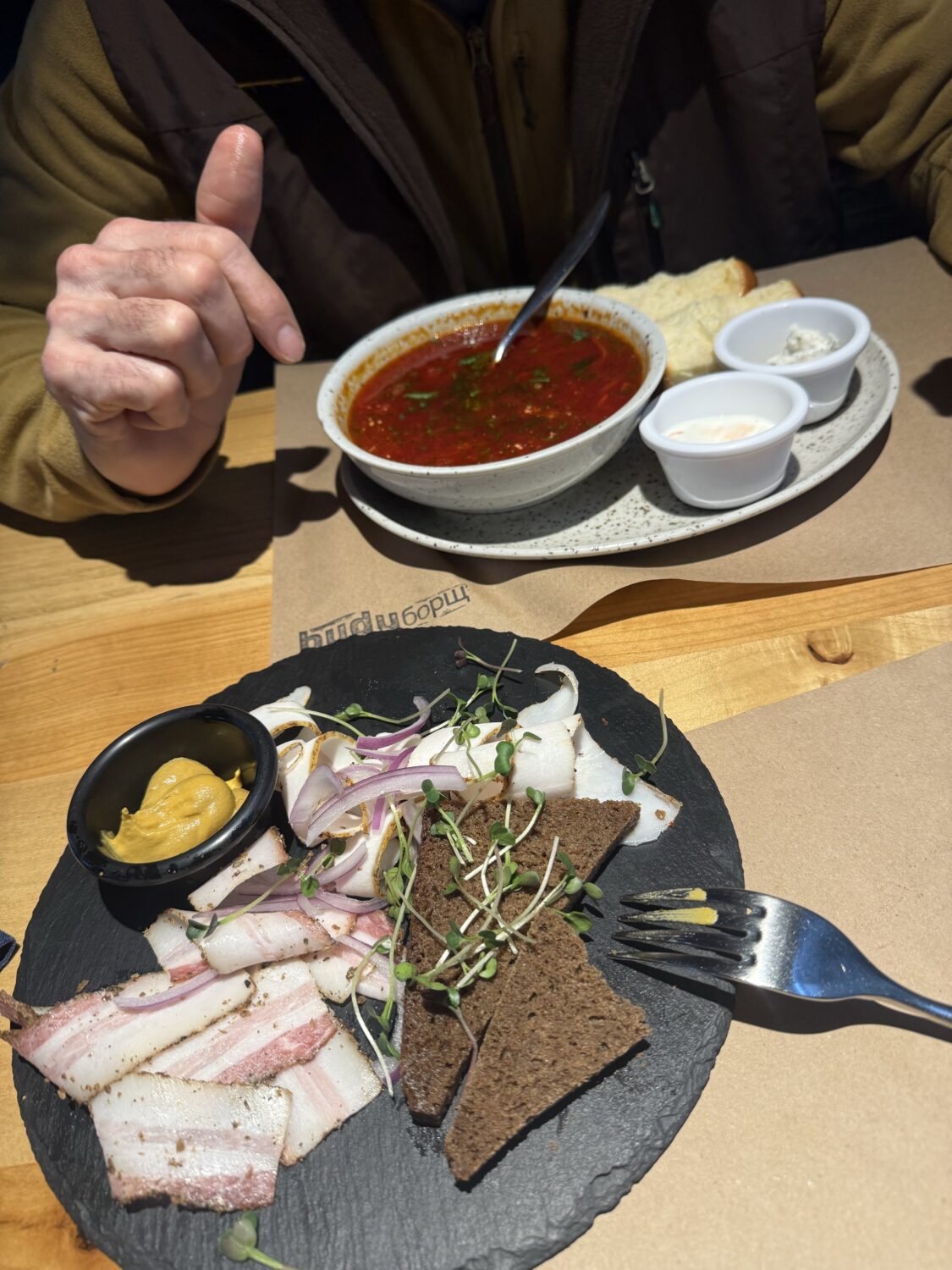
We had traditional Poltava cuisine for lunch in Poltava on the way (where Dr. Mykola knew the best spot).
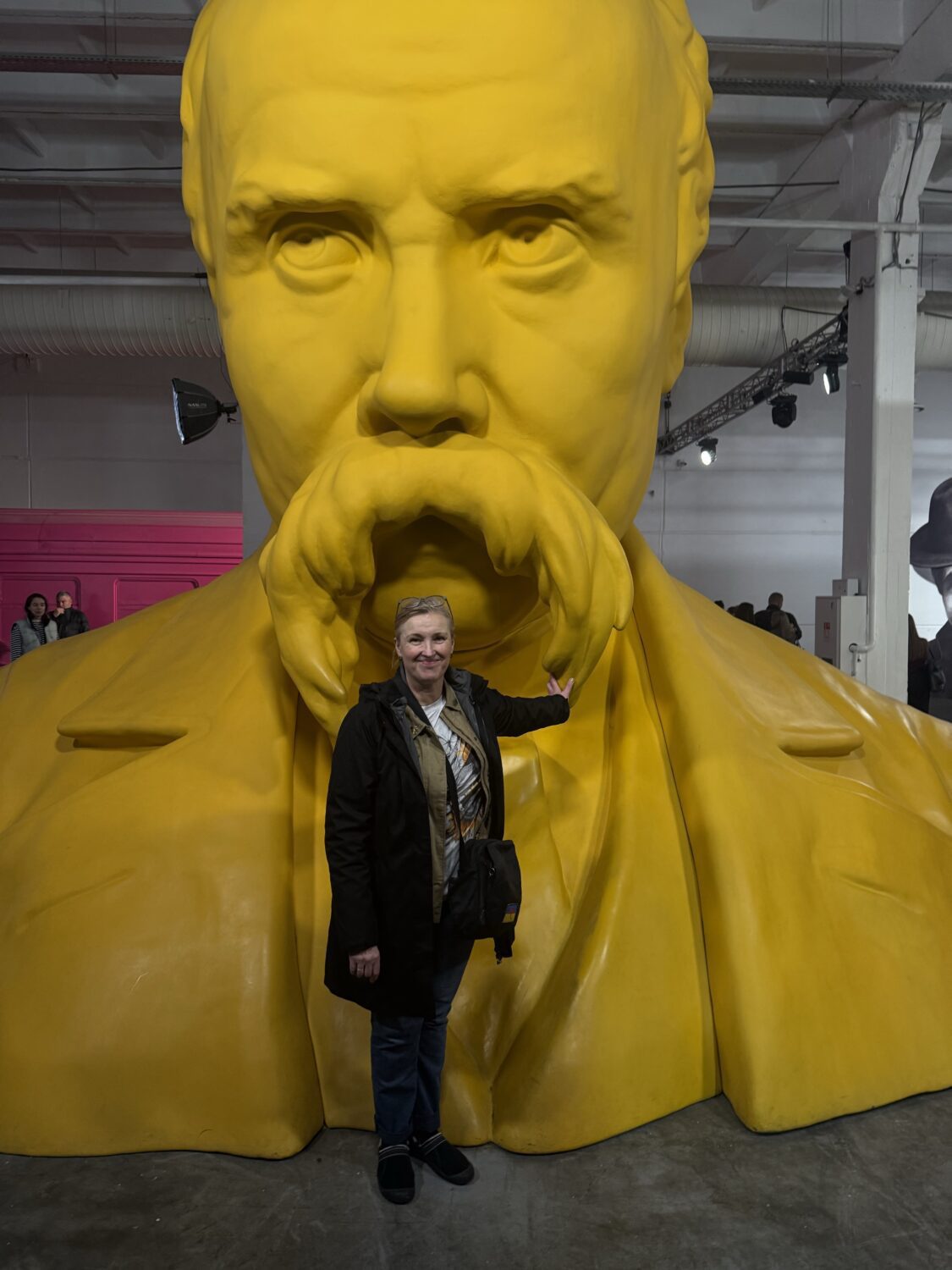
We had arrived in Kyiv in time to catch a slot in a temporary exhibition that was on at the train station called “Ukraine WOW”. It was done by an NGO aiming to preserve the history and culture of Ukraine. There was a lot of history there – from ancient times through to more recent times. When I saw the videos of people celebrating in the streets in 1991 when they regained independence I felt quite emotional – thinking about the part my grandfather had played in that and what it had meant to him – one year before he died.
Later, over traditional Ukrainian food in Kyiv for dinner the conversation shifted to more immediate fears. Mykola’s mobile clinic operations were unravelling. One nurse’s husband had been mobilised—she might need to stay home with the kids. The other nurse, of conscription age, was facing issues with his educational exemption. If he ventures out, he could be picked up and sent to the army.
And Mykola himself? Already picked up for mobilisation. His Hashimoto’s thyroiditis might grant an exemption, but that’s “under discussion.”
“If I have to go, I’m ready,” he said simply. “I accept whatever God has in store for me.”
I thought about this later in our basement apartment in Kyiv—a blessing we didn’t take for granted, sleeping peacefully in what was essentially a bomb shelter. I thought about how hard it was for me to imagine these people I’d come to care about being sent to war. And then I realised: if it’s this painful for me after knowing them only briefly, how is it for Ukrainians whose friends, classmates, sons, brothers, colleagues, husbands, uncles could all be mobilised at any moment?
Many already have been.
I can’t even imagine it.
Routes of Memory: Then and Now
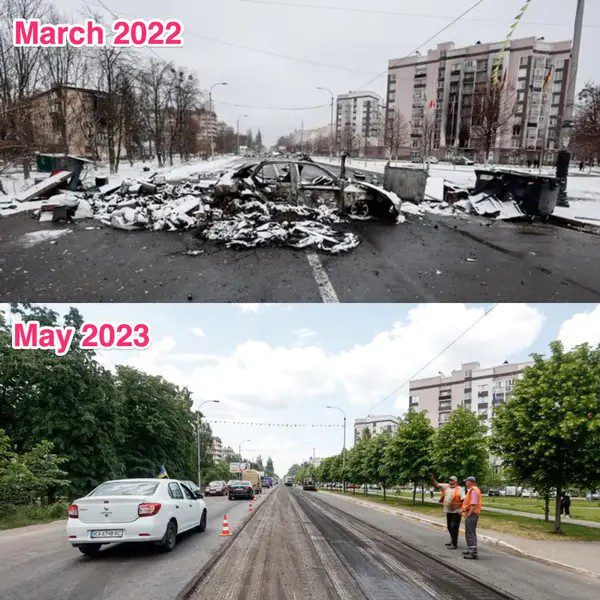
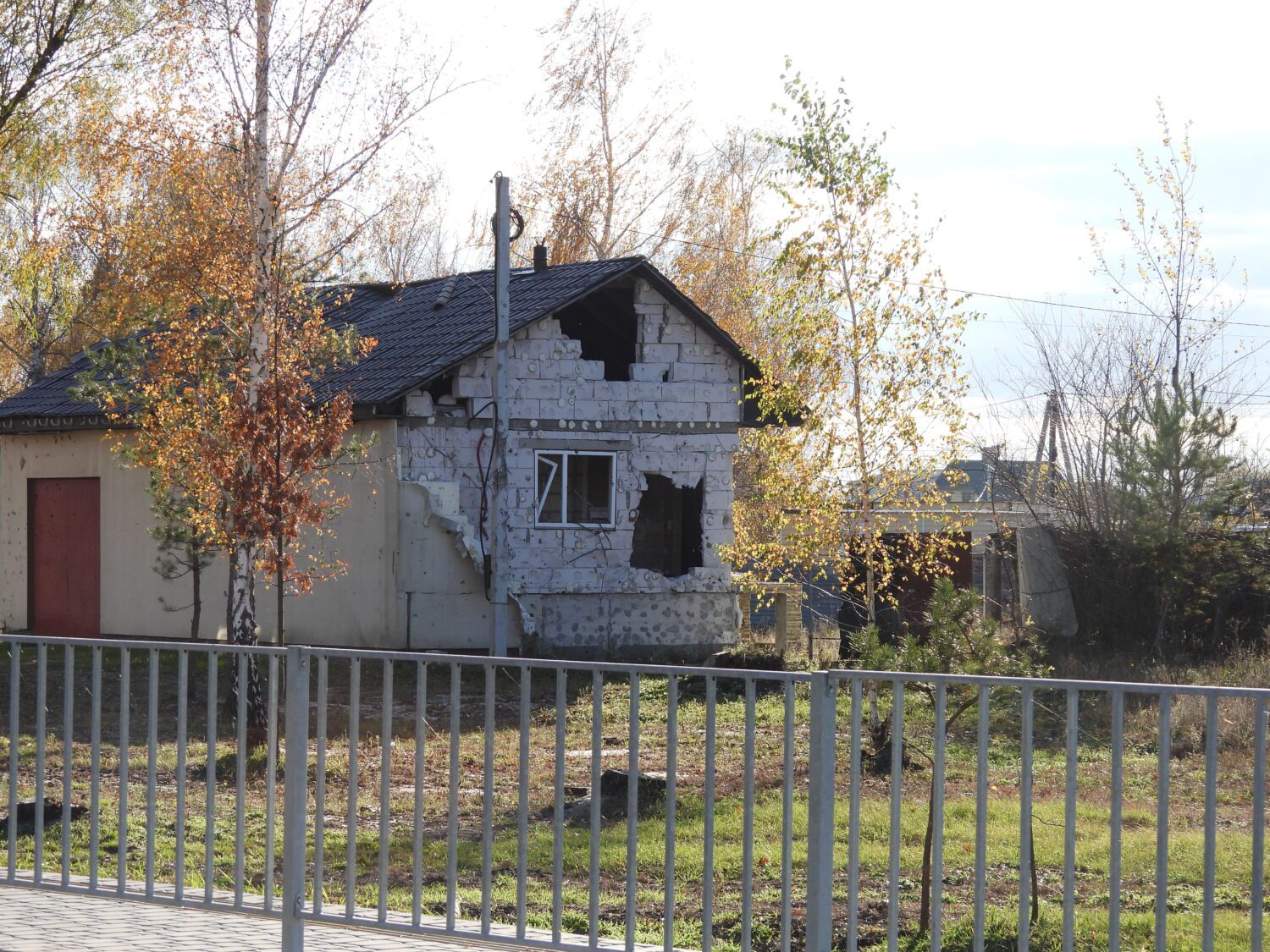
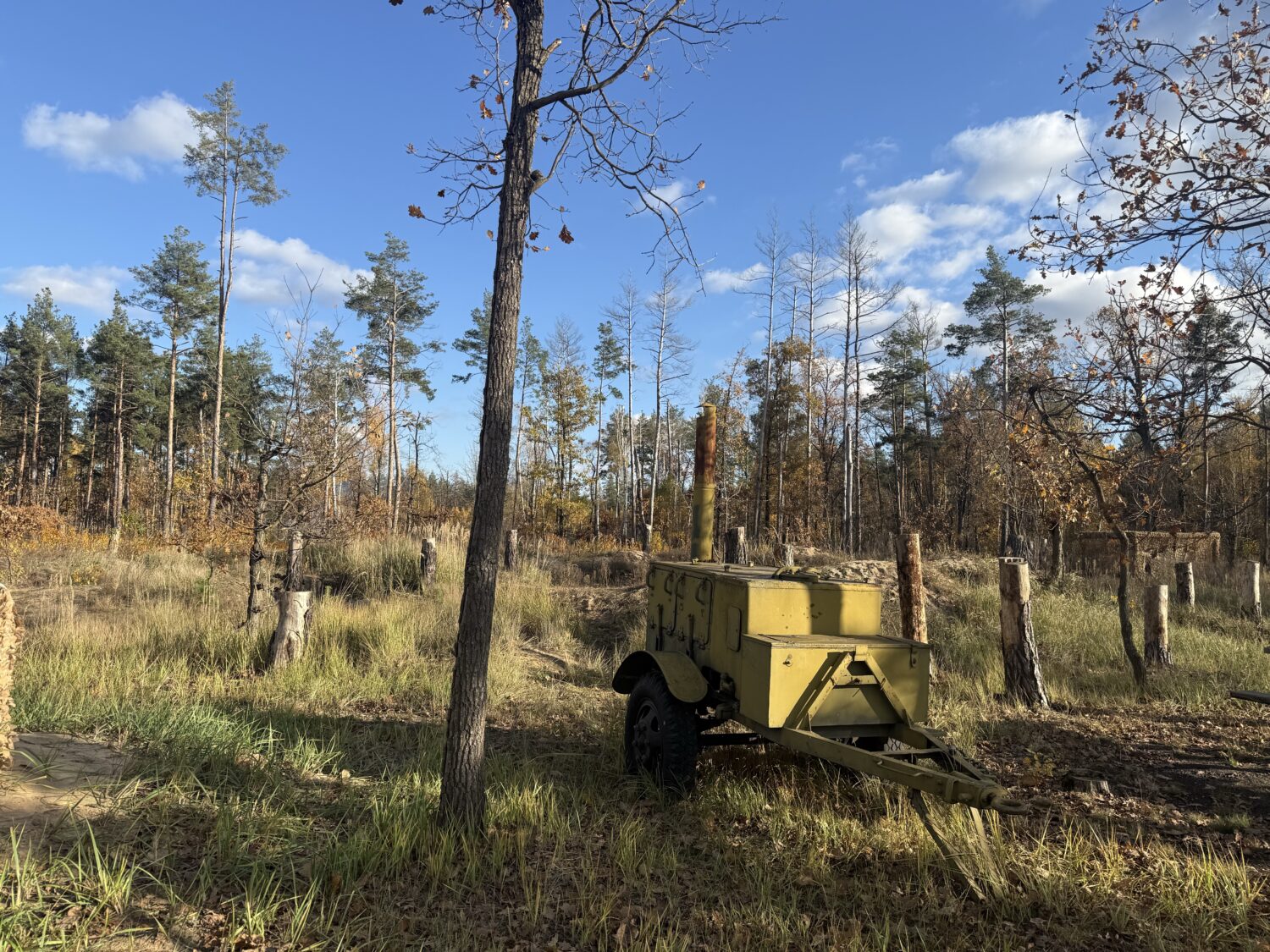
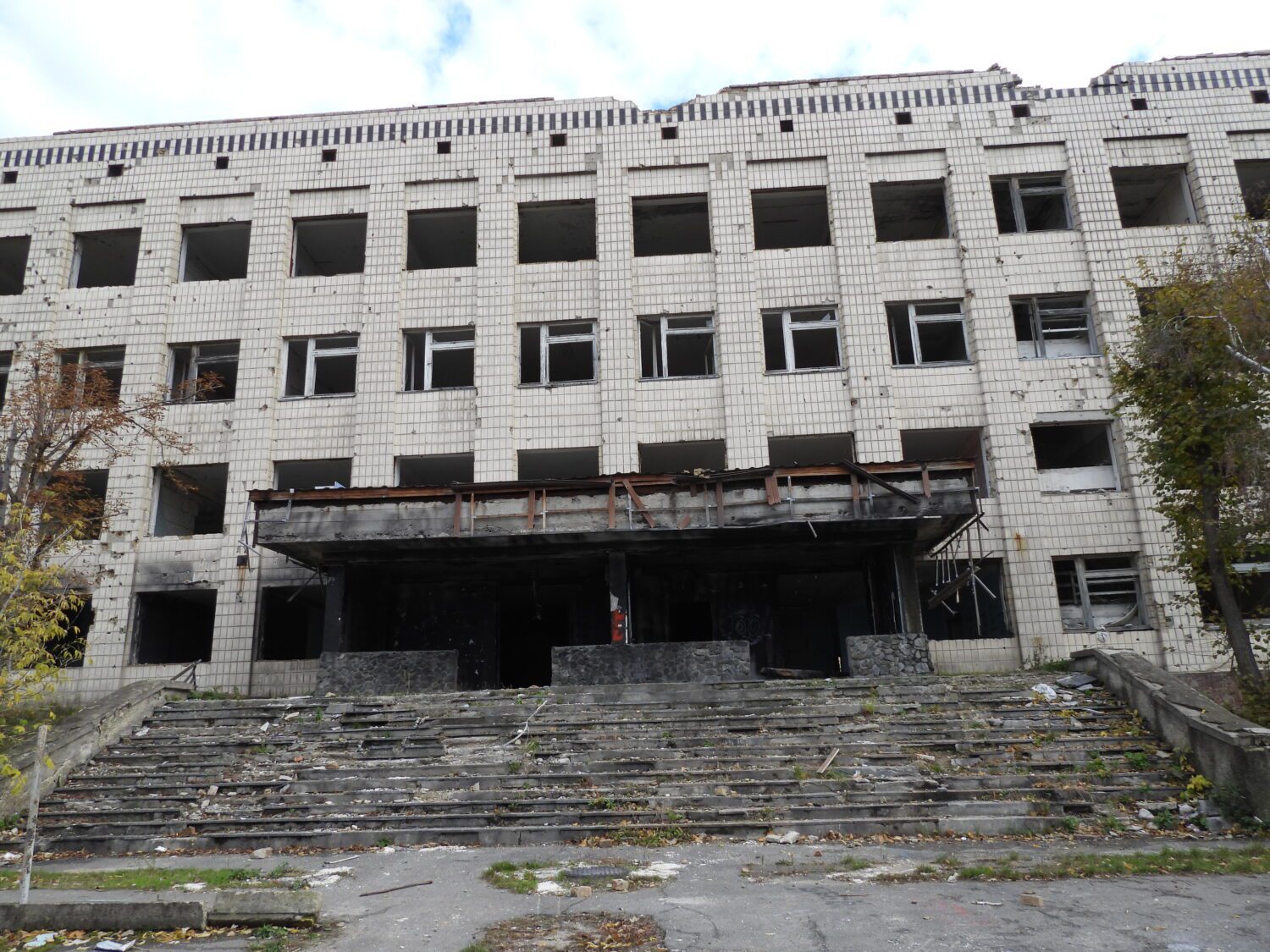
Kyiv bristles with checkpoints, foxholes, trenches, and razor wire—reminders that Russia attacked from here, and they’re not actually very far away. Ron hadn’t seen the places of memory around Kyiv yet, so we took our car out to Bucha, Irpin, Hostomel, Borodianka.
But it felt different this time.
When I came in 2023, an army chaplain showed us around—someone who’d witnessed the invasion firsthand. These weren’t tourist sites then. They weren’t on any map. Shrapnel still littered the ground. Bits of Russian military paraphernalia lay scattered. Original trenches remained untouched. It was raw. Unprocessed. The horror still hung in the air like smoke.
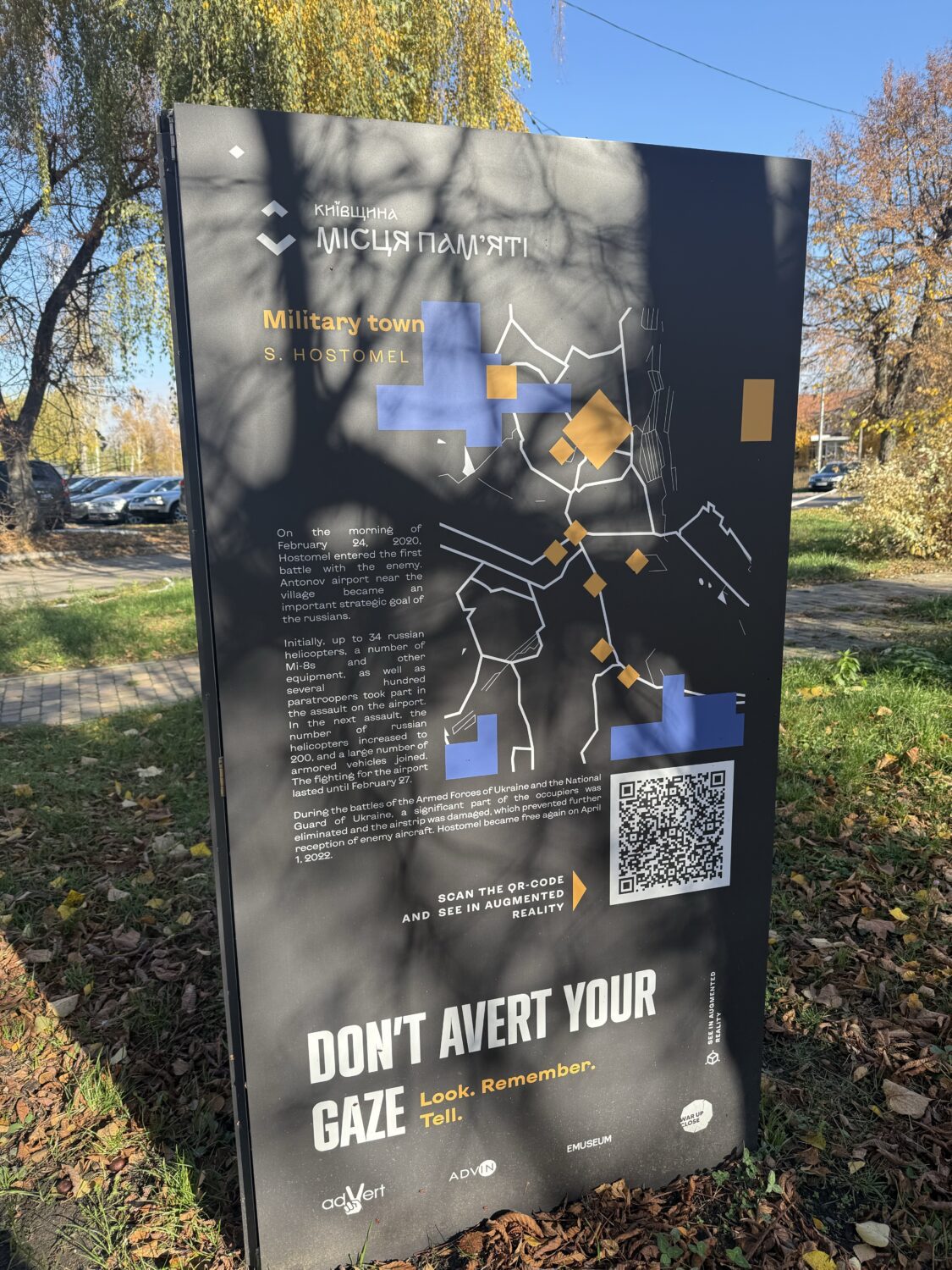
Now they’ve been formalised into the “Routes of Memory”—a national project with plaques, QR codes, information boards. The sites have been cleaned, curated, made accessible for international delegations and journalists. It’s important work. These stories must not be forgotten or erased.
But something is lost when trauma becomes tourism.
Still, the truth remains unchanged: Bucha’s Yablunskaya Street, where over 70 civilians were executed and left on the roadways. The mass grave at St. Andrew’s Church where 119 bodies were discovered. Irpin’s destroyed Romanivsky Bridge—the “Road of Life”—where thousands crossed under fire, carrying children and whatever they could manage.
Hostomel’s devastated airport, where the battle for Kyiv was truly won or lost. The remains of the Mriya—the world’s largest aircraft, the “Dream”—still sitting under its skeletal hangar, nose torn off, fuselage riddled with holes. An aviation marvel reduced to monument.
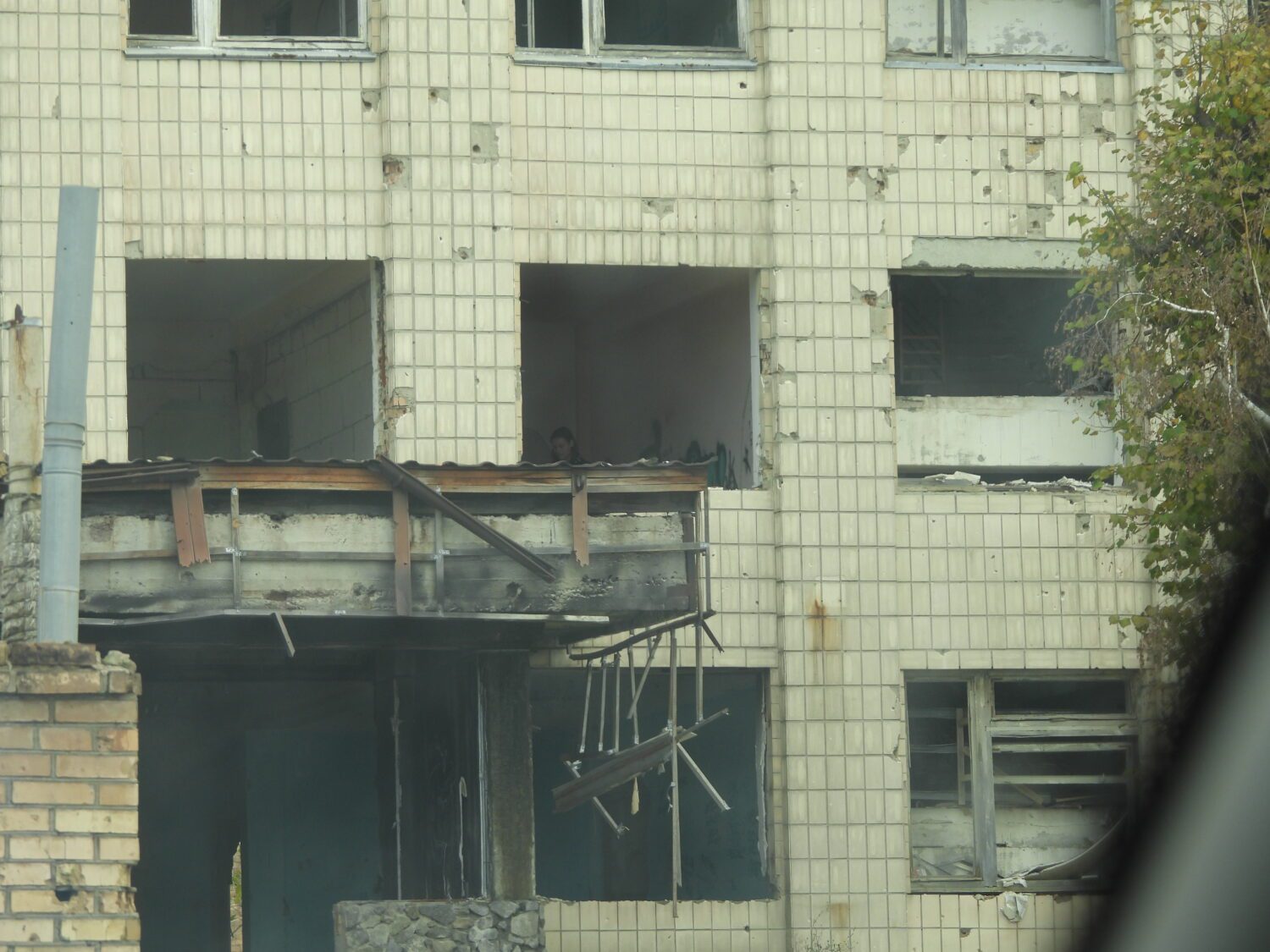
Borodianka’s gutted apartment blocks, revealing wallpaper in different colors on each exposed floor.
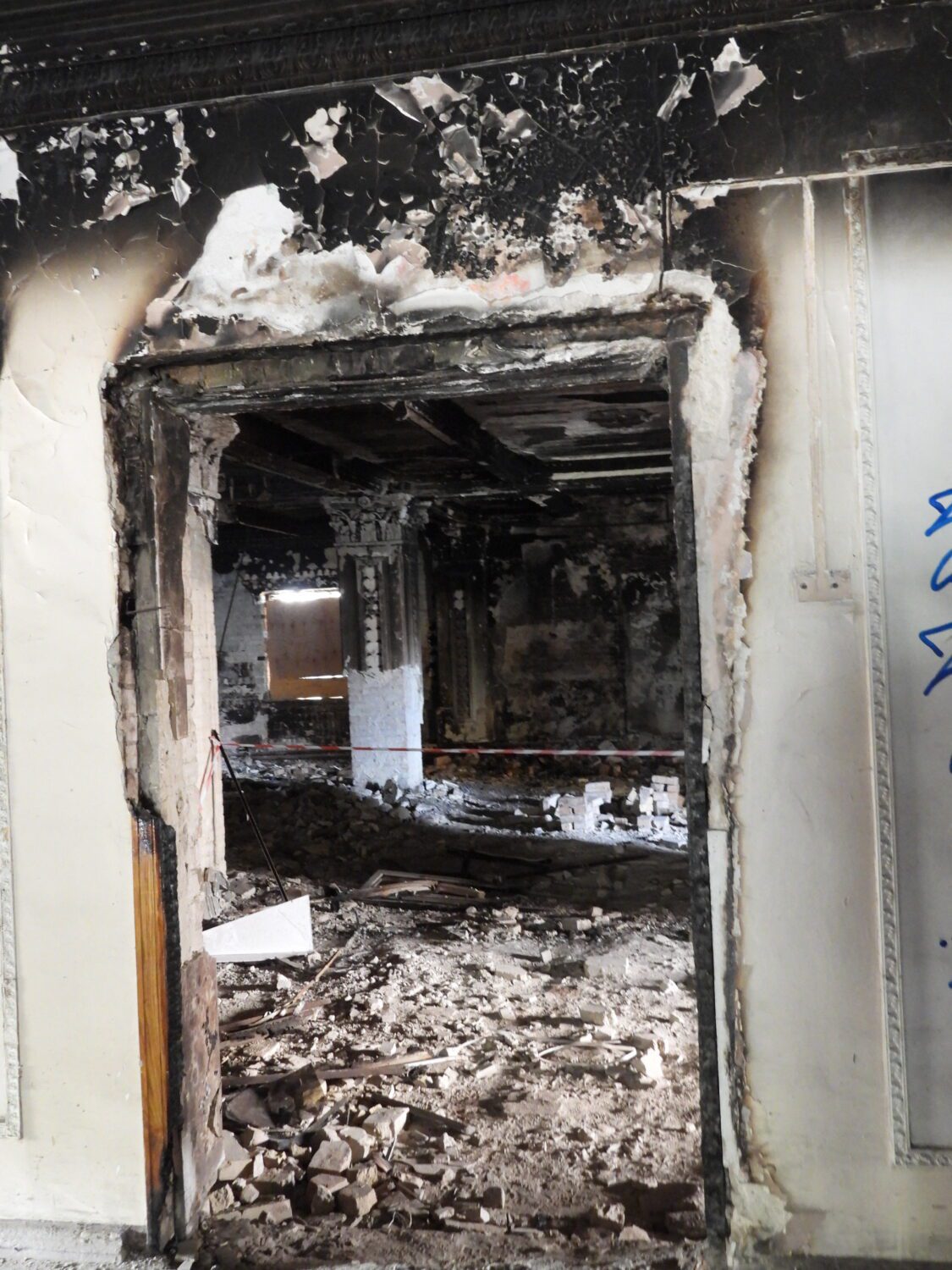
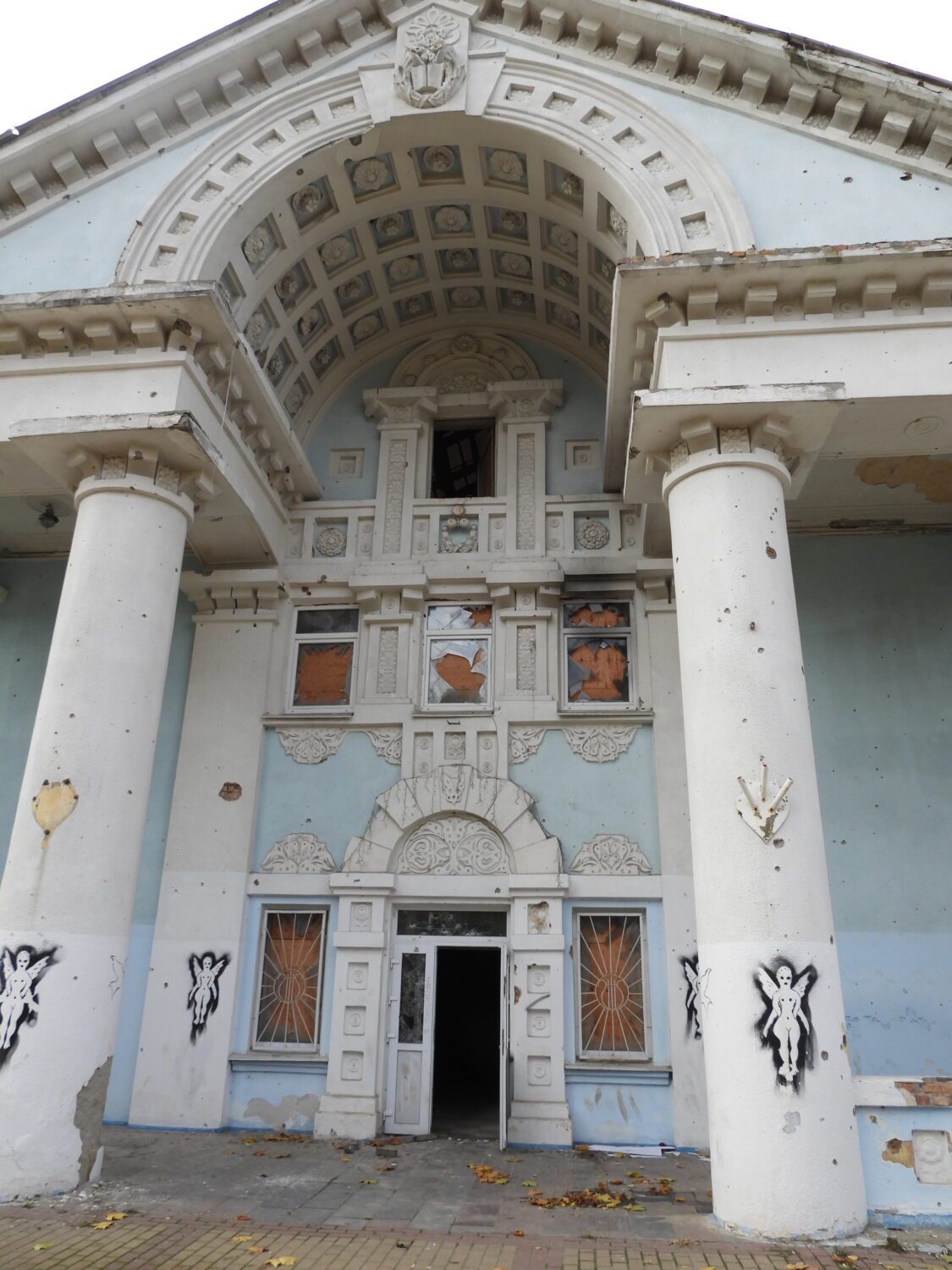
These places tell stories that should never be forgotten. Stories of how bedroom communities became battlegrounds. How Ukrainian defenders stopped a superpower’s assault on their capital. How civilians endured unimaginable brutality.
An Evening They Wouldn’t Forget
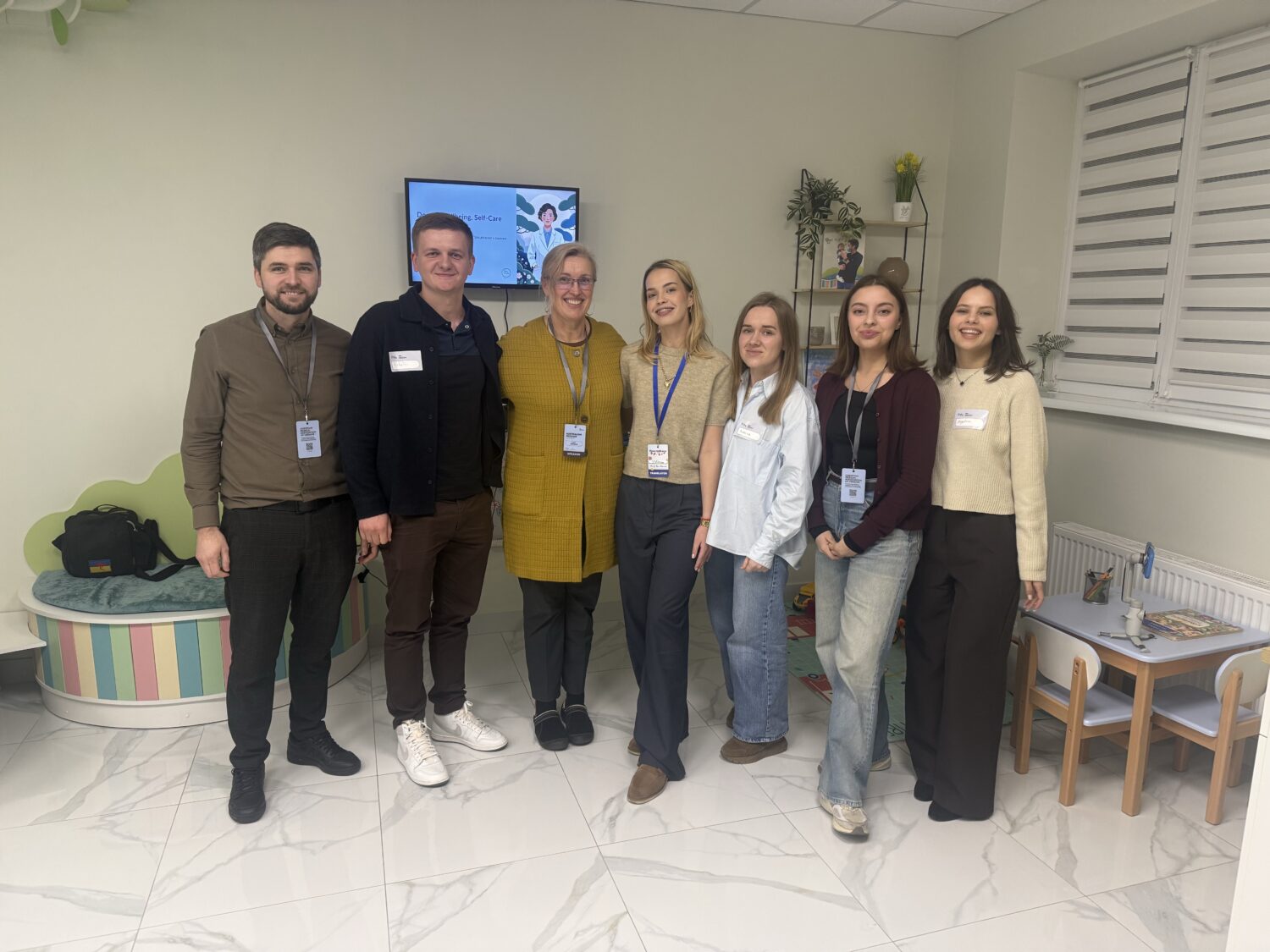
That evening at the FRIDA NGO headquarters, I was scheduled for a “small group session” with some volunteer doctors. It started with one male professor testing me out with cynical questions. (Always a fun challenge.)
By the end, he was my best friend—taking selfies, offering to help promote my grandfather’s book, the whole works.
As the allocated time came and went, people kept asking questions. We ordered pizza. The discussions deepened. When someone mentioned I had Ukrainian roots, a whole new conversation opened up about my grandfather’s involvement in Ukraine’s 1991 independence.
The boss, who normally wasn’t in the office, popped in to listen. He interrupted to give a speech about how wonderful and important my teaching was for Ukraine, then came out to shake Ron’s hand: “You have a wonderful woman in there!”
One student started crying, saying how much the evening had inspired her—she’d never forget this night. A doctor approached me afterward, tears in her eyes, saying this had been a night she wouldn’t forget for the rest of her life.
“Thank you for your wife,” Roman told Ron later. “What she is sharing is very important and wonderful.”
Why This Matters
Here’s what I’m learning on these missions: War doesn’t just need medical supplies and equipment. It needs hope. It needs people to show up and say, “You matter. Your work matters. What you’re facing is not forgotten.”
These Ukrainian medical professionals are working in impossible conditions—treating patients in bomb shelters, managing clinics while their colleagues get mobilised, teaching students who may themselves be drafted before they finish their training.
But they’re still showing up. Still learning. Still believing their work can make a difference.
Our medical training vehicle—the converted ex-school bus that your donations made possible—lets our partners bring education directly to these frontline communities. The online platform we’re developing will create sustainable access to training that doesn’t depend on whether someone can make it through checkpoints or air alerts.
Every mission, every teaching session, every conversation is an investment in Ukraine’s future healthcare capacity. When this war finally ends, these doctors and nurses will be the ones rebuilding their communities.
But first, they have to survive it.










Support our ongoing medical education missions to Ukraine. Your donations fund fuel for the medical training vehicle, equipment for teaching sessions, and development of the online platform that will provide sustainable access to training for Ukrainian healthcare workers. Every contribution directly supports those showing up every day despite unimaginable circumstances. You can also donate to our winter appeal, medical aid or humanitarian aid.
