

When the Lights Go Out, We Keep the Kettle On
We had our first proper multi-hour power outage this week. Not our first outage — Ukraine knows outages the way Far North Queensland knows humidity — but our first one that stretched into hours rather than minutes. It’s part of the rolling, planned cuts as the grid limps along, repairing what it can between Russian missile strikes on power plants elsewhere in the country.
Our battery backup system kicked in and kept the lights, the internet, and — crucially — the coffee machine running. Ron’s still fine-tuning a few things, and he’s racing the clock to get it right. Winter is coming, and intelligence suggests Russia intends to go hard after power and heat generation again this year, the way it already has across large parts of the country. They’ve reportedly developed drones fitted with blades designed to slice through steel transmission wires and towers, purpose-built to make repairs even harder. There isn’t really a polite word for that. It’s just evil, dressed up as engineering.
So we’ll do our very small part: keep a warm, lit place where Ukrainians who spend their days caring for everyone else can come and find a bit of respite.
Parcels, Loupes, and a Confident English Speaker
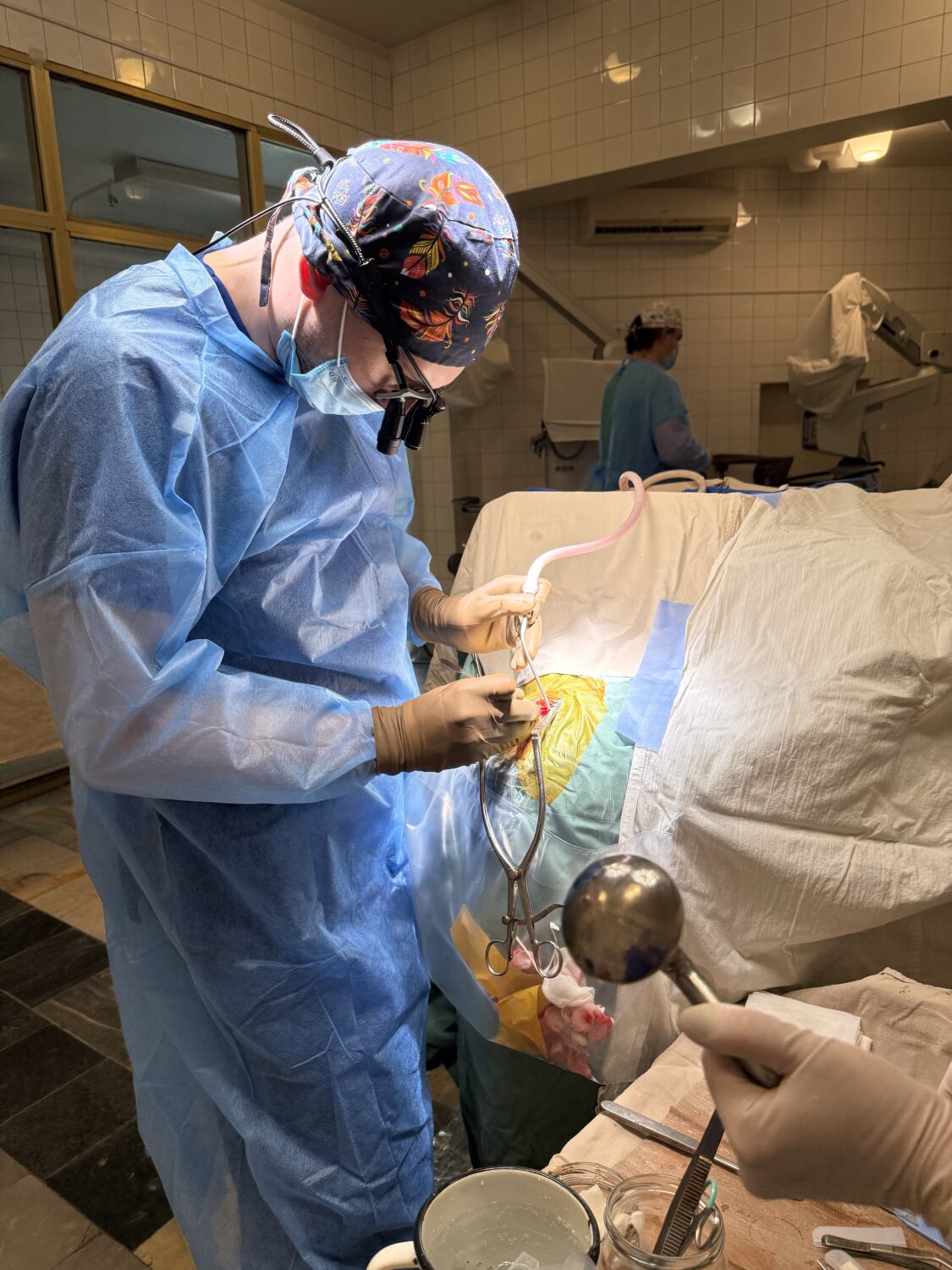
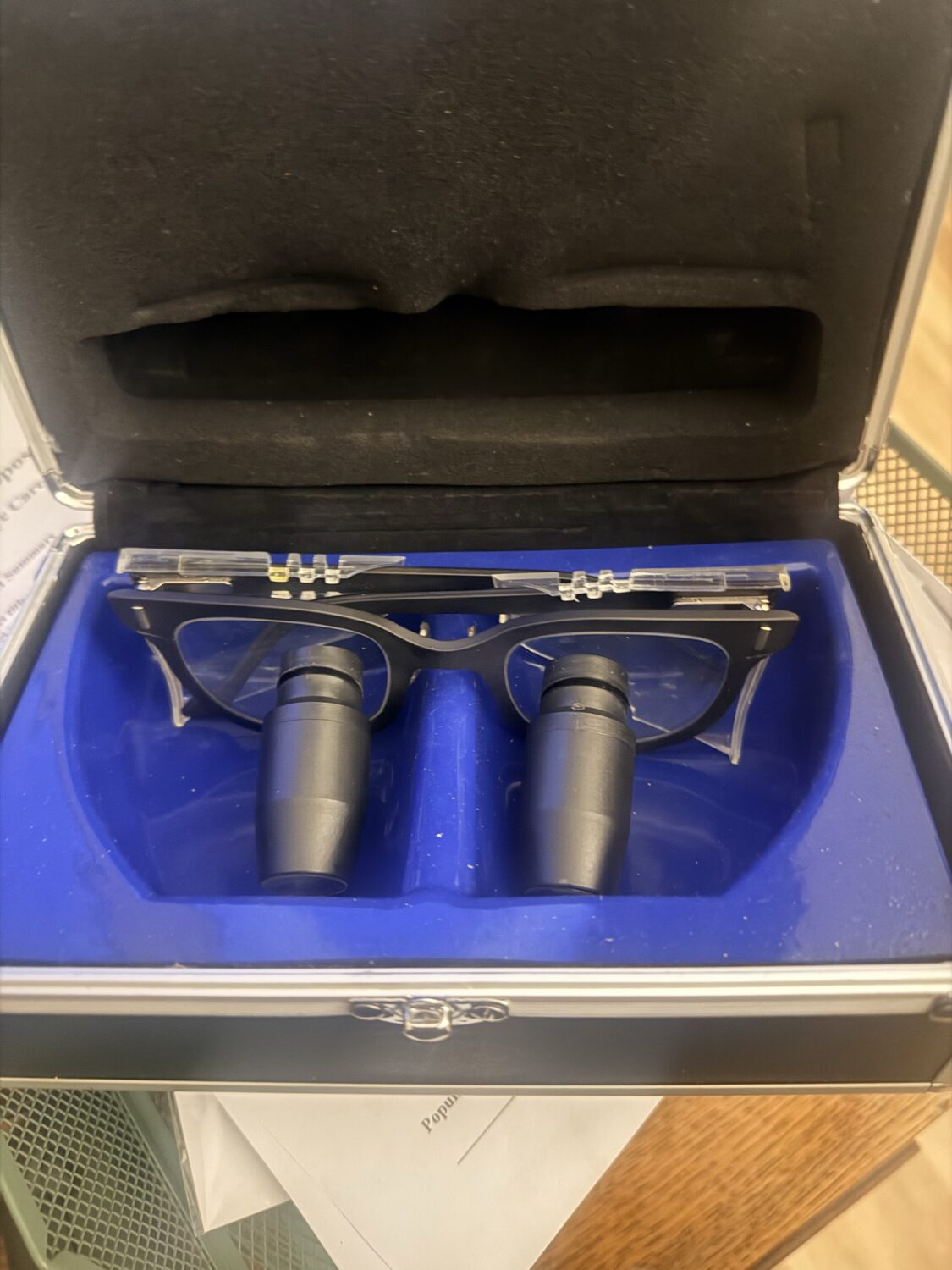
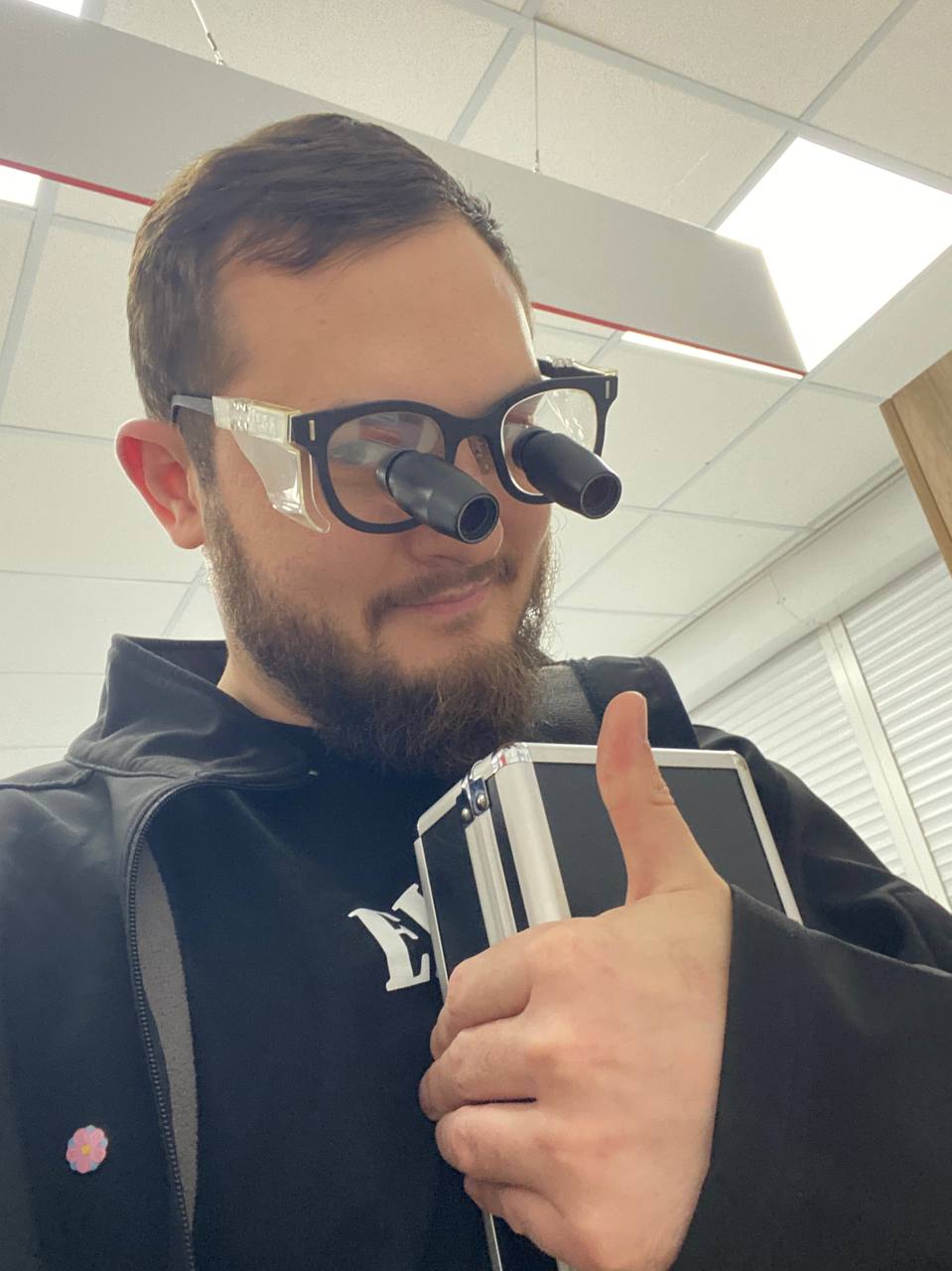
On the 21st, Ron made his first solo trip to Nova Poshta to send parcels — helped enormously by the one staff member there with confident English, who gets flagged down the moment they spot Ron walking in. He had a good chat while packing up V-Scan handheld ultrasound machines, donated by the Ukraine Crisis Appeal, bound for several recipients, along with a box of surgical loupes.
Those loupes were collected in Ukraine by our hand therapist friend Anita, through her own network of contacts — more about her HERE— and we were sending them on to a surgeon friend, Davyd, in Dnipro. (Learn more about Davyd HERE)
Into the Mountains for a Prison Clinic
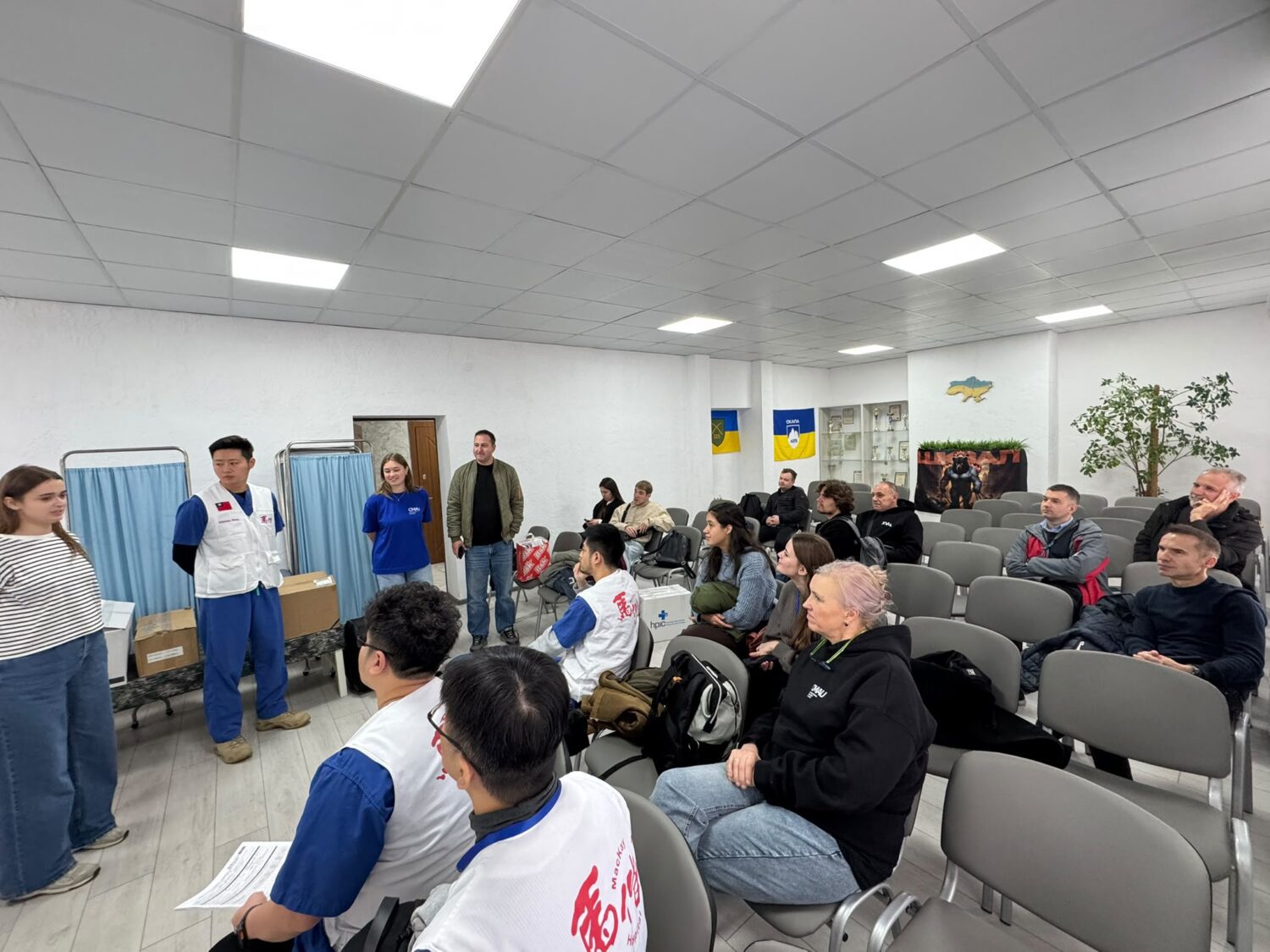
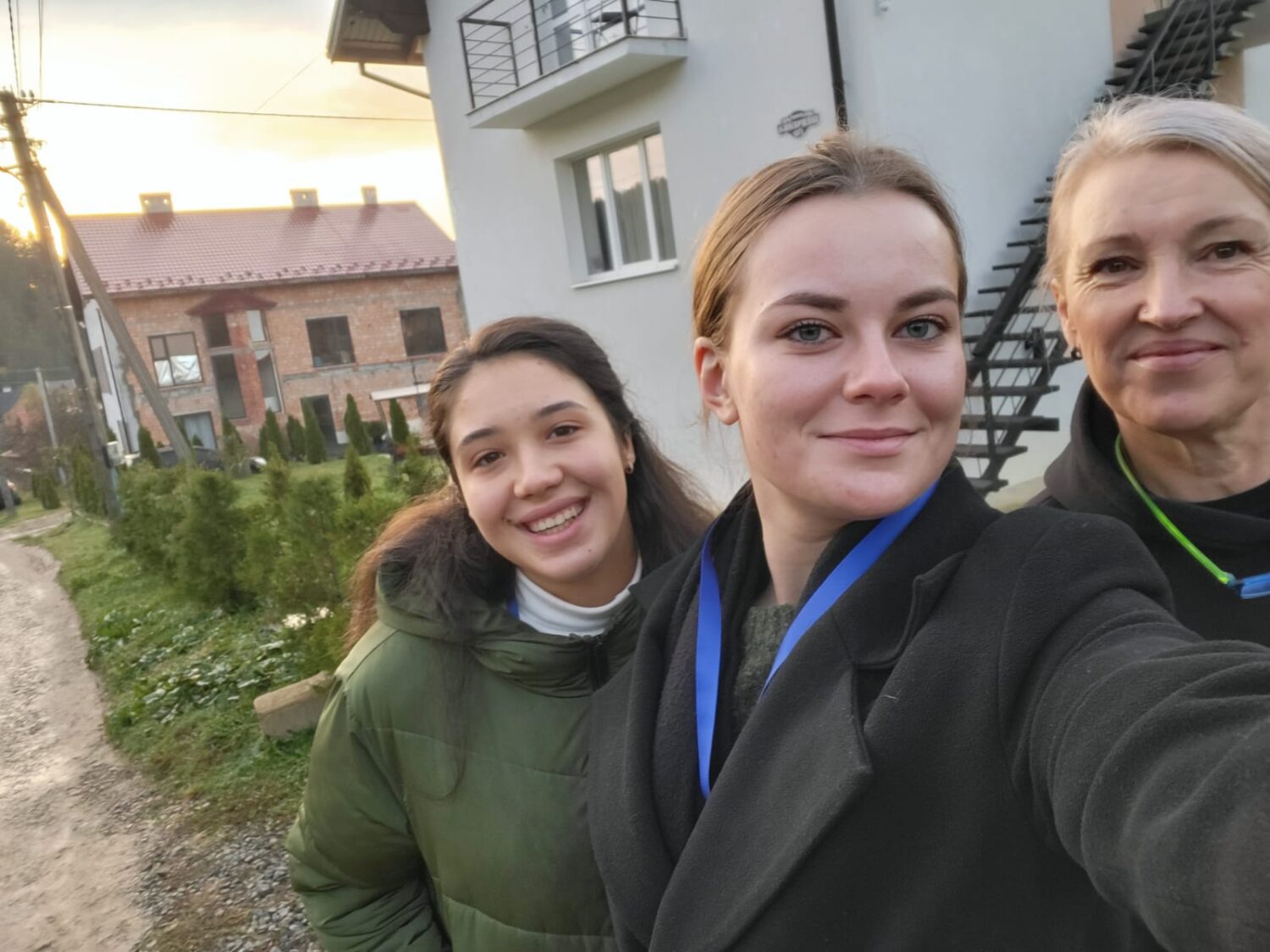
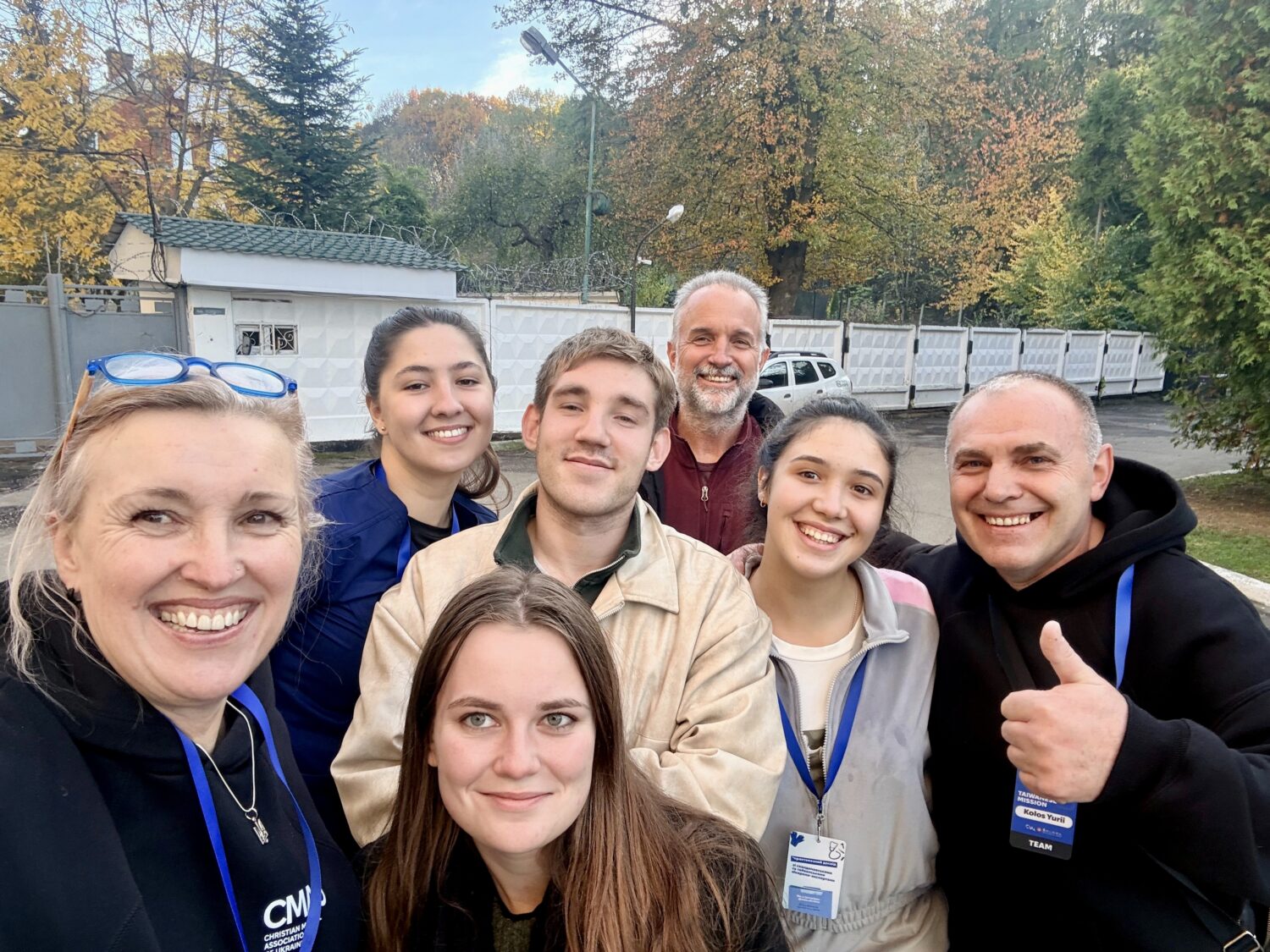
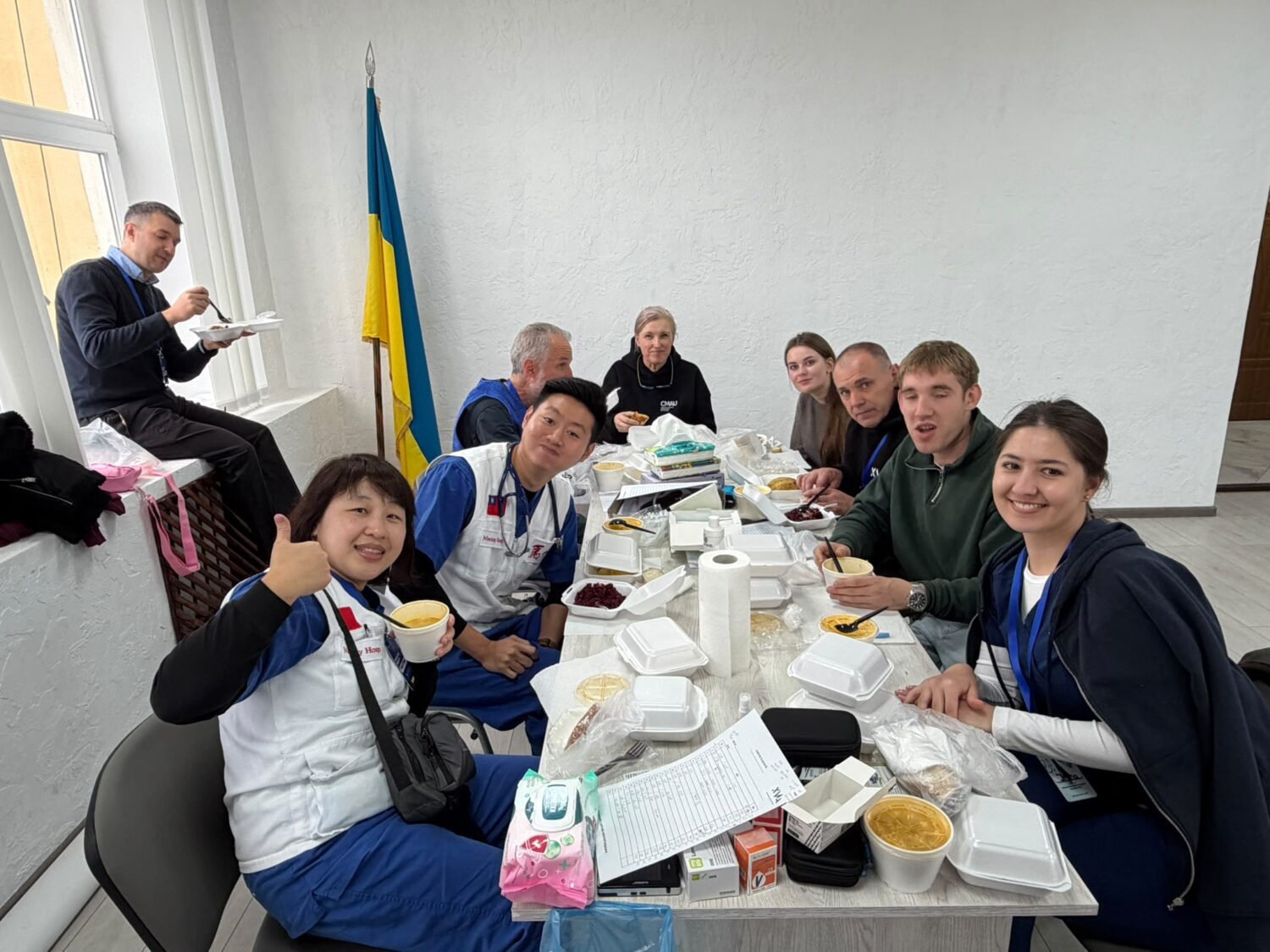
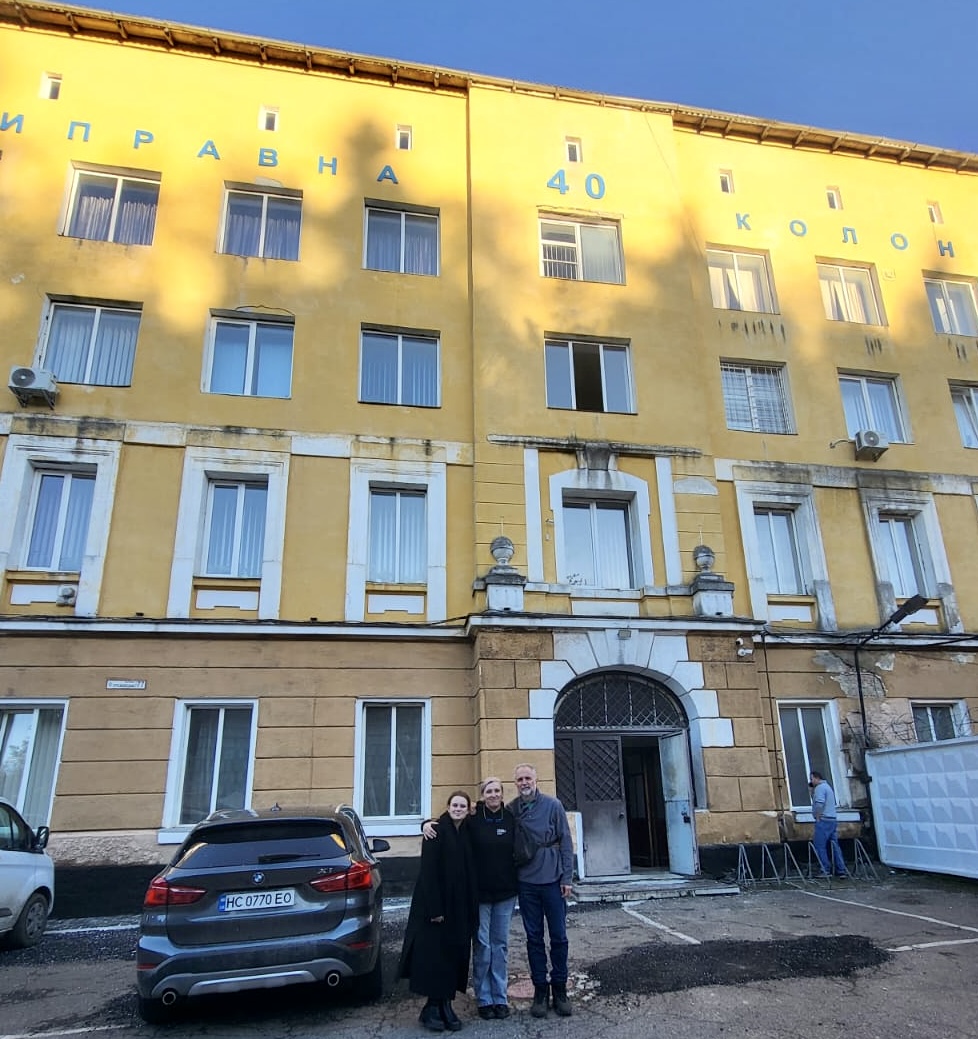
Prison clinics aren’t really what we came to Ukraine to do. We’re not against them — far from it — but they sit outside our usual focus. We said yes to this one to stand alongside a Taiwanese medical team from Mackay Memorial Hospital, who have been flying in twice a year for years to support CMA’s mobile clinics, and whom I’d worked with before. We drove to Drohobych, with my student volunteer Kateryna along for the ride.
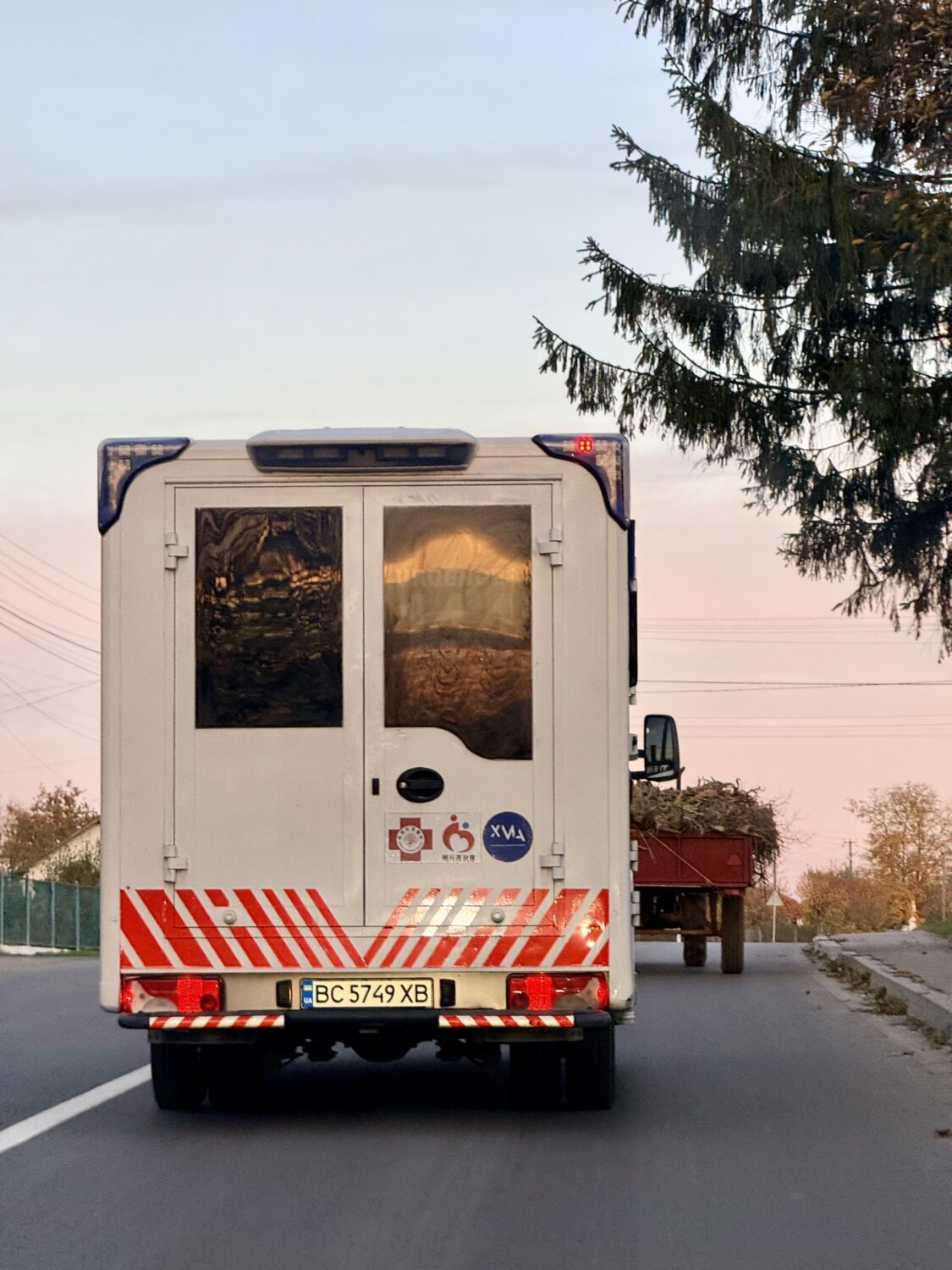
A military chaplain we know well — who also volunteers with the Korosten clinic team — had brought his dental van to join us. A visiting NGO had organised the clinic alongside CMA.
The Chaplain’s Garden
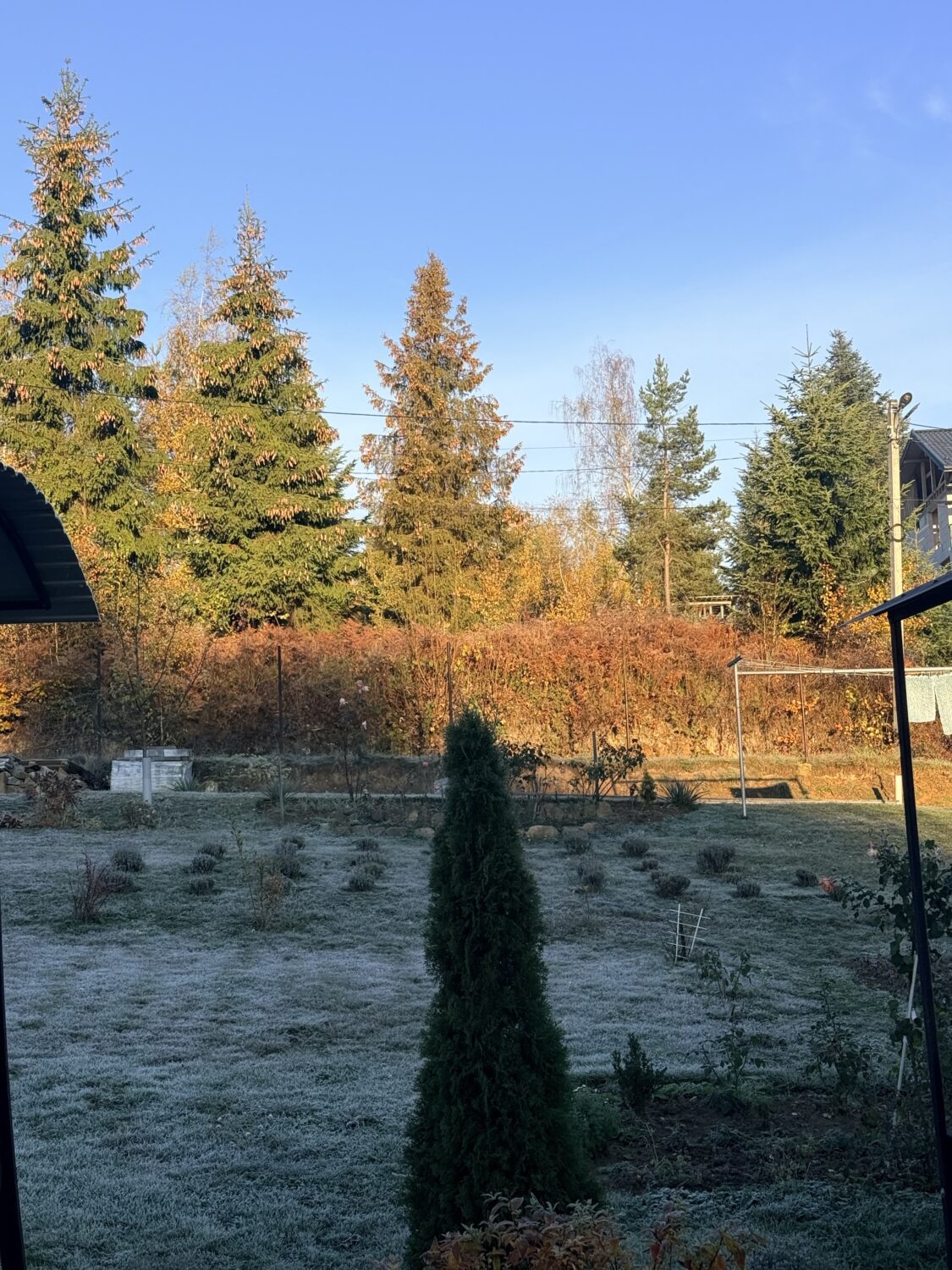
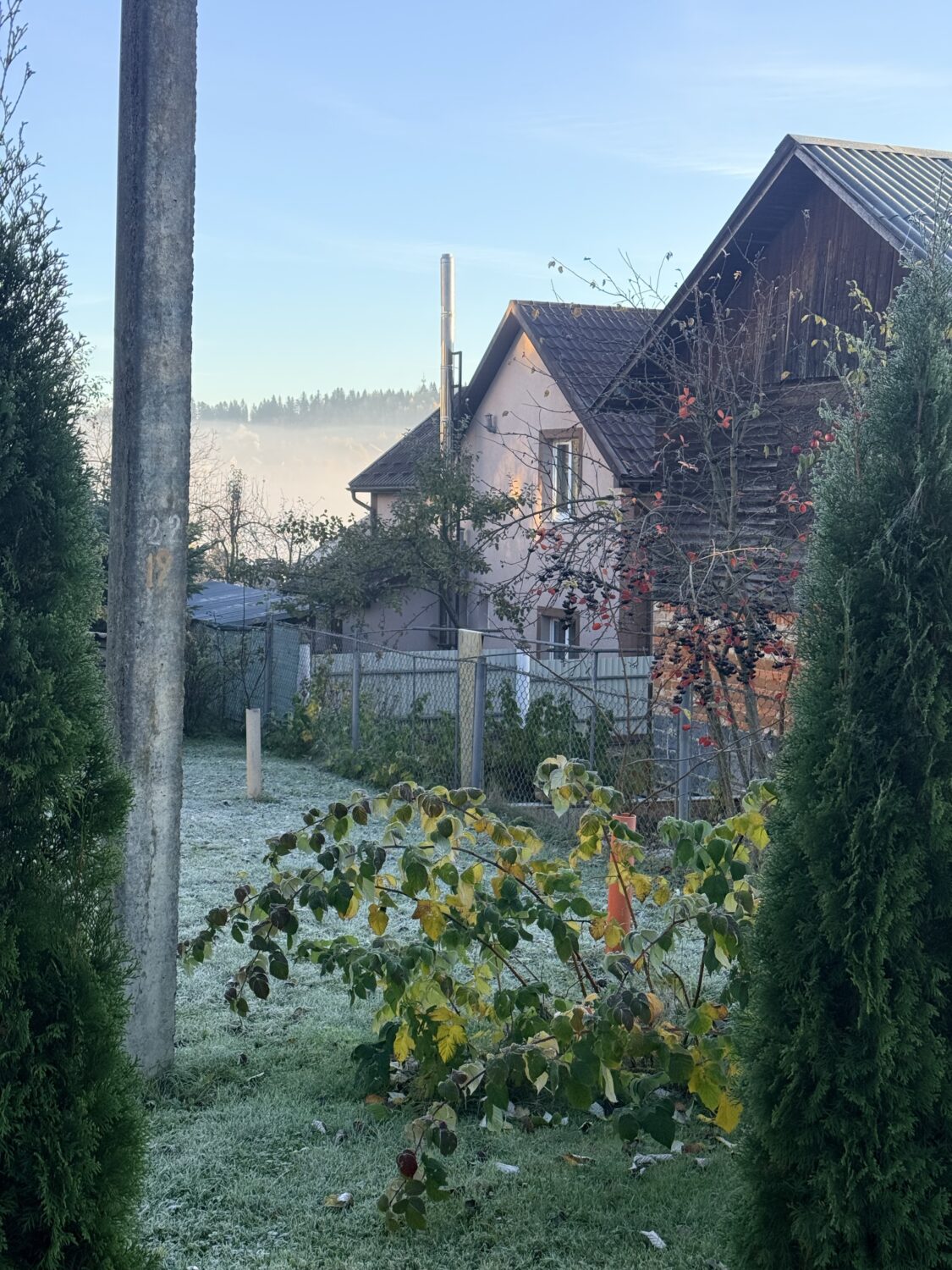
Over dinner with the Taiwanese team, the chaplain asked to see photos of our house. He looked at the garden, and his eyes misted over. He told us how he’d been saving for years toward his own dream — a house with a yard, a half-finished one across the road from where he lived. Then the full-scale invasion came, and like it did for so many people here, everything turned upside down. His son now fights. He works and volunteers to support the army. As his own area grew safer and the east grew more dangerous, prices there climbed out of reach, and his savings went instead toward evacuation vehicles and army units. His area now sits under regular Shahed drone alerts anyway. He just shrugged, the way people here so often do, and gave us a sad smile.
Behind the Walls
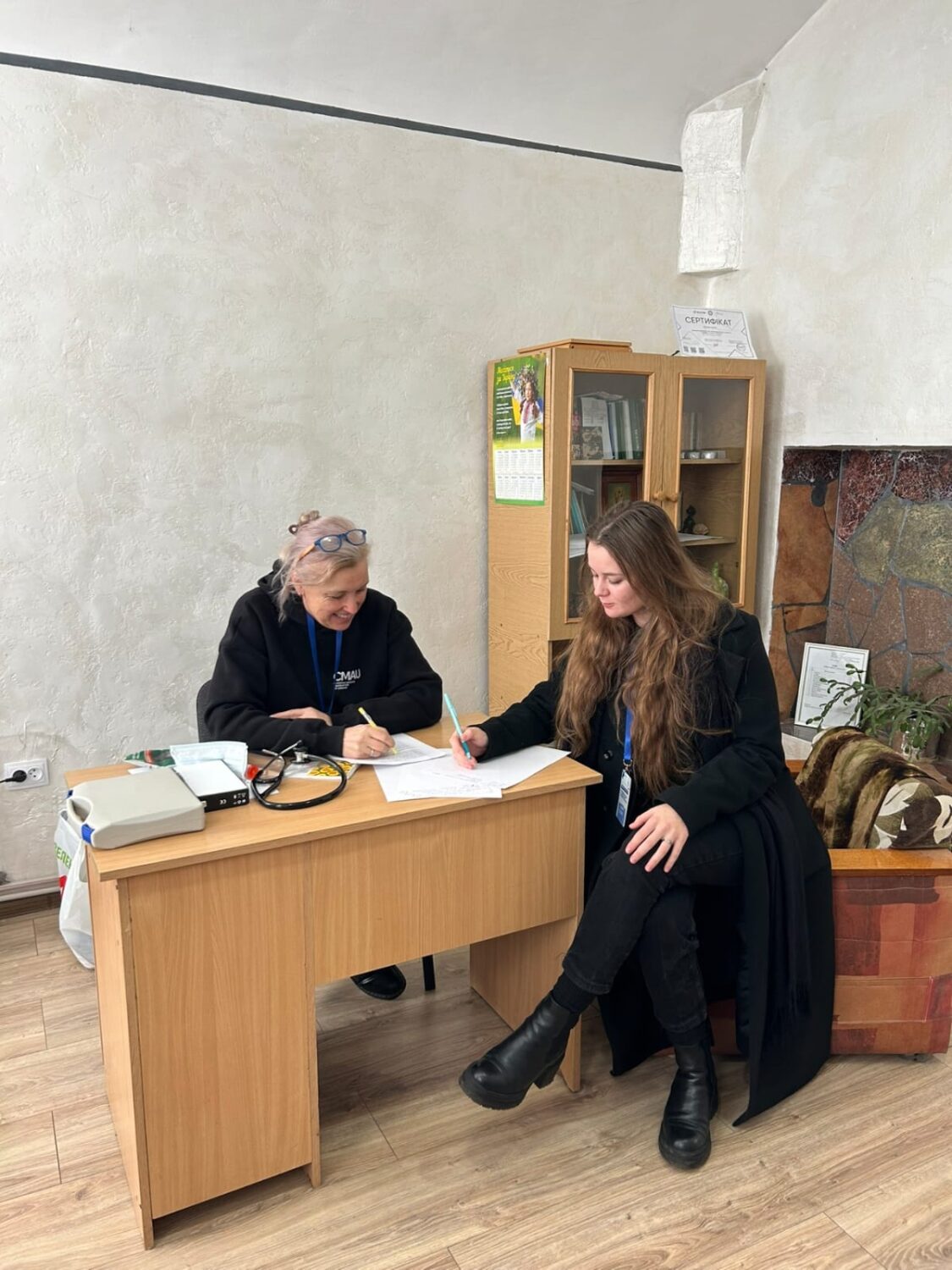
The first day of the clinic was for staff — people who work long, hard hours and rarely find time to see a doctor themselves. Several had lost family members in the war.
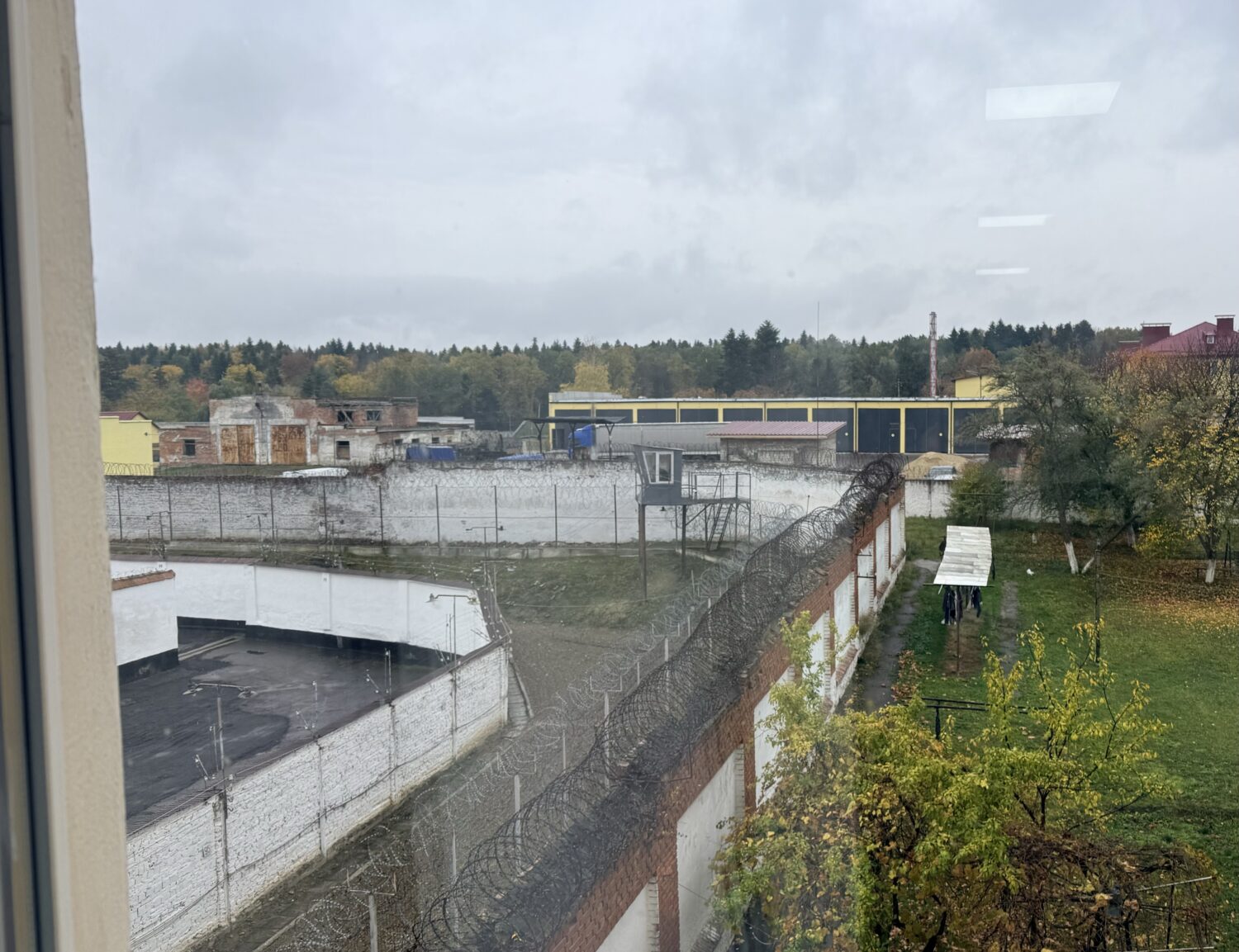
The next two days were for the men held there. The prison itself was once a grand old boarding school, almost castle-like from a distance, bitterly cold and basic up close — the city’s central heating hadn’t even been switched on yet. One man was oddly creepy; another got a little tense in the registration line with Ron. Apart from that, the men we met were mostly ordinary, grateful for the care, and carrying a lot of sadness. The new prison doctor had inherited a broken system and very little trust — many of the men hadn’t raised complaints that had troubled them for years, simply because nobody believed it would help. We did what we could and handed everything over properly to the doctor on our way out.
One man had fought Russia since 2014 and carried the trauma and head injuries to prove it. His entire family had been killed. By the time the full-scale invasion came in 2022, his mental health had already given way, and he deserted — which is how he ended up in prison. We started him on antidepressants and spent some time with him. At the end, he thanked me, for the care, for the kindness, and for the humanity.
A Young Man at the Front Desk
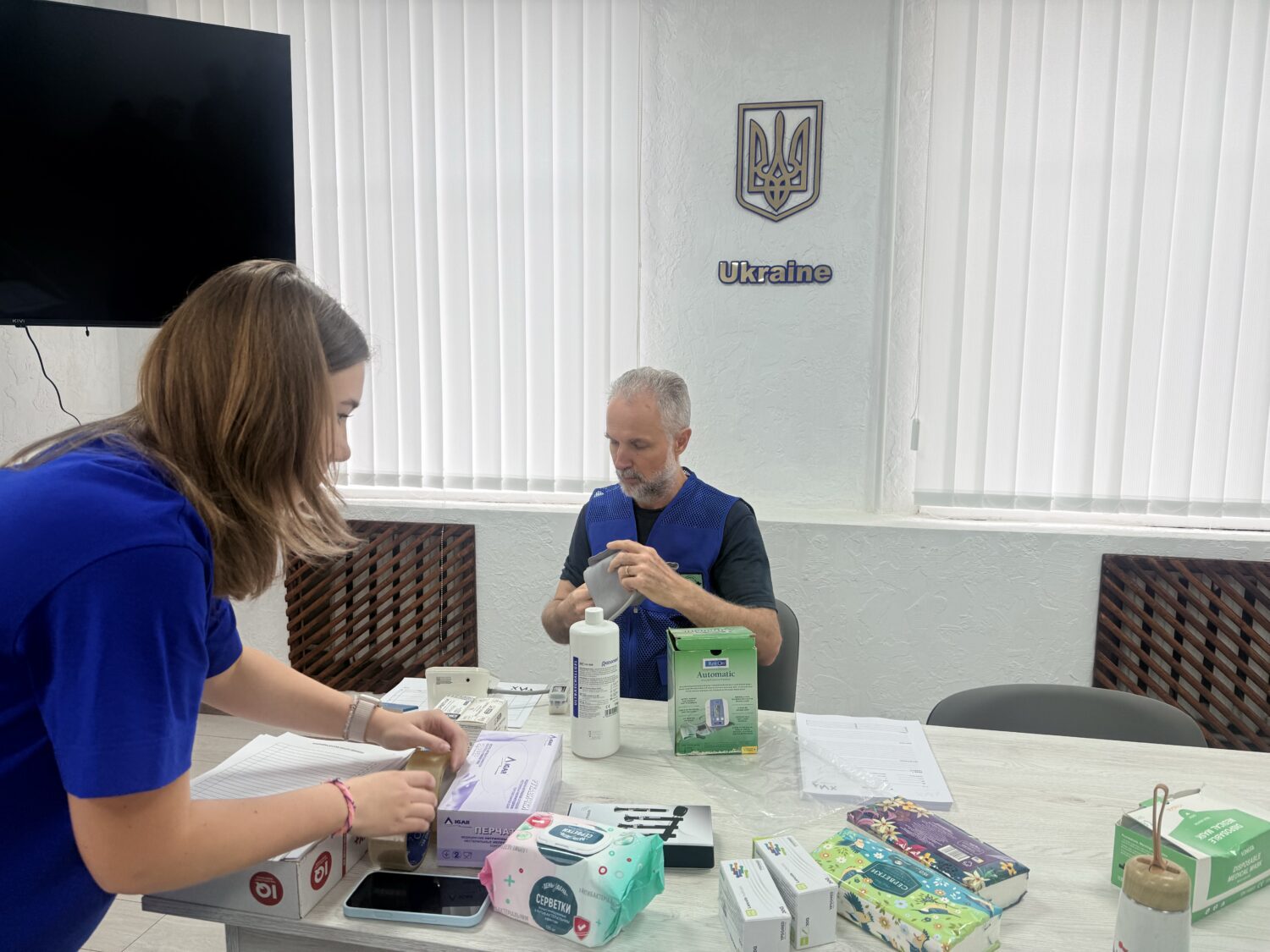
A young prisoner helped our team run admissions, filling in patient details while Ron took blood pressures beside him and Lisa, the Taiwanese nurse, ran basic bloods. Ron was deeply grateful for Lisa’s steady presence. In his words: “Her lovely character helped her to gently and patiently guide, teach and influence the rest of us, though us males aren’t always the quickest learners, especially when it comes to paperwork.”
After a day and a half working side by side, mostly in sign language and charades given the limited shared English, the young man opened up a little. He’d once volunteered as a medical evacuation worker, moving with the army, and had even helped during Ukraine’s push into Russia’s Kursk region. When Ron shook his hand and thanked him, his face said everything. It clearly meant something, being trusted with that small job alongside our team. The goodbye was hard to put into words, and it’s one Ron won’t forget.
We didn’t ask what any of these men had done to end up there. These moments are a good reminder for all of us: treat people with dignity, even when it isn’t easy, and it isn’t always easy, especially with the prickliest characters we meet. Often those prickles come from a life those men never chose. A bit of love has a way of softening them, and handing some humanity back.
On the Drive Home
Driving back with the students, one young volunteer mentioned her father had wanted to serve and defend the country outright but couldn’t, after a heart attack, so he took on a role supporting the military from a still-dangerous frontline area instead. He’d been an ordinary tradesman, she said, never prepared for what he’s now seen. When he comes home on breaks, she watches the toll it’s taken; he repeats himself, needs to talk through the same things again and again. It’s changed the whole family’s rhythm. She told us this in the middle of a conversation about why mental health support matters so much here. A small reminder that the war reaches into every household, in ways that don’t show up in any casualty count.
Beauty in the Carpathians
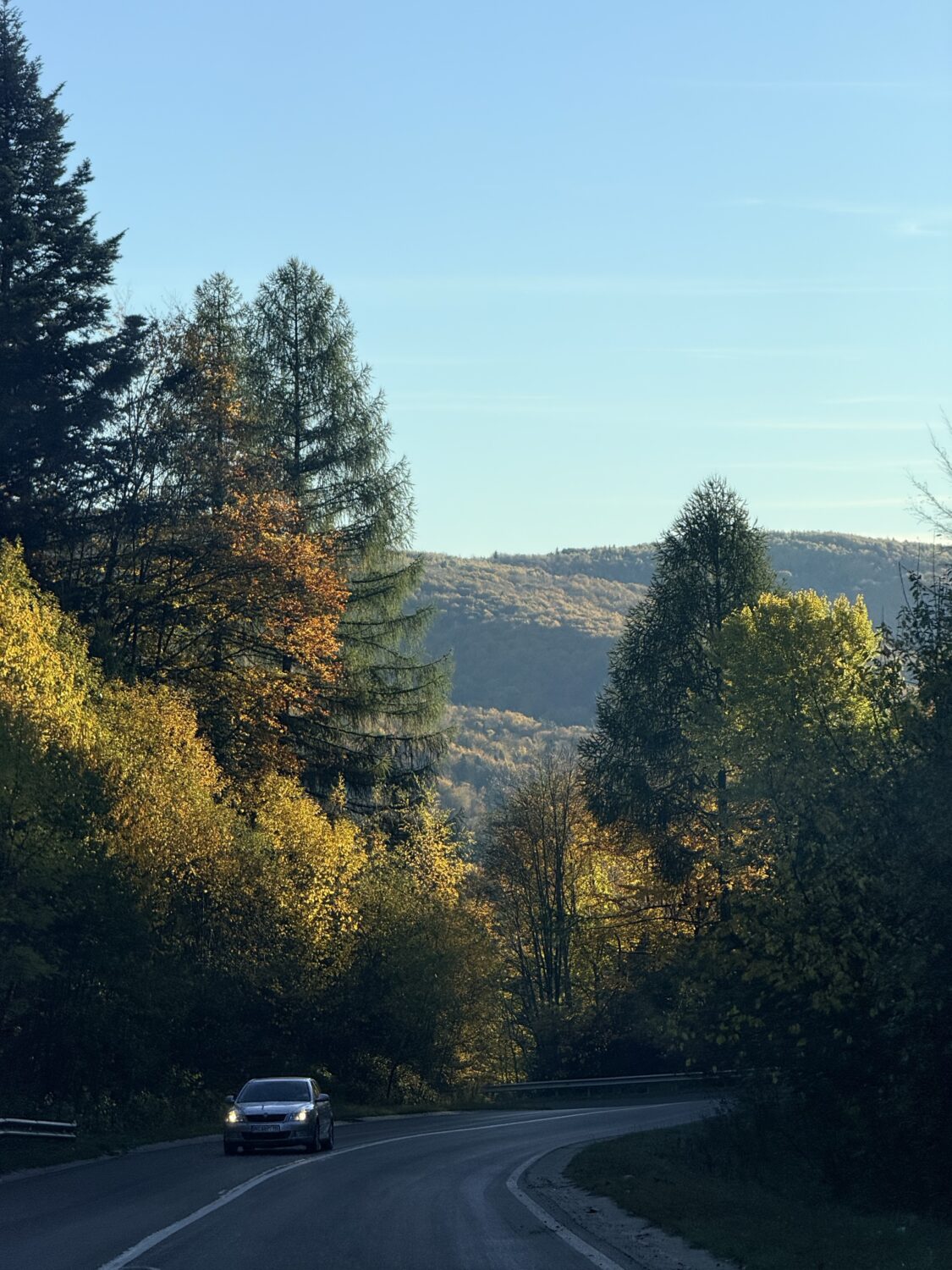
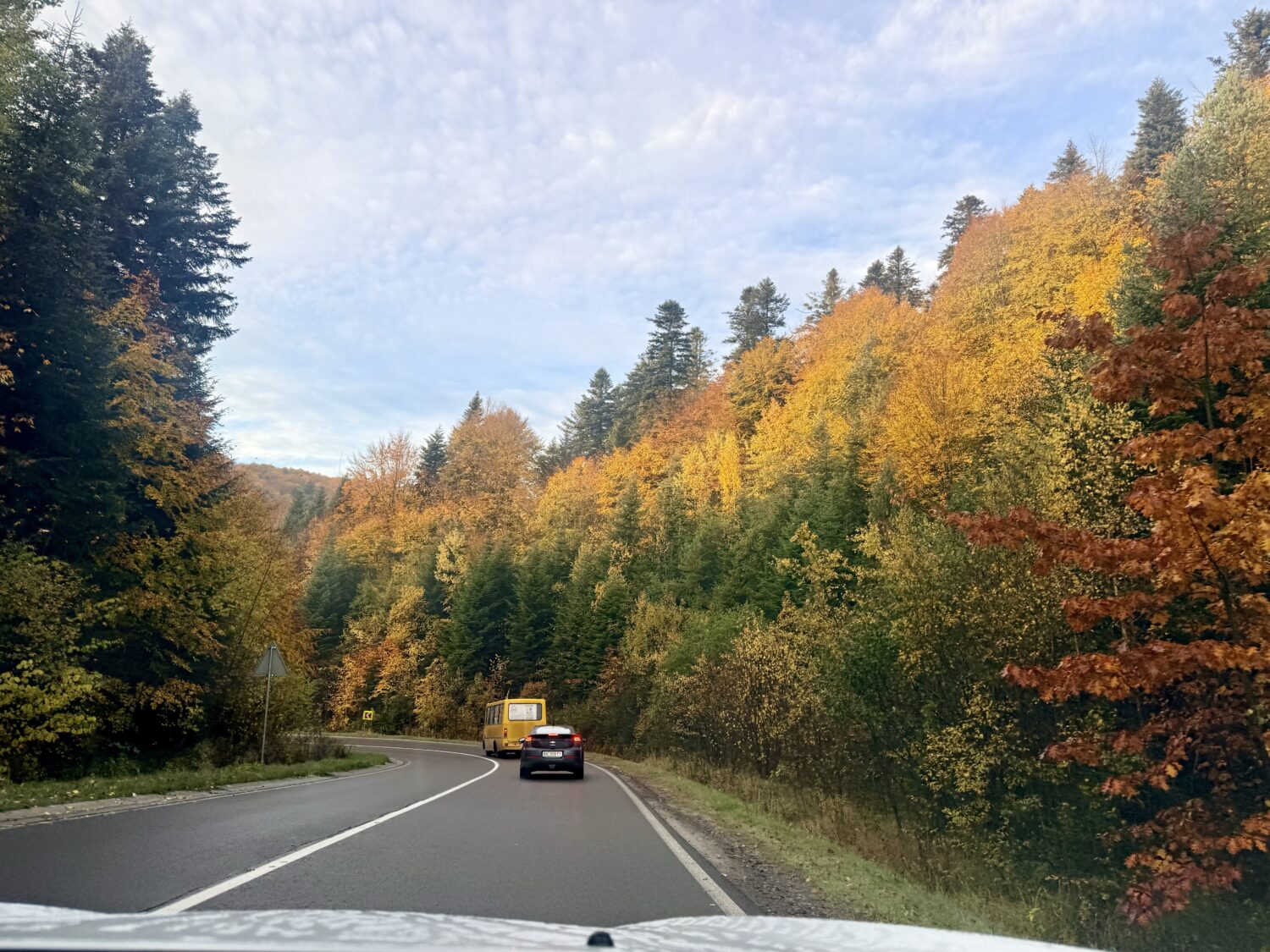
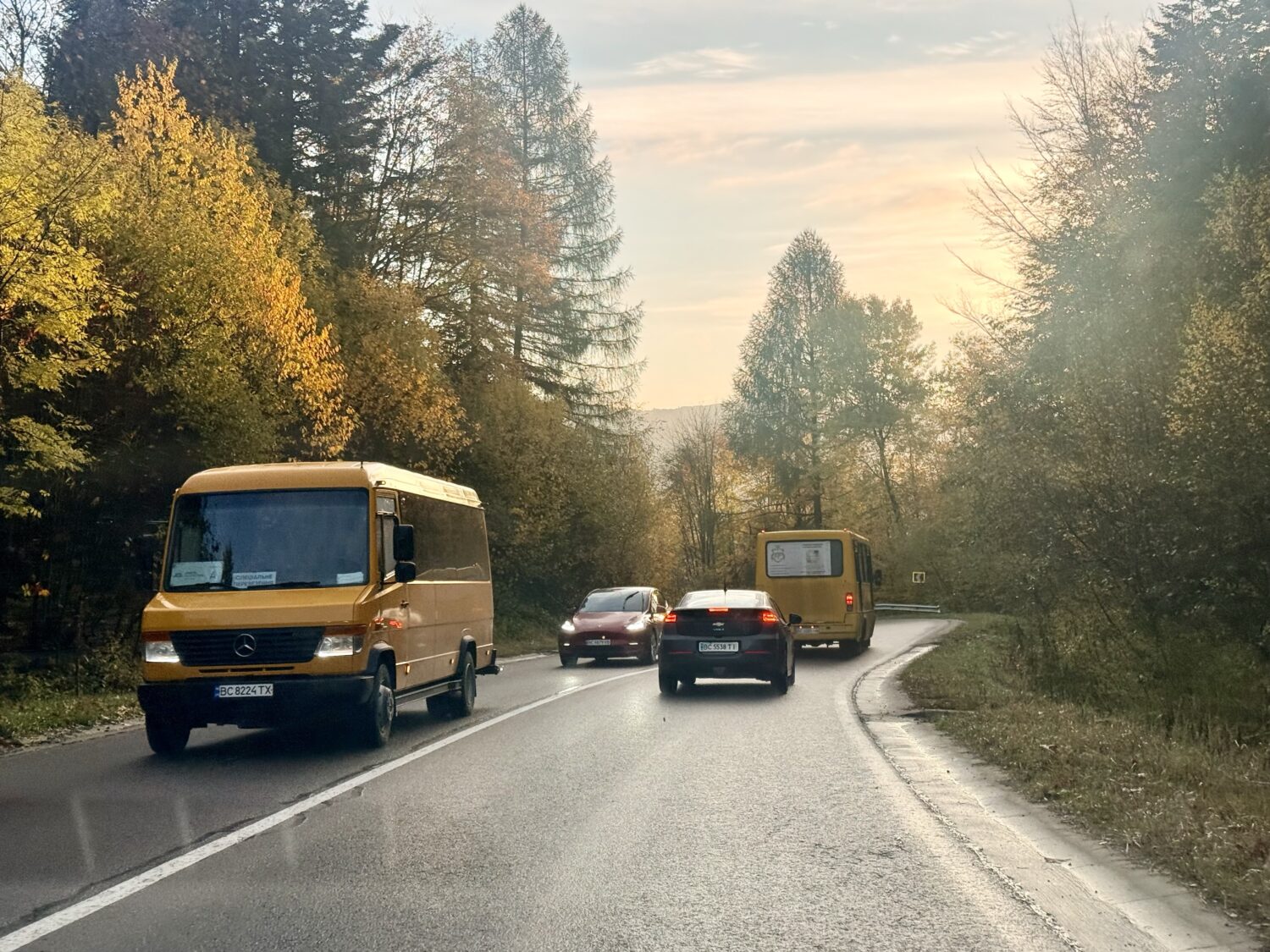
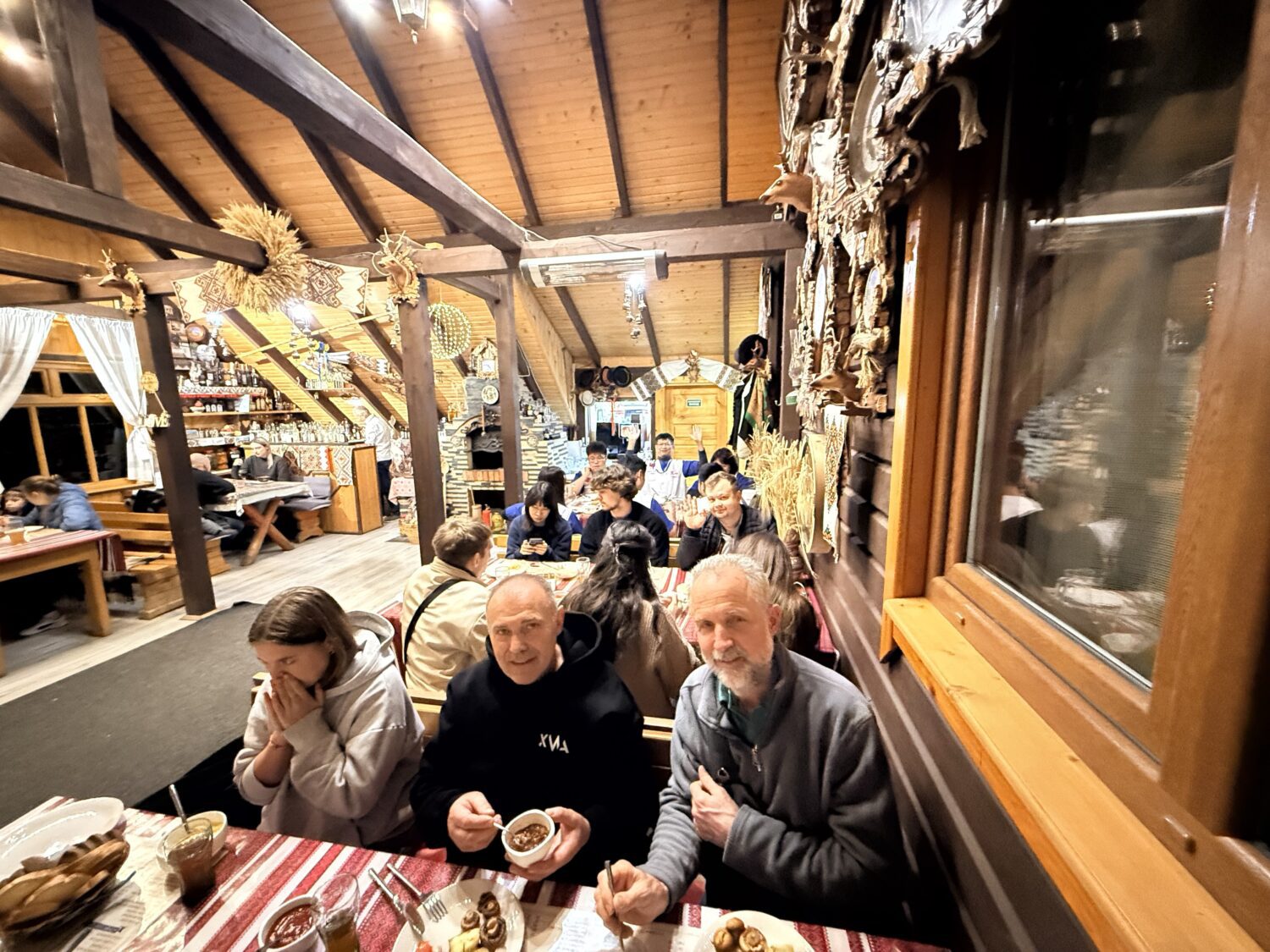
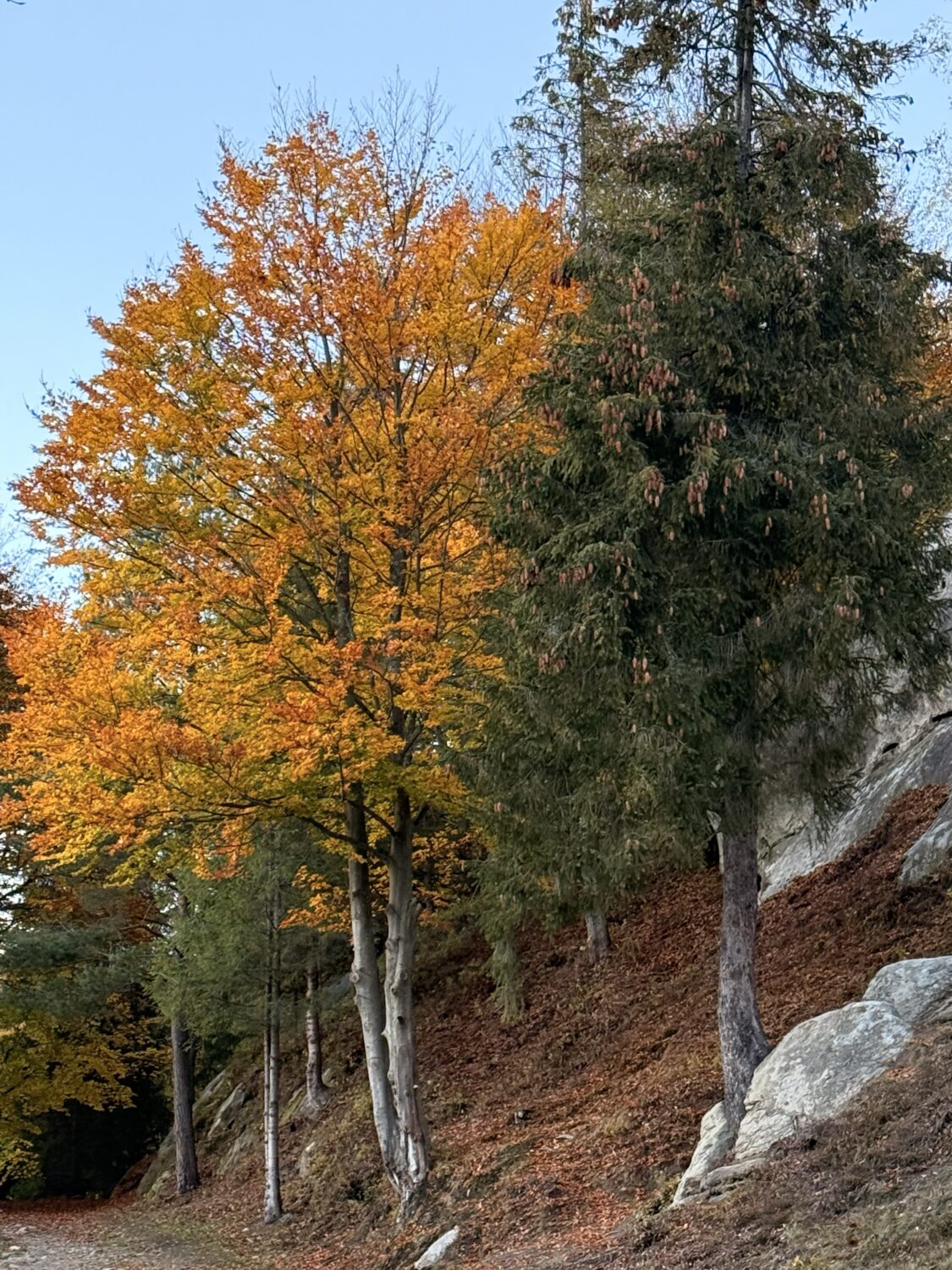
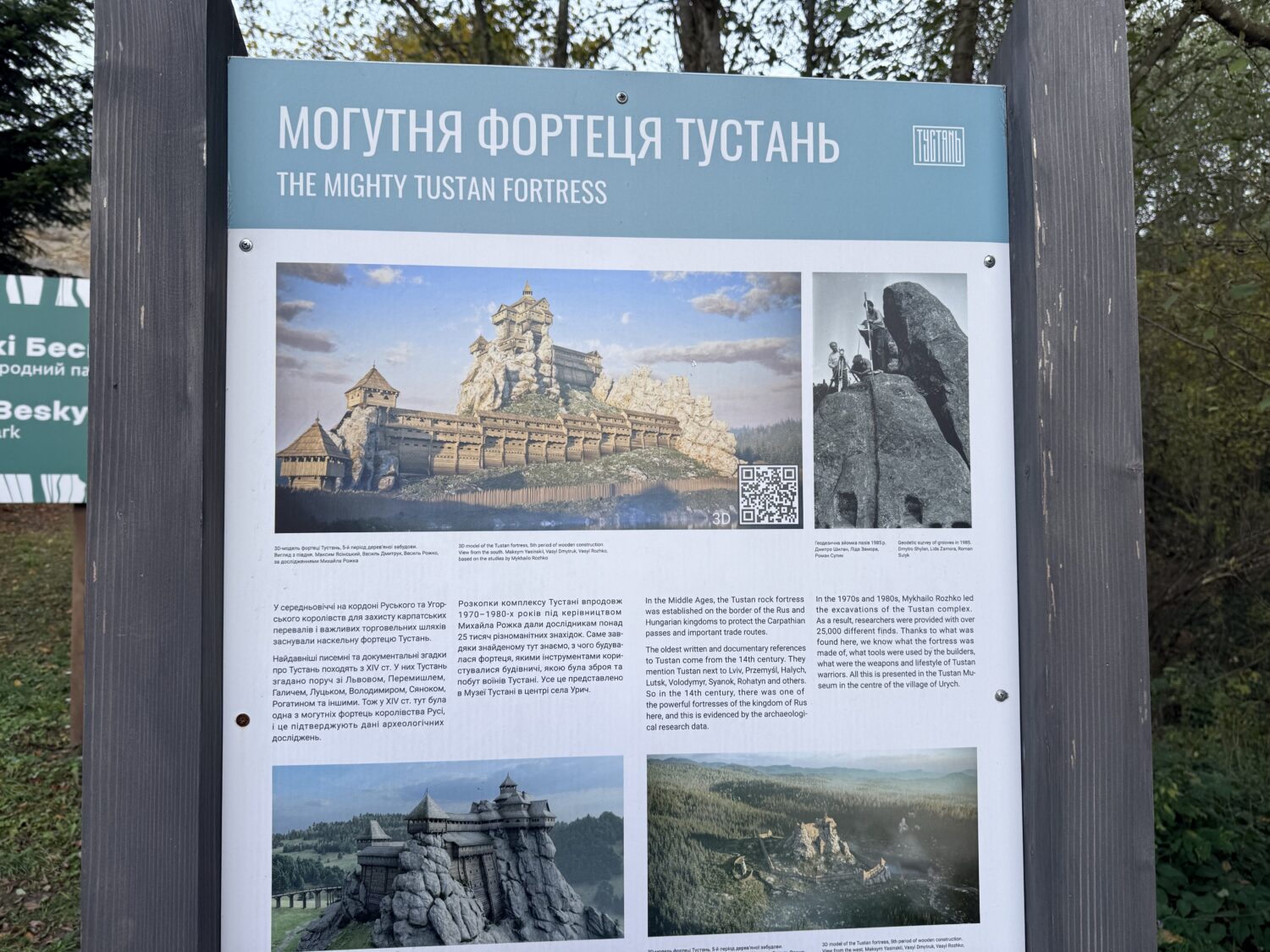
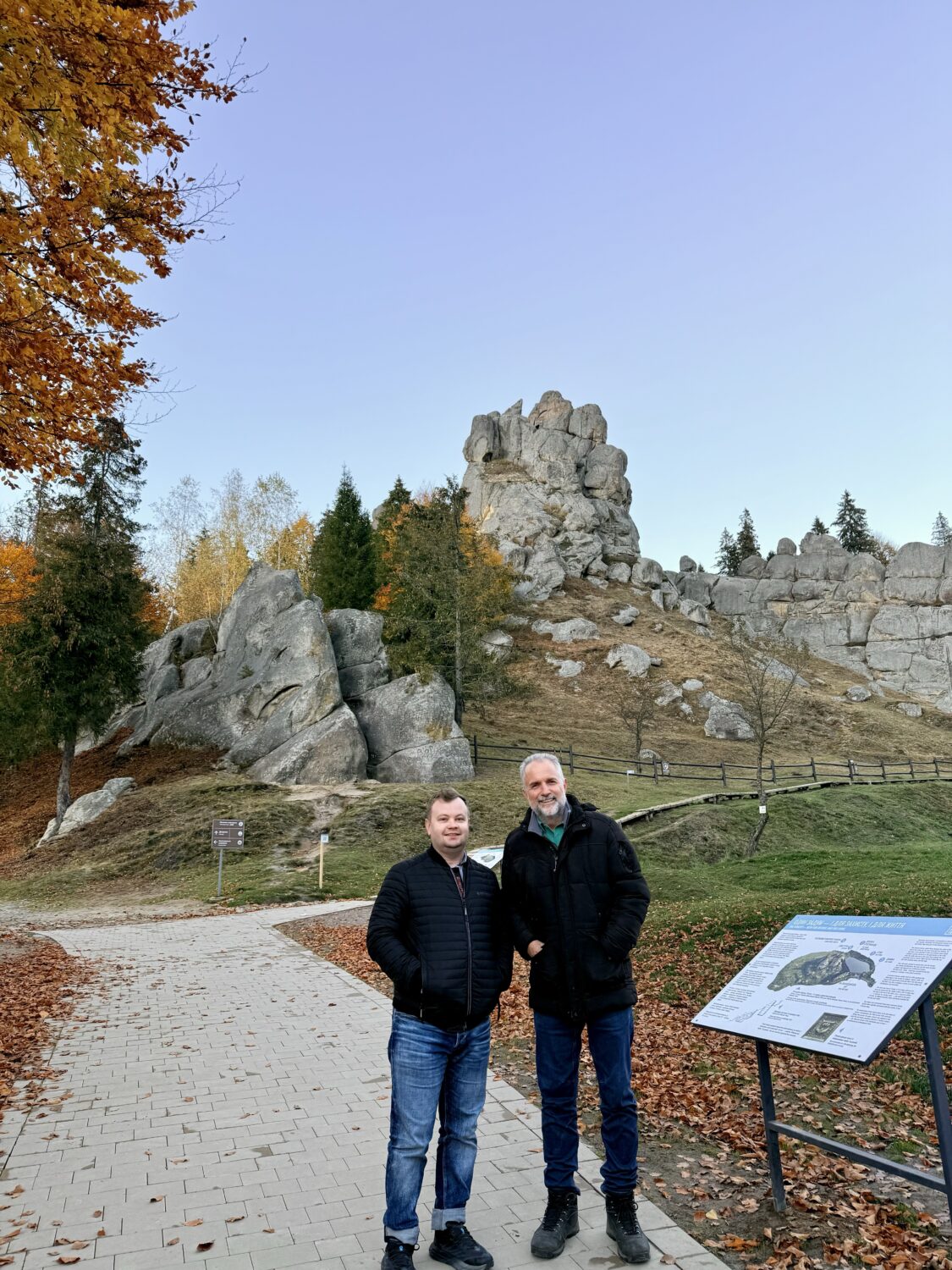
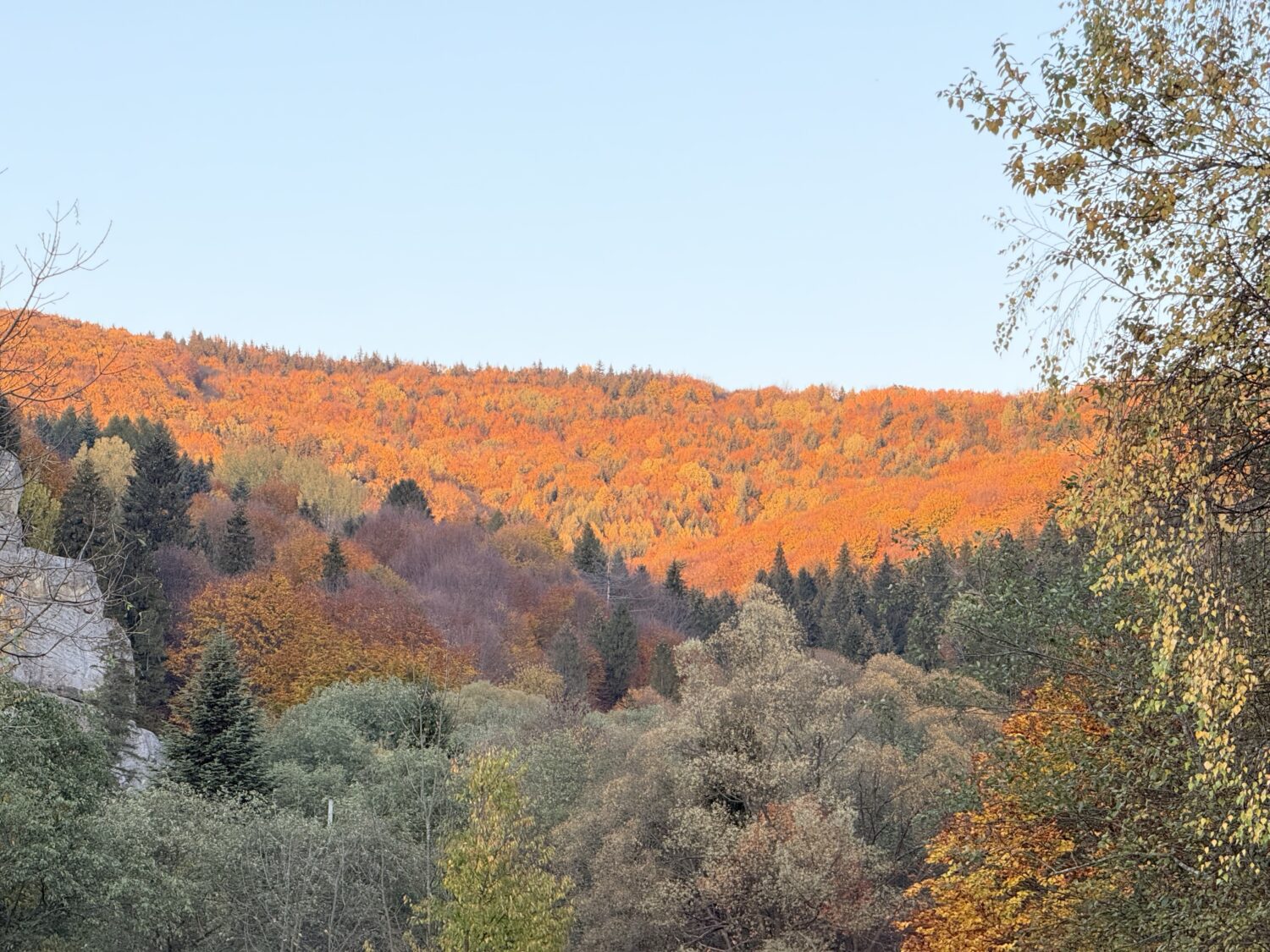
The prison sits in a beautiful mountain region, traditionally known for rest, relaxation, and mineral spring therapies, with autumn colours everywhere you looked. One evening the NGO took us to a traditional Carpathian-style barbecue café near Tustan, an extraordinary archaeological site worth a look yourself. There is so much beauty and history packed into this country, and it is a genuine tragedy that most people come here now to help in a war, not to be tourists.
We had dinner with the Taiwanese team before they flew out the next day, grateful, as always, for people who keep showing up, year after year, for a country that isn’t theirs.
How You Can Help
None of this happens on its own: the battery system keeping a Ukrainian household warm through a long winter of outages, the parcels of donated ultrasound machines and loupes finding their way to the people who need them, the clinics we can say yes to because the basics are already covered. OPT runs entirely on volunteers, so when you give, your donation goes to the work itself, not to overheads. If you would like to support what we are doing, or point your gift toward something specific— we will make sure it gets where you want it to go.
